Spring Harvest Revives Local Food Supply Chains As Seasonal Farmers Markets Reopen
Regional growers and independent chefs prepare for seasonal shifts as fresh produce hits neighborhood stalls.
By Foodie Pundit Newsroom - Published - Updated - Section: Chain Watch
Key points
- Spring crop harvests mark a critical revenue transition for small scale growers bypassing wholesale distribution.
- Independent restaurants leverage early produce yields to refresh seasonal menus and justify premium pricing.
- Rising fuel and input costs are causing modest price adjustments at local produce stalls this season.
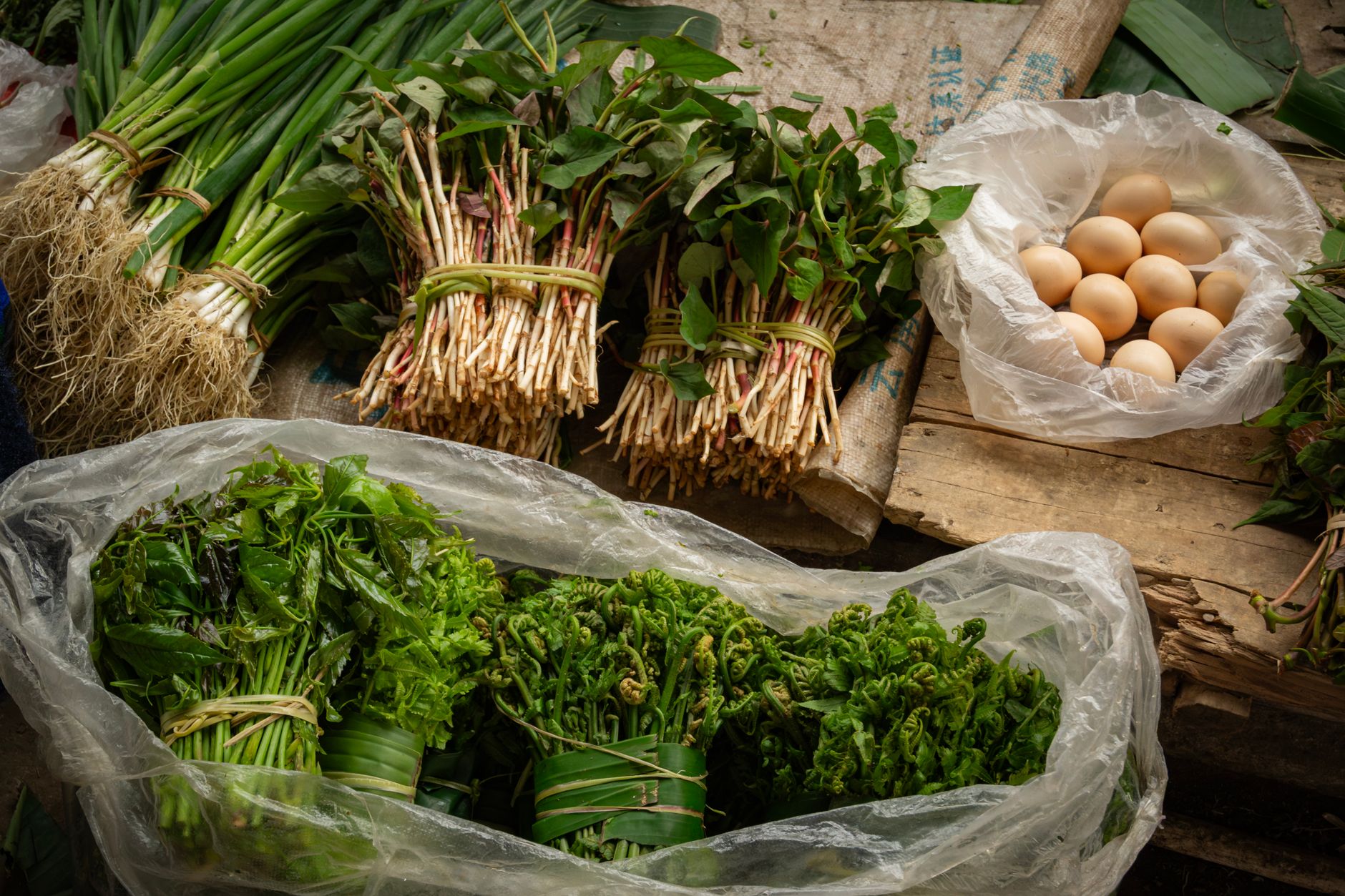
The arrival of spring marks a critical transition period for the domestic agricultural supply chain and direct to consumer food markets. Across the nation, regional growers are opening their seasonal stalls, offering a fresh influx of cold hardy greens, root vegetables, and early season specialty crops. This yearly shift provides a much needed boost to local farm economies after months of low winter yield.
NBC News reports that direct agricultural marketing, including traditional farmers markets and community supported agriculture memberships, continues to serve as an essential financial bridge for small scale growers. By selling directly to neighborhood buyers, growers bypass the lengthy wholesale distribution chains that often eat into profit margins. The seasonal influx of fresh produce also offers retail consumers an alternative to industrial grocery chains, which face ongoing logistical pressures and rising freight costs.
For specialty growers, early spring is one of the most operationally demanding times of the year. Farms must carefully balance soil preparation, greenhouse germination, and field planting schedules to ensure a steady supply of crops throughout the warmer months. Early harvests typically focus on items that thrive in cooler temperatures, such as spinach, radishes, asparagus, and snap peas.
The reopening of regional farmers markets directly influences menu development across the independent restaurant sector. High end dining establishments and farm to table eateries rely heavily on early spring harvests to revamp winter menus that typically center on heavy starches and preserved items. Chef driven kitchens actively seek out micro local growers to secure unique produce varieties that are unavailable through broadline commercial distributors.
Procuring ingredients from regional markets allows culinary directors to feature hyper seasonal specials that command premium price points. However, this sourcing model also introduces supply uncertainty that requires significant kitchen operational flexibility. Weather fluctuations in early spring can unexpectedly shorten or delay crop availability, forcing chefs to pivot menu offerings with very little advance notice.
Despite these supply fluctuations, strong relationships between restaurant operators and independent farmers remain a key competitive advantage. Commercial kitchens that establish early season purchasing agreements can secure preferential pricing and steady access to limited harvest yields. This collaborative ecosystem creates a vital secondary revenue stream for farm businesses during the initial weeks of the market season.
ECONOMIC REALITIES FOR INDEPENDENT GROWERS
Running a direct to consumer farm stall involves substantial administrative overhead and labor expenditures. Farmers must factor in the expenses of transport fuel, market stall fees, specialized packaging, and staffing for weekend operations. While gross margins at local markets can appear higher than wholesale transactions, these secondary labor and logisitcal costs can quickly erode net profits if volume targets are missed.
Inflationary pressures across fuel, organic fertilizers, and packaging supplies have forced many small farms to adjust retail pricing upwards this season. Consumers visiting local stalls will likely observe modest price increases on premium spring staples compared to previous years. Farm operators report that clear communication regarding input costs helps maintain customer loyalty despite these elevated retail prices.
Additionally, micro climate volatility presents an ongoing financial risk for small agricultural operations. Unseasonable frosts or excessive spring rainfall can disrupt harvest timelines and diminish total crop output. Diversifying direct market channels, such as combining market stalls with restaurant sales and subscription produce boxes, helps farm owners mitigate the financial shock of unexpected weather events.
CONSUMER DEMAND SHIFTS TOWARD LOCAL SOURCING
Consumer interest in origin traceable produce continues to grow as shoppers prioritize fresh, low intervention foods. The experiential aspect of shopping at outdoor weekend markets also drives consistent foot traffic, making these venues valuable community economic hubs. Beyond fresh produce, local markets increasingly host artisanal food producers, bakery operations, and small batch beverage makers, creating a broader retail ecosystem.
The integration of digital payment processing and electronic benefit transfer systems at farmers markets has expanded the consumer base significantly. Government food assistance programs accepted at local stalls allow lower income households to access high quality, regional produce while keeping federal funds circulating within the local farm economy. This dual economic and social benefit strengthens overall community resilience.
As the spring season progresses, market managers anticipate elevated foot traffic and increased overall spend per transaction. Farm operators who effectively market their seasonal offerings and maintain consistent product quality are well positioned to capture this demand. The early weeks of the spring harvest set the operational and financial baseline for the entire summer growing season.
For retail consumers and food enthusiasts, the spring harvest represents an opportunity to access higher quality, nutrient dense produce at peak freshness. Sourcing fruits and vegetables directly from neighborhood markets ensures that a greater percentage of your food spend directly supports local agricultural families and regional land stewardship. Consumers should expect slightly higher price tags this year, but the superior flavor, longer shelf life, and traceability of local produce often offset the incremental cost difference.
For restaurant operators and commercial buyers, the return of spring markets demands agile menu planning and proactive supplier communication. Kitchen managers should establish early contact with vendor partners to map out seasonal produce needs and secure consistent order volume. Adapting daily specials around unpredictable early season yields allows culinary teams to leverage the marketing power of fresh, locally grown ingredients while effectively managing food cost percentages.
Sources and methodology
Reported from the public datasets below.
More from the Foodie Pundit Newsroom
- Fresh Seafood to Drop Anchor in South Florida With a Cuban Twist
- How the Loud Budgeting Trend Is Reshaping Restaurant Sales and Service
- Regional Farm Markets Drive Fresh Economic Vitality Across New York Food Supply Chains
- Fast Food Chains Launch Deep Discount Campaigns To Win Back Inflation Weary Diners
- Generation Z Reconfigures Food Market Around Global Snacks and Sustainable Sourcing