Regional Farm Markets Drive Fresh Economic Vitality Across New York Food Supply Chains
Regional food networks in New York are reshaping farm economics and consumer spending as shoppers pivot toward fresh, direct-to-consumer agricultural hubs.
By Foodie Pundit Newsroom - Published - Updated - Section: Chain Watch
Key points
- Direct-to-consumer markets allow regional farmers to capture significantly higher profit margins than conventional wholesale grocery chains.
- Short supply loops protect local agricultural networks from national trucking disruptions and high freight fuel surcharges.
- Municipal markets serve as low-cost business incubators for emerging artisanal food producers and boost foot traffic for nearby retail downtowns.
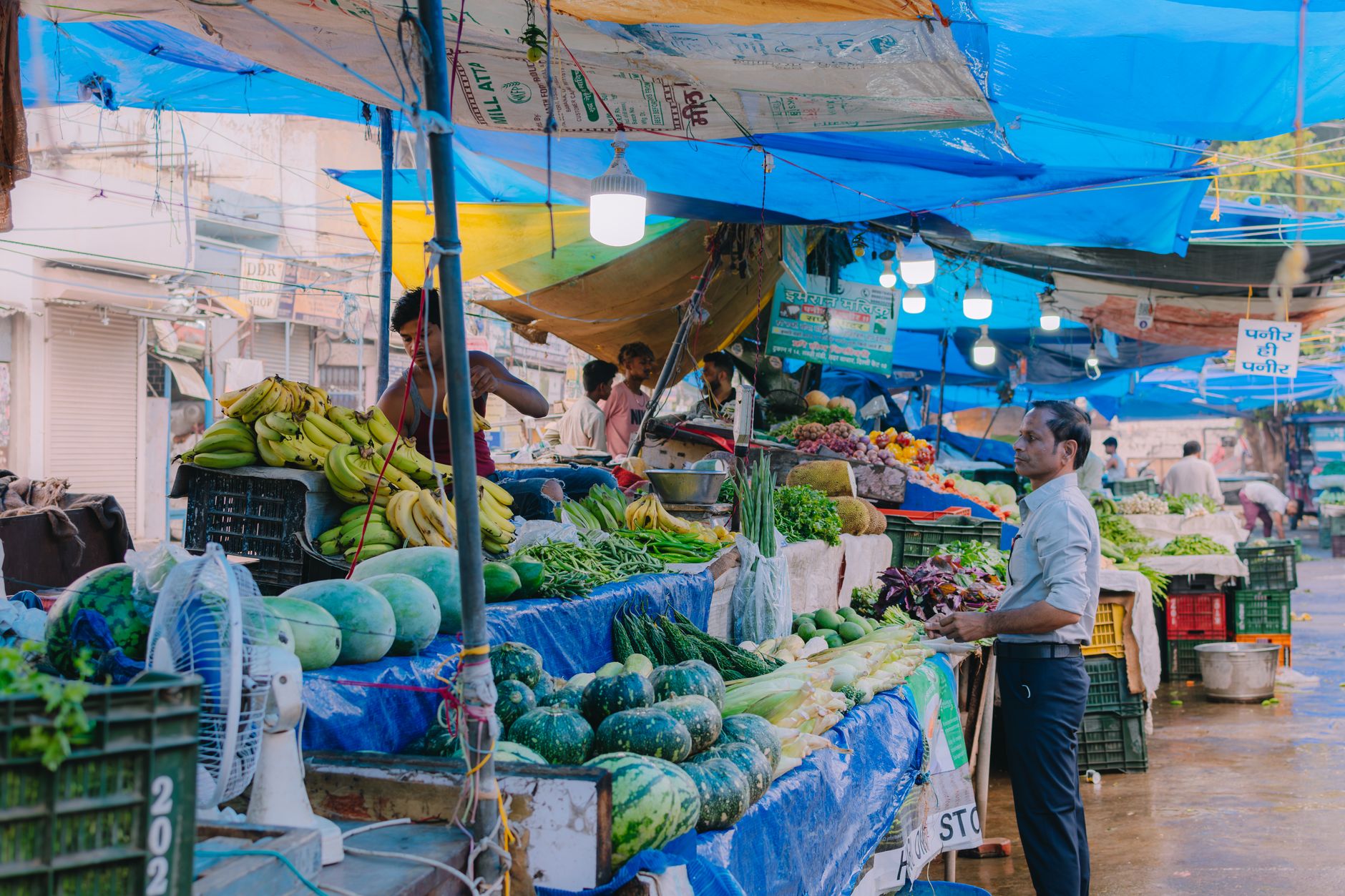
The regional food supply chain across New York state is experiencing a noticeable pivot as consumer preferences lean heavily into hyper-local purchasing. A comprehensive survey of agricultural commerce across Westchester, Rockland, and Dutchess counties reveals that outdoor direct-to-consumer bazaars are drawing record turnout this season. According to recent reporting from Lohud.com, consumers are increasingly bypassing conventional retail aisles in favor of open-air community hubs. These venues offer direct access to small-scale growers, heritage livestock producers, and specialized food artisans operating within a fifty-mile radius.
This movement represents a structural realignment in how regional food dollars are distributed. By establishing direct contact between the cultivator and the household cook, these regional trading hubs cut out traditional broker networks, cold-storage logistics firms, and national freight carriers. As transportation costs remain volatile and industrial grocery prices reflect corporate overhead, regional producer collectives are capturing market share. The economic ripple effects extend far beyond individual farms, helping preserve historical open spaces and generating resilient cash flows for independent agricultural enterprises.
For small and mid-sized farm operators, direct sales represent one of the few high-margin avenues remaining in a consolidated food system. In standard wholesale supply chains, a grower might retain only a small fraction of every dollar spent by the end consumer at a retail counter. By selling directly through regional vendor stalls, farmers retain nearly the full retail price, minus modest site stall fees and transport costs. This margin differential allows family-run operations to absorb fluctuations in seed costs, labor expenditures, and climate-related crop losses.
The diversification of product offerings at these regional hubs has also altered consumer spending patterns. Beyond row-crop vegetables and orchard fruit, modern regional venues feature high-value artisanal products such as raw-milk cheeses, small-batch pasture-raised poultry, fermented goods, and heritage grain breads. Consumers are willing to allocate a larger share of their discretionary food budgets to these items because of superior freshness and transparency. Vendors report that weekend foot traffic frequently translates into steady weekly recurring revenue, stabilizing farm operations throughout the primary growing season.
The structural advantages of local direct distribution become particularly visible during periods of national logistics disruption. When fuel costs surge or national trucking routes experience bottlenecks, regional producers remain relatively insulated due to localized transport loops. Fresh produce harvested in the Hudson Valley during the early morning hours can reach consumer baskets by mid-morning, bypassing weeks of cold storage and thousands of miles of cross-country transit. This rapid turnaround minimizes spoilage and extends the shelf life of produce inside consumer homes.
Furthermore, direct market channels foster operational agility that industrial farms cannot replicate. Small-scale growers can adjust their crop plans dynamically based on direct feedback from weekly visitors. If specialized heirloom tomatoes or specific culinary herbs see heightened demand, farmers can adjust plantings for subsequent micro-seasons. This tight feedback loop between buyer demand and agricultural production reduces harvest waste and maximizes farm profitability while providing municipal shoppers with specialized culinary ingredients unavailable through commercial distribution channels.
Municipalities across the region are actively incentivizing the establishment of recurring outdoor trade zones in downtown corridors and public parks. Local business associations observe that vibrant weekend market operations generate positive commercial spillovers for surrounding brick-and-mortar storefronts. Visitors who arrive to purchase regional farm goods routinely patronize nearby cafes, retail boutiques, and independent service providers, multiplying the economic impact of the initial agricultural transaction.
These public gathering spaces also serve as crucial incubators for emerging culinary entrepreneurs. Launching a packaged food product through commercial retail brokerages requires immense upfront capital, distribution contracts, and slotting fees. In contrast, regional producer markets allow small-batch sauce makers, bakeries, and preserve producers to test formulations, establish brand equity, and build customer loyalty with minimal barrier to entry. Many successful regional food brands trace their initial commercial viability directly to a simple market table operated in a suburban train station parking lot or village green.
Despite strong consumer interest, operating within direct agricultural markets requires significant labor discipline from small farm teams. Preparing inventory for weekend trade involves late-night harvesting, careful post-harvest washing, temperature-controlled transit, and dedicated staffing away from farm field duties. Weather dependency remains an ongoing risk, as severe summer heat or unexpected heavy rain can sharply curtail pedestrian turnout on critical trading days.
Additionally, managing cash flow across seasonal cycles presents an ongoing operational challenge for regional vendors. While summer and early autumn bring peak harvest volume and high foot traffic, farm expenses continue year-round for equipment maintenance, land leases, and spring seed procurement. To smooth out seasonal income fluctuations, many operators are extending their trading calendars into late autumn through indoor winter spaces, while expanding community-supported agriculture subscriptions that secure upfront capital before the initial planting season begins.
For retail consumers and home cooks, sourcing ingredients directly through regional producer venues fundamentally changes household food economics. Buying directly from growers ensures access to nutrient-dense produce harvested at peak ripeness rather than items selected for long-distance transport stability. While unit prices on certain specialized goods may exceed baseline supermarket sales, the extended shelf life of fresh-harvested produce often reduces household food waste, balancing out overall kitchen spending.
Navigating these markets effectively requires a slight shift in meal-planning strategy. Rather than building a weekly menu around static grocery lists, experienced shoppers adapt their recipes based on seasonal availability and daily harvest yields. Building relationships with regional farm stands provides valuable cooking insights, as growers often share advice on utilizing unique crop varieties and maximizing ingredient value. By shifting a portion of routine grocery spending toward local vendors, households directly support regional land conservation while securing superior culinary quality.
Sources and methodology
Reported from the public datasets below.
- Federal Reserve Economic Data (FRED) - Food services and drinking places series
- Bureau of Labor Statistics (BLS) - Consumer Price Index, food away from home
- U.S. Census Bureau - Monthly Retail Trade, food services
- Bureau of Labor Statistics (BLS) - Consumer Price Index, food away from home
- Federal Reserve Economic Data (FRED) - Food services and drinking places series
- U.S. Census Bureau - Monthly Retail Trade, food services
More from the Foodie Pundit Newsroom
- Fast Food Chains Launch Deep Discount Campaigns To Win Back Inflation Weary Diners
- Generation Z Reconfigures Food Market Around Global Snacks and Sustainable Sourcing
- Restaurant Chains Launch Aggressive Discount Wars to Win Back Budget-Conscious Diners
- How London Street Markets Are Reshaping the Urban Grocery Economy
- How Commercial Bakeries Are Engineering the Next Generation of Premium Desserts