Spring Produce Returns As Local Supply Chains Shift Harvest Economics
Regional harvests return as commercial kitchens and consumers leverage seasonal local produce to navigate shifting supply chain costs.
By Foodie Pundit Newsroom - Published - Updated - Section: Chain Watch
Key points
- Early spring harvests signal the restart of regional open field agriculture and local supply networks.
- Direct to consumer purchasing helps small farms generate early cash flow while reducing transit expenses.
- Commercial food buyers rely on seasonal regional sourcing to mitigate freight risks and menu inflation.
The arrival of spring marks a critical transitional phase for the agricultural supply chain and the broader food service sector. As reported by NBC News, regional growers across North America are beginning to harvest the first major wave of cool weather crops, signaling a seasonal shift that impacts direct to consumer markets and commercial supply routes alike. For restaurant operators, procurement directors, and consumer households, the return of local produce markets offers an essential baseline for evaluating regional food inflation, transport costs, and localized availability.
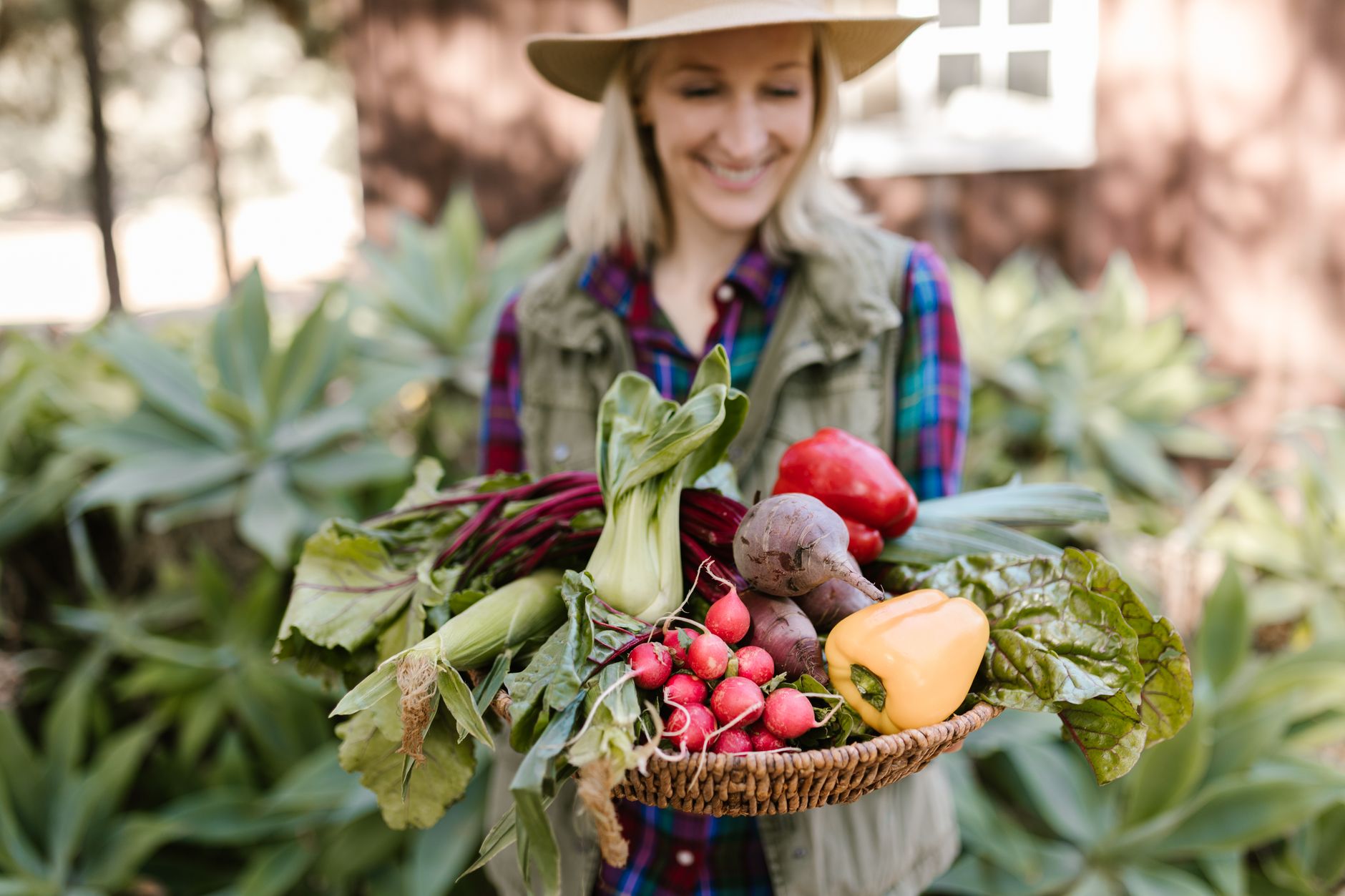
After months of relying heavily on stored root vegetables, greenhouse cultivation, and long distance imports from southern climates, regional distribution networks are resuming domestic harvests. Early spring yields typically feature tender greens, radishes, asparagus, spring onions, and early herbs. These crops represent the initial output of open field agriculture in temperate zones, serving as an economic barometer for the agricultural sector as it emerges from winter dormancy.
ECONOMIC DRIVERS BEHIND THE SEASONAL SHIFT
The economics of spring farm produce are shaped by a complex mix of operational overhead, labor availability, and seasonal demand spikes. Small to mid-sized regional farms rely heavily on direct to consumer retail channels, such as community markets, to secure immediate cash flow at the start of the planting season. These direct transactions eliminate intermediaries, allowing farm operators to capture higher margins on perishable goods while providing consumers with newly harvested supply.
At the same time, commercial food buyers closely monitor these early harvests to gauge local crop quality and projected yield volumes for the coming months. Direct farm sales allow growers to offset the elevated input costs experienced over the winter, including fuel for equipment, greenhouse heating, and specialized labor. As supply ramps up over the coming weeks, wholesale prices for key spring commodities are expected to stabilize, offering relief to food service establishments struggling with menu inflation.
SUPPLY CHAIN ADVANTAGES OF REGIONAL PROCUREMENT
Utilizing local supply chains during peak spring harvests provides distinct operational advantages for food businesses and consumers. Traditional grocery supply chains often involve multi-day transit periods, complex cold chain logistics, and substantial freight surcharges that inflate retail prices. By contrast, regional sourcing reduces transit times from days to hours, mitigating spoilage risks and extending product shelf life.
This proximity yields tangible savings on refrigeration and transport logistics, which can be passed along to end buyers. Furthermore, shorter supply lines insulate local markets from broader systemic disruptions, such as interstate transit delays or weather events in major agricultural hubs. As global supply chain vulnerabilities persist, food service operators are increasingly integrating direct farm purchasing into their core procurement strategies to ensure consistent product flow.
IMPACT ON RESTAURANT PROCUREMENT STRATEGIES
For commercial kitchens and restaurant groups, the spring produce arrival presents both an opportunity and a logistical challenge. Seasonal menu planning requires flexibility, as early spring yields can fluctuate based on localized frost, rainfall, and ground temperatures. Chefs and purchasing agents must maintain close communication with regional farm networks to adjust purchasing specifications dynamically based on daily availability.
Incorporating hyper-local, seasonal produce allows dining establishments to craft high margin menu features that appeal to quality-conscious consumers. The marketing value of showcasing regionally grown ingredients often commands a price premium on menus, helping operators absorb rising overhead costs elsewhere in the business. Consequently, many independent restaurants are formalizing contract arrangements with direct growers early in the season to secure guaranteed volume and stabilized pricing.
CONSUMER SPENDING TRENDS AND MARKET DYNAMICS
Consumer behavior during the spring season reflects a growing preference for fresh, minimally processed ingredients, driving foot traffic to community retail centers and local grocery cooperatives. According to industry tracking, retail spending at direct agricultural outlets consistently expands during the second quarter as shoppers seek out higher quality produce than standard off-season imports provide. This seasonal migration in consumer spending supports small business infrastructure across rural and suburban communities.
However, price sensitivity remains a decisive factor for domestic households facing persistent economic headwinds. While direct retail markets eliminate distributor markups, local produce can occasionally carry a higher price point than mass-produced retail alternatives due to economies of scale. Despite this, consumers increasingly view the superior freshness, extended shelf life, and local economic impact as a worthwhile value proposition during the peak harvest window.
For retail consumers and culinary enthusiasts, the expansion of spring produce availability offers a practical opportunity to improve food quality while optimizing household grocery expenditures. Purchasing ingredients at the peak of their local harvest window generally yields better nutritional value, superior flavor, and longer home storage potential compared to long-distance retail imports. To maximize value, buyers should focus on high yield seasonal items like asparagus, greens, and radishes during their regional peak periods.
For restaurant operators and commercial buyers, now is the time to finalize seasonal purchasing agreements and establish direct relationships with regional grower networks. Diversifying supply sources to include local farm yields helps insulate operations against broader supply chain volatility while providing compelling, high margin features for consumers. Monitoring regional harvest schedules enables food businesses to secure optimal pricing and superior freshness throughout the spring and summer months.
Sources and methodology
Reported from the public datasets below.
More from the Foodie Pundit Newsroom
- Regional Farmers Markets Reshape Agricultural Distribution and Retail Economics
- Rising Wholesale Food Costs Signal New Wave of Grocery Price Hikes
- Menu Dynamics Shift Toward Hyper Efficient Formats and Bold Global Flavors
- How Kirkland Signature Built a Private Label Empire That Is Redefining Grocery Retail
- Nestle Acquires Allergy Biotech Firm Aimmune in Two Billion Dollar Healthcare Expansion