Summer Grazing Trend Resurfaces as Inflation and Heat Reshape Evening Meal Habits
The viral summer grazing trend returns as grocery costs and warm weather push consumers toward low-effort, snack-centric meals.
By Foodie Pundit Newsroom - Published - Section: Desserts Snacks
Key points
- Social media snack trends continue to influence real-world consumer spending at grocery stores and restaurants.
- High food inflation and summer heat are driving demand for no-cook, pantry-based meal alternatives.
- Restaurants are adopting small-plate and customizable grazing formats to boost check averages and profit margins.
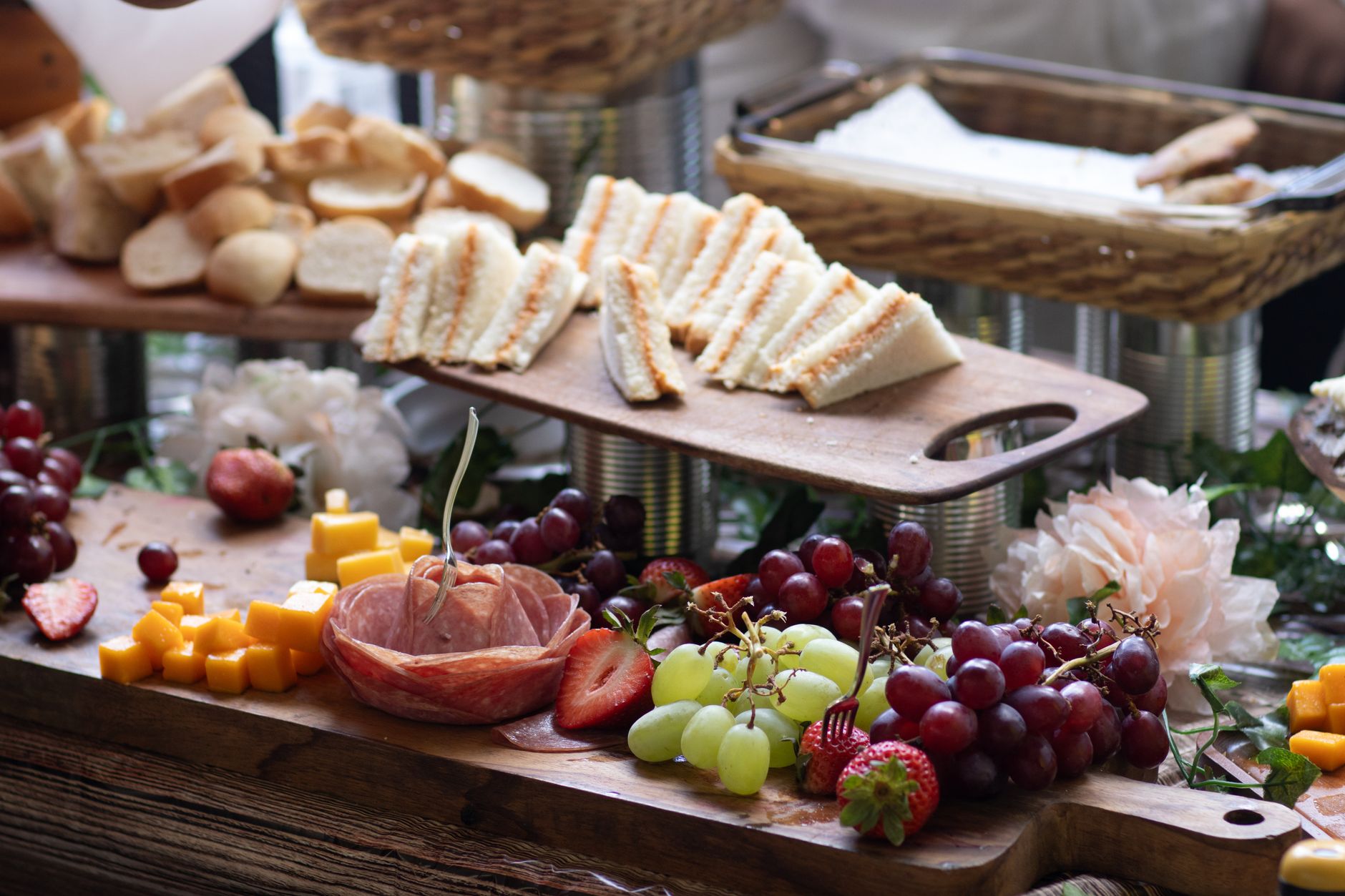
The viral social media phenomenon known as girl dinner has officially returned for the warm weather season, according to recent reporting by Today.com. The trend, which originated on TikTok in mid-2023, centers on assembling low-effort meals composed of disparate snacks, charcuterie elements, and small comfort foods. Rather than cooking a traditional balanced dinner around a central protein, participants arrange whatever items they have in their refrigerators onto a single plate or board.
The resurgence of this casual dining style coincides with rising summer temperatures and shifting consumer preferences. Warm weather historically reduces the appetite for heavy, hot meals that require standing over a hot stove or operating an oven. As a result, consumers are turning toward cold, light, and assemble-it-yourself options that require zero cooking time.
What began as a chaotic home kitchen habit has evolved into a legitimate economic driver for grocery retailers and restaurant operators alike. Food service analysts note that the trend reflects deeper shifts in consumer behavior, particularly regarding convenience, meal timing, and portion sizes. The modern diner increasingly rejects traditional three-course structures in favor of continuous, low-friction grazing throughout the evening hours.
The macroeconomic environment plays a significant role in the ongoing popularity of snack-focused dining. High grocery prices and restaurant inflation have forced many consumers to reconsider their spending habits without sacrificing the joy of eating out. Assembling a meal from pantry staples, specialty cheeses, canned fish, and fresh produce allows shoppers to stretch their food budgets significantly further than buying dedicated meal kits or paying for full-service dining.
Specialty food brands have capitalized on this momentum by adjusting their packaging and product lines. Retailers are reporting increased sales of premium canned seafood, artisanal crackers, pre-sliced cured meats, and single-serve dips. These high-margin peripheral items offer grocers higher profit margins compared to commodity staple goods like fresh poultry or bulk grains.
In addition to grocery retail impact, the packaged food sector has seen a surge in marketing campaigns specifically tailored to grazing culture. Major food manufacturers are reformulating product bundles to emphasize variety over volume. Tinned fish sales in particular have sustained double-digit year-over-year growth, driven largely by younger demographics embracing sophisticated, shelf-stable grazing items as main dish alternatives.
The hospitality industry has closely monitored the evolution of home grazing trends and is adjusting menu strategies accordingly. Full-service restaurants and wine bars across the country are expanding their small-plate offerings to mirror the casual, high-variety appeal of at-home snack plates. By offering customizable grazing boards and expanded appetizer lists, venues encourage diners to order multiple small items with high profit margins.
Operators report that small-plate formats encourage higher overall check averages, particularly when paired with premium beverages. A diner who might hesitate to spend thirty dollars on a single entree is often willing to spend forty dollars across three small plates and a glass of wine. This psychological pricing threshold makes the snack-board dining model uniquely profitable for independent restaurant owners navigating high labor costs.
Fast-casual chains are also testing modular menu structures that allow customers to build personalized combination plates. Rather than purchasing a standardized main course and side, diners can select three or four distinct snack-sized portions. This operational flexibility aligns directly with consumer demand for high-variety, low-effort dining experiences that require minimal decision-making fatigue at the end of the workday.
Beyond economics, the staying power of casual grazing reflects a broader cultural shift away from rigid domestic labor expectations. The initial viral rise of girl dinner was celebrated as an antidote to the pressure of preparing elaborate, photogenic meals after working long hours. Reclaiming evening downtime by assembling a simple, stress-free plate remains a powerful emotional hook for busy urban professionals.
Nutritionists and food psychologists offer nuanced perspectives on the trend as it enters its second full summer season. On one hand, snack boards offer a convenient vehicle for consuming varied micro-nutrients, fresh fruits, vegetables, and fermented foods. On the other hand, reliance on processed snack foods, salty cured meats, and high-sodium dips can lead to elevated intake of saturated fats and sodium if not balanced intentionally.
Despite these nutritional debates, the social aspect of grazing remains a central appeal. Sharing snack boards with friends, family, or room-mates fosters a communal, unpretentious dining environment that aligns with summer entertainment styles. As temperatures rise, the combination of social ease, financial practicality, and zero-cook convenience guarantees that flexible grazing will remain a dominant force in American food culture.
For home cooks and consumers, the ongoing popularity of snack-based meals offers permission to keep dinner simple without sacrificing quality or flavor. You can save money on your weekly grocery bill by stocking up on high-quality shelf-stable staples like tinned seafood, olives, specialty nuts, and whole-grain crackers. Combining these items with fresh seasonal fruit and vegetables yields a quick, highly customized meal that eliminates kitchen heat and cleanup stress.
If you are dining out, expect to see more restaurant menus offering flexible appetizer platters, flexible small-plate pricing, and customizable grazing boards. While these options are fun and ideal for sharing, keep an eye on your final tab, as small-plate spending can add up quickly. Embracing a modular approach to food allows you to enjoy variety while managing both your dining budget and your time during the warm summer months.
More from the Foodie Pundit Newsroom
- General Mills Beats Earnings Expectations on Robust Cereal and Snack Sales
- Commercial Bakery Chains Face Sudden Closures as Margin Pressures Mount
- The Science of Lamination: Professional Bakers Detail Technical Keys to Perfect Croissants
- As Summer Heat Arrives, No-Cook Snack Dining Resurges Across Household and Grocery Markets
- McDonalds Overhauls Iconic Big Mac Cooking Process to Elevate Menu Quality