That $25 Bag of Supermarket Grapes? The Boats are Behind It
Wondering why grapes are so expensive? A global shipping container shortage is creating a massive bottleneck for fresh produce, contributing to higher supermark
By Foodie Pundit Newsroom - Published - Updated - Section: Grocery Cpg
Key points
- A global shortage and misallocation of refrigerated shipping containers ("reefers") is a primary driver of the sharp increase in grape prices.
- Extended shipping times from South America are a factor in a significant portion of fruit spoiling in transit, influencing importers and retailers to adjust prices on the saleable product to offset losses.
- The logistical bottleneck is not limited to grapes; other imported goods like berries, avocados, and seafood are also affected, signaling a broader vulnerability in the global cold chain.
- Retailers are responding by reducing variety, cutting back on promotions, and in some cases sourcing from closer locations to mitigate the impact of unpredictable ocean freight.
A strange quiet has fallen over the produce aisles of many American supermarkets. Where the vibrant pyramids of red, green, and black grapes once stood as a reliable, year-round staple, there are now smaller, less ambitious displays. The price, once a dependable bargain, has crept upward, often dramatically.
A bag that cost $15 just last year might now ring up at $25 or more, leaving shoppers with a sense of bewilderment. What happened to the humble, affordable grape?
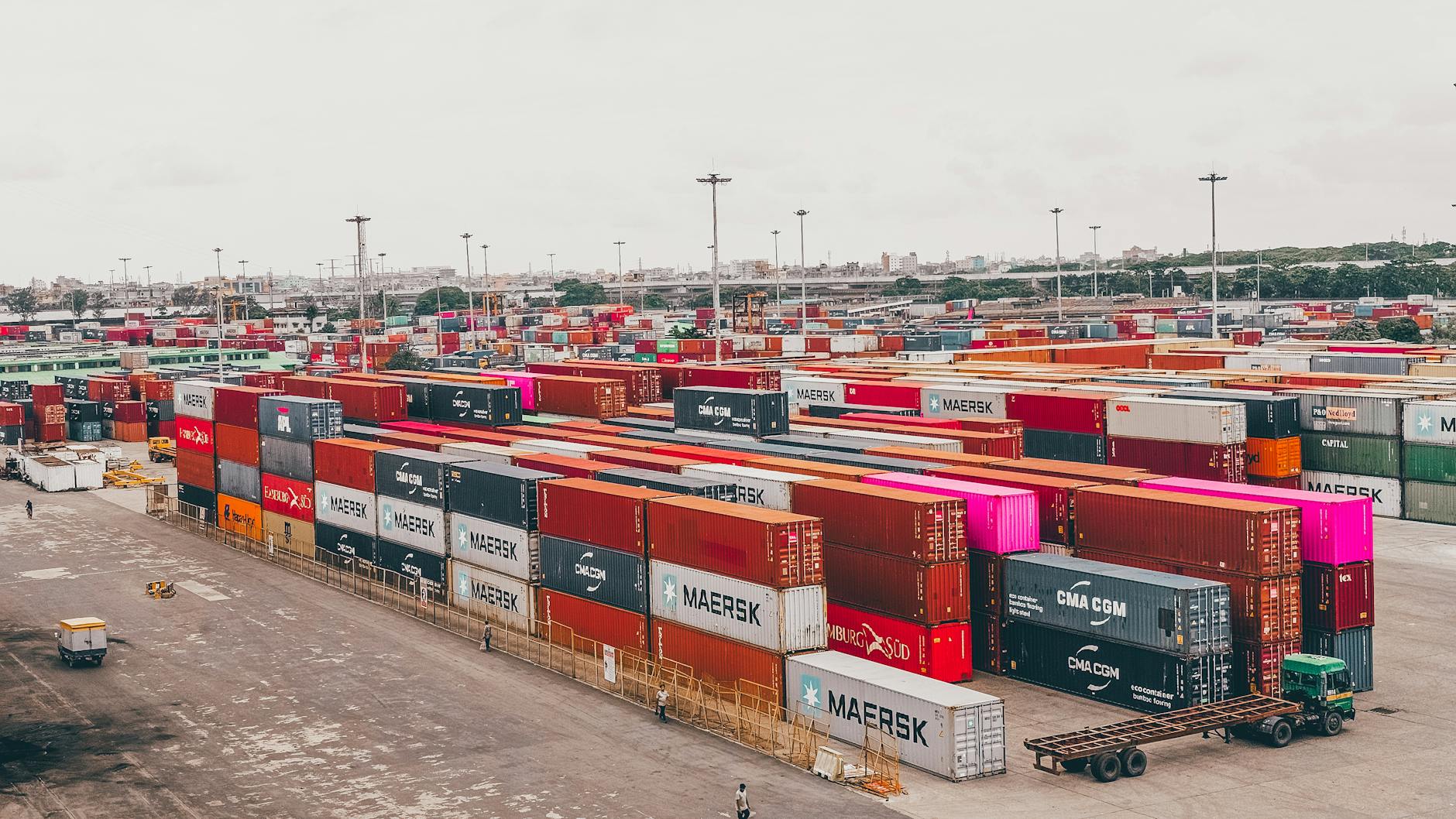
The answer is not in the vineyards, which are producing ample fruit, but on the high seas. A severe, rolling shortage of refrigerated shipping containers, known in the industry as "reefers", is a primary factor in a massive logjam in the global food supply chain. Grapes, particularly those journeying from the Southern Hemisphere during the North American winter, are among the hardest-hit commodities. They are, in essence, getting stuck at sea.
This is not a simple story of inflation or bad weather. It is a complex crisis of logistics, a massive, unforeseen tangle in the finely tuned system that brings fresh food from distant farms to local stores. For growers in countries like Chile and Peru, the world's leading grape exporters, it has been a season of unprecedented frustration. For consumers in the United States, it is a stark reminder of the fragility of a globalized food system that relies on everything running precisely on time.
The journey of a grape from a vine in South America to a fruit bowl in the United States is a modern marvel of cold chain logistics. Once picked, the grapes are quickly cooled, packed, and loaded into refrigerated containers set to a precise temperature, typically around 32 to 34 degrees Fahrenheit. These containers are then trucked to ports, loaded onto massive cargo ships, and sent on a weeks-long voyage across the ocean.
This year, however, that journey has been fraught with delays at every step. The core of the problem is a stark imbalance in the location of reefer containers. The surge in demand for manufactured goods from Asia during the pandemic has contributed to a disproportionate number of all shipping containers, including reefers, moving onto the trans-Pacific routes. Shipping lines, reportedly prioritizing higher profits, have focused on these lucrative routes, sometimes sending empty containers back to Asia rather than repositioning them to other regions like South America where they are needed for agricultural exports.
"We are seeing a traffic jam of historic proportions," said one logistics manager for a major U.S. food importer, who spoke on the condition of anonymity to protect business relationships. "The shipping lines are dictating terms. They are prioritizing the shipment of televisions and sneakers from Shanghai over grapes from Valparaiso because the margins are astronomically higher. The reefers are simply not where the fruit is."
This situation has left Chilean and Peruvian grape growers in a desperate scramble. In the port of San Antonio, Chile's busiest hub, containers of grapes that should have been loaded and shipped within days have instead sat for weeks. Even when growers secure a container and a booking on a vessel, the transit times have become wildly unpredictable.
Ships are "blanking" sailings, or skipping ports, to make up time on their schedules, a factor in cargo being stranded. A typical 20-day journey from Chile to Philadelphia can now stretch to 35 or 45 days.
For a durable good like a toy or a textile, a two-week delay is an inconvenience. For a perishable fruit like a table grape, it can be a death sentence. Grapes are a delicate commodity. Even with state-of-the-art refrigeration and packaging, such as special sulfur dioxide pads that inhibit decay, they have a finite lifespan. Every extra day in transit diminishes their quality, value, and safety.
As the voyage stretches on, the clock ticks louder. The fruit begins to lose its firmness. The stems, a key indicator of freshness for consumers, start to turn brown and brittle. The risk of mold and berry drop increases exponentially. By the time these delayed containers finally arrive at U.S. ports, a significant portion of the fruit may no longer meet the stringent quality standards of American retailers.
Importers and ripeners face a grim calculus. Upon arrival, pallets are inspected, and the financial losses are tallied. "We're seeing entire containers written off," the logistics manager noted.
"Or we might have a container where we can only salvage 40 or 50 percent of the product. The rest is decay. That loss has to be absorbed, and it gets passed down the line."
What was once a profitable box of fruit becomes a partial or total loss, a sunk cost that ripples through the supply chain.
This quality degradation is a direct factor in higher prices on the shelf. Retailers are paying more for the grapes that do make it through in good condition to offset the cost of the spoiled fruit that had to be discarded. They are essentially buying fewer good grapes for more money. The result is the $25 bag of grapes that looks no better, and is often worse, than the $15 bag from a year ago.
The crisis is felt most acutely at the source. For the thousands of grape growers in Chile and Peru, this season has been catastrophic. After investing a full year of capital and labor into cultivating their crop, many have watched their fruit languish at the ports, its value plummeting with each passing day. Securing space on a ship has become a frantic, high-stakes competition.
"We have the fruit. It is beautiful fruit," explained a representative for a Chilean grape growers' association. "But we are powerless. We are at the mercy of the shipping companies. They have reportedly raised their rates by 300 to 400 percent, and even if we agree to pay, there is no guarantee our product will ship on time, or at all."
This uncertainty has contributed to a ripple effect of economic hardship. Growers who cannot ship their product are unable to generate revenue to pay their workers, cover their operating costs, and invest in the next season's crop. The financial strain is immense, pushing many smaller, family-owned farms to the brink of collapse. The situation has become so dire that industry groups have appealed to their governments for intervention, seeking diplomatic pressure on the global shipping conglomerates.
Furthermore, the logistical nightmare has prompted a painful reevaluation of farming practices. Some growers, unable to secure reefer containers, have reportedly resorted to selling their premium table grapes to the domestic market for juice or wine production at a fraction of the price. It is a devastating outcome for a product cultivated for the lucrative export market.
While grapes have been a prominent victim of the reefer shortage, they are not alone. A wide array of other perishable goods that rely on the same cold chain logistics are also experiencing significant disruption. Avocados, blueberries, mangoes, and citrus from Mexico and South America face similar challenges. Delays in shipments of asparagus from Peru and stone fruits like peaches and nectarines from Chile have also contributed to sporadic shortages and price hikes in U.S. stores.
The issue extends beyond produce. The global seafood industry has also been hit hard. Frozen fish and shellfish being transported from Asia and South America are competing for the same limited reefer space, contributing to delays and increased freight costs that ultimately affect prices at the fish counter. Even imported flowers, another major user of refrigerated air and sea freight, have seen their supply chains snarled.
This widespread disruption underscores a fundamental vulnerability in the modern food system. The pursuit of efficiency and low cost has created a reliance on long, complex supply chains that are highly optimized but not very resilient. The system is built on the assumption that ships will sail on time and containers will be available where needed. The pandemic and its aftermath have challenged that assumption, revealing how quickly the entire structure can seize up when one critical component, in this case, container availability, goes awry.
Back in the supermarket, retailers are navigating a difficult landscape. They are caught between rising wholesale costs and consumer sensitivity to price increases. Their primary goal is to keep the shelves stocked, but the unpredictability of arrivals makes that a daily challenge. Produce managers who once had a clear picture of what shipments were arriving weeks in advance are now dealing with constant changes and uncertainty.
To manage the situation, many grocers are adjusting their strategies. Some are reducing the variety of grapes they offer, perhaps stocking only red seedless instead of multiple colors and organic options. Others are sourcing more from closer locations, such as Mexico, when possible, to shorten the supply chain, though this is not always a viable alternative for seasonal items.
Promotions and sales on imported fruits have become far less common. The days of "loss leader" deals on grapes to draw customers into the store are, for now, largely a thing of the past. Instead, retailers are focusing on simply maintaining a consistent, if expensive, supply. They are also absorbing some of the cost increases to avoid shocking customers with even higher prices, but their margins are being squeezed thin.
This environment presents difficult choices that shape the consumer experience. The visual abundance that shoppers have come to expect in the produce section is being scaled back. The perfect, pristine quality that was once the standard is now harder to guarantee. The era of predictable, year-round availability of every type of fruit from every corner of the world is being tested.
The current crisis in the global shipping of perishable goods has direct and tangible consequences for households. First, be prepared for sustained high prices on imported fruits, especially those traveling long distances, like grapes, berries, and stone fruits from the Southern Hemisphere. These are not temporary spikes but reflect a deeper structural problem in logistics that will take many months, if not longer, to resolve. Planning your grocery budget with this new reality in mind is a crucial first step.
Second, this is a time to embrace flexibility and seasonality in your shopping habits. Instead of defaulting to the same fruits year-round, pay closer attention to what is being grown closer to home. Apples and pears from domestic orchards in the fall and winter, or citrus from Florida and California, are less susceptible to these trans-oceanic shipping woes. Exploring the freezer aisle for frozen fruits, which are picked at peak ripeness and are not subject to the same tight timelines, can also be a cost-effective and nutritious alternative.
Finally, it is important to adjust expectations for quality. Given the extended transit times, some imported produce may not have the same shelf life at home as it once did. Bruising, softer textures, and less vibrant appearances may become more common.
Inspecting packages carefully before purchase and planning to consume the fruit more quickly after bringing home can help reduce waste and ensure you get the best value for your money. Understanding the journey your food takes can make the imperfections a little more understandable. The pristine grape may be a casualty of this global logistical storm for some time to come.
More from the Foodie Pundit Newsroom
- Your Wooden Spoons Might Be Hiding Bacteria – Here's What Experts Say
- The Colicchio Calculus: How a Top Chef is Redefining Restaurant Sustainability
- The Ghost Kitchen Reckoning: Profitability Becomes The New Mantra
- Loot Table Is Your New Coffee Side Quest
- Oceanside Is Getting A Second Ironsmith Coffee Roasters