The Business of Grazing How the Return of Girl Dinner Is Reshaping Food Economics
The viral social media phenomenon returns as consumers embrace convenient grazing plates over traditional cooking.
By Foodie Pundit Newsroom - Published - Section: Social Virality
Key points
- The viral social media trend has returned, reflecting sustained consumer desire for low-effort, highly flexible evening meals.
- Food manufacturers and retailers are capitalizing on the trend by expanding single-serve specialty products and shelf-stable grazing items.
- Restaurant operators are adapting to changing dining preferences by highlighting small plates, shared appetizers, and customizable boards.
- The shift highlights a broader economic and psychological movement toward minimizing food waste, decision fatigue, and cooking stress.
Social media trends often vanish as quickly as they appear, but the internet phenomenon known as girl dinner has proven remarkably resilient. Reporting from Today.com highlights a massive resurgence of the viral trend across TikTok and Instagram, where users share videos of low-effort, highly customized snack plates served as complete evening meals. What began as a playful celebration of eating whatever is left in the pantry has evolved into a broader conversation about modern dining habits and consumer fatigue.
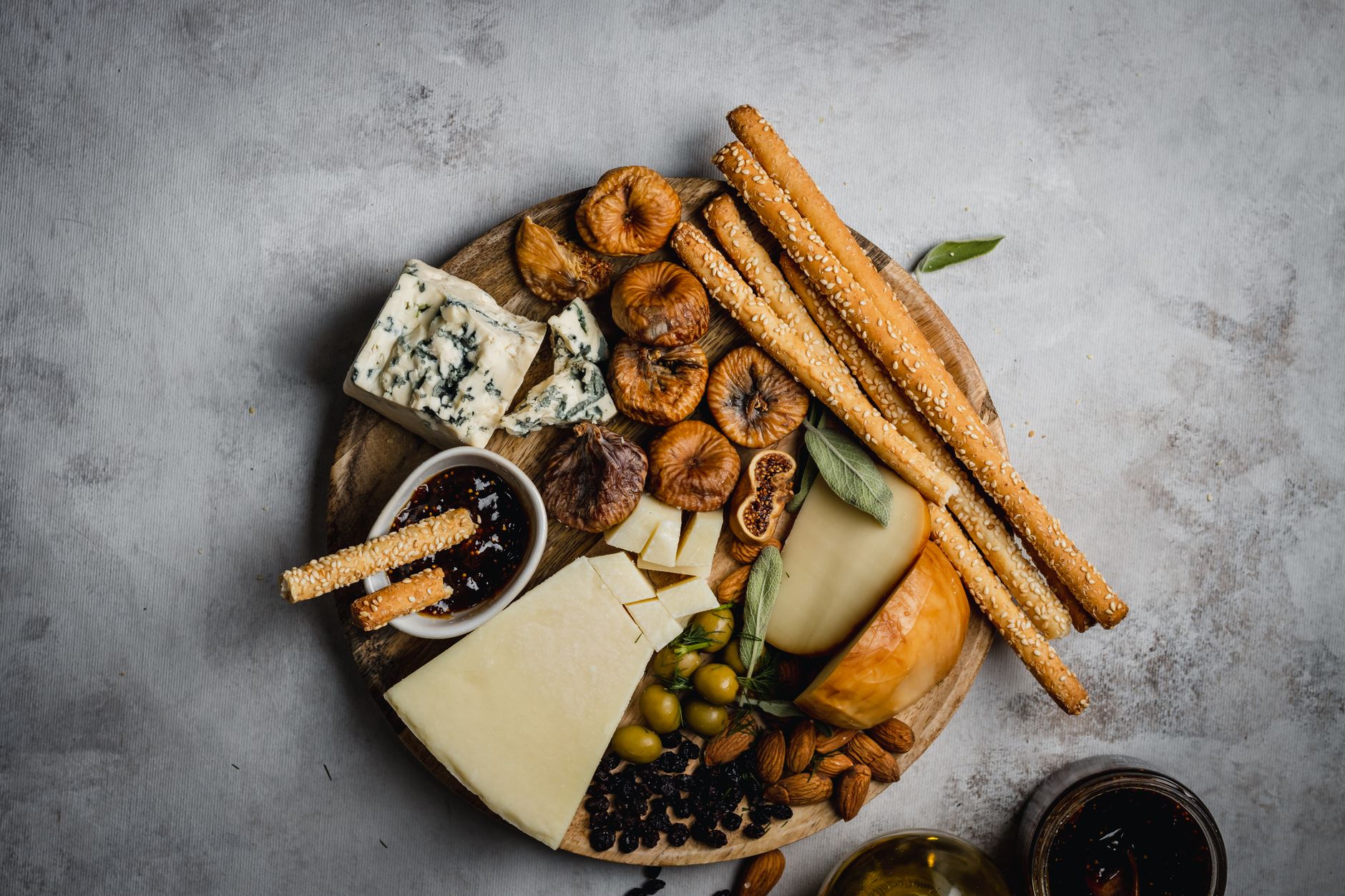
The original trend gained traction when users started posting images of eclectic food combinations that required zero cooking. A typical spread might feature a handful of almonds, a few slices of sharp cheddar, a pickled pepper, two strawberries, and a crust of sourdough bread. While the concept initially drew lighthearted laughs, its second wave is demonstrating a deeper shift in how people view food preparation at home.
Restaurateurs and consumer packaged goods brands are taking notice of this sustained behavior. As inflation continues to squeeze household budgets, consumers are increasingly seeking low-cost, minimal-effort alternatives to traditional cooking and expensive takeout. The persistence of this trend signals a permanent change in evening meal construction, particularly among younger demographics who prioritize convenience and personal preference over structured recipes.
OPERATIONAL EFFICIENCY AND SNACKING CULTURE
The economics driving this phenomenon extend beyond individual kitchens into the wider food industry. Traditional grocery shopping lists are being reshaped by a growing preference for specialty grazing items, artisanal cheeses, canned seafood, and high-end condiments. Retailers report increased demand for peripheral charcuterie ingredients, which allow shoppers to assemble diverse plates without purchasing large quantities of fresh meat or produce.
In response, food packaging companies are accelerating the rollout of premium, single-serve snack kits designed to emulate the girl dinner aesthetic. These products offer curated assortments of nuts, cured meats, and dried fruits, catering directly to consumers who want the variety of a grazing board without the hassle of chopping or prep work. The commercialization of this trend demonstrates how informal digital habits can quickly translate into tangible product development strategies.
At the same time, restaurant operators are examining how this mindset impacts traditional dining out. With home options leaning heavily toward low-prep snacking, casual dining establishments are adjusting their menus to feature more small plates, customizable boards, and shared appetizers. Operators recognize that guests who routinely eat light at home expect similar flexibility when spending money at a restaurant.
Beyond financial considerations, food psychologists point to mental fatigue as a primary driver behind the lasting appeal of unstructured meals. After a long workday spent making complex decisions, many individuals experience decision fatigue that extends directly into the kitchen. The pressure to plan a balanced meal, follow a recipe, and clean multiple pots and pans can feel overwhelming.
As reported by Today.com, the resurgence of these viral food posts reflects a collective pushback against traditional culinary expectations. Assembling a meal from disparate items in the refrigerator removes the guilt associated with not cooking a full dish from scratch. It reframes simple, low-effort eating as a deliberate, satisfying choice rather than a personal failure.
This psychological shift has normalized non-traditional eating schedules and meal compositions. The traditional formula of one protein, one starch, and one vegetable is no longer viewed as the mandatory baseline for dinner. Instead, balance is defined by personal satisfaction, convenience, and emotional comfort, allowing consumers to embrace flexibility without judgment.
RETAIL IMPACT AND SUPPLY CHAIN ADAPTATIONS
The shift toward assembly-style dining is altering inventory planning for grocers and food distributors alike. Demand for shelf-stable items like tinned fish, specialty crackers, olives, and pickled vegetables has remained elevated. Specialty grocers are capitalizing on this demand by creating dedicated promotional displays that group these complementary grazing items together near the store entrance.
Supply chains are also feeling the trickle-down effect of this sustained consumer preference. Manufacturers of small-format food packaging are seeing steady growth as brands repackage bulk goods into smaller, preserved portions suitable for snacking. This trend supports higher profit margins for manufacturers, as consumers are generally willing to pay a premium per unit for high-quality, pre-portioned specialty items.
Furthermore, the rise of tinned seafood, often referred to as tinned fish date night or gourmet grazing, has provided a significant boost to sustainable fisheries and import distributors. High-protein, shelf-stable options allow consumers to add substantial nutritional value to a simple plate without generating food waste from unused fresh proteins.
For the average consumer, the enduring popularity of this social media trend provides a reassuring validation of practical eating habits. You do not need to spend hours in the kitchen or order costly delivery to have an enjoyable evening meal. Embracing a grazing plate allows you to minimize food waste by utilizing leftover ingredients before they spoil, saving both money and time.
From a budgeting perspective, leaning into high-quality pantry staples can significantly lower your weekly grocery bill compared to buying fresh ingredients for complex multi-step recipes. Keeping a well-stocked pantry of canned seafood, whole grain crackers, nuts, and pickled goods ensures you always have a quick, satisfying meal available at a moment's notice.
For industry professionals and restaurant diners, expect menu offerings to become increasingly flexible and modular. Restaurants will continue expanding their appetizer and small-plate selections to cater to guests who prefer variety over large single entrees. Whether dining out or eating at home, the era of rigid meal structures is giving way to a more personalized, stress-free approach to food.
Sources and methodology
Reported from the public datasets below.
More from the Foodie Pundit Newsroom
- Viral Grazing Trend Reclaims Social Media Spotlights as Consumer Dining Habits Shift
- viral Girl Dinner Trend Returns as Economic Pressures Reshape Modern Dining Habits
- Summer Grazing Culture Returns As Consumers And Restaurants Embrace Low-Effort Dining
- Casual Dining Footprints Shrink as National Chain Eliminates 28 Underperforming Locations
- Legacy Fast Food Chains Face Mounting Closures as Economic Pressures Reshape the Industry