The Economic and Cultural Rise of TikTok Girl Dinner Trend
TikTok viral phenomenon girl dinner highlights a massive shift toward low-effort assembly meals and snack-centric dining habits.
By Foodie Pundit Newsroom - Published - Updated - Section: Desserts Snacks
Key points
- The viral trend celebrates low-effort, assembly-only meals made from pantry staples and leftovers over complex cooking.
- Changing household demographics and economic pressures are driving consumers toward flexible, snack-based dining.
- Grocery retailers and packaged food brands are adjusting product offerings to target high-margin convenience components.
- Casual restaurants are expanding small-plates and grazing menus to cater to changing consumer dining preferences.
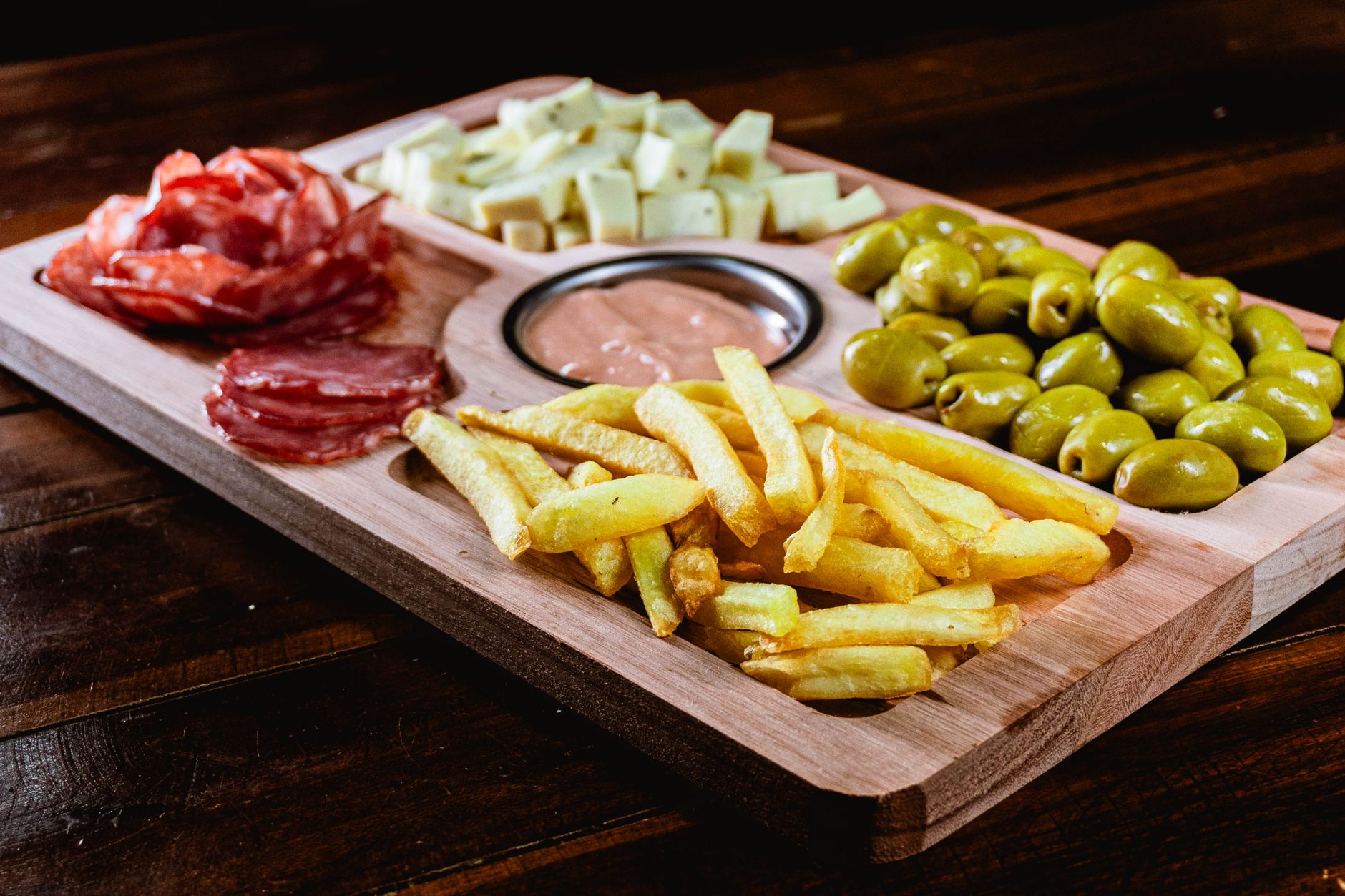
The digital landscape of culinary trends has undergone a dramatic shift away from labor-intensive preparation toward fragmented, assembly-only dining experiences. A viral phenomenon known across social media platforms as girl dinner has captured the attention of millions of consumers and industry analysts alike. The trend features meals composed entirely of random, low-effort pantry staples, snack items, and leftover ingredients arranged casually on a single plate or cutting board. What began as a humorous video on TikTok has rapidly evolved into a broader cultural conversation about modern dining habits and the economics of individual meal consumption.
Reporting from NBC News highlights how the phenomenon resonates with consumers who feel exhausted by traditional cooking expectations after long workdays. Instead of executing a complex recipe involving multiple pans and structured protein sources, participants assemble disparate foods that require zero culinary skill. A typical spread might include a handful of olives, a few slices of cheese, pickled vegetables, a hard-boiled egg, and a handful of crackers. The trend celebrates the complete absence of cooking, prioritizing immediate convenience, sensory variety, and emotional comfort over established nutritional frameworks or formal meal structures.
THE CULINARY EVOLUTION OF LOW-EFFORT EATING
The rise of this fragmented dining style reflects deeper changes in household demographics and everyday lifestyle pressures. As single-person households continue to grow globally, the economic and logistical incentives to cook elaborate multi-course meals have diminished significantly. Preparing a traditional dinner for one person often results in excessive food waste, high grocery expenditures, and a disproportionate cleaning burden. Social media has effectively destigmatized the act of eating disconnected snack foods for dinner by rebranding it as a stylized, shared aesthetic.
Food industry researchers note that the concept itself is far from novel, drawing clear parallels to traditional European eating styles such as Spanish tapas, French charcuterie, and Mediterranean mezze platters. The crucial difference lies in the deliberate lack of curation and the total reliance on mass-market convenience goods. Rather than sourcing artisanal cured meats or specialty cheeses, consumers showcase whatever happens to be sitting in their refrigerators. This raw authenticity stands in stark contrast to the highly polished, aspirational food photography that previously dominated social media platforms for over a decade.
The economic implications of this viral shift are already reverberating through the consumer packaged goods sector and grocery retail channels. Manufacturers of specialty dips, canned seafood, crackers, and pre-cut produce are witnessing heightened interest from younger demographics seeking quick assembly components. Grocers are increasingly recognizing that modern shoppers often shop for immediate snacking occasions rather than planned weekly cooking menus. Consequently, store layouts and promotional strategies are adapting to highlight high-margin, small-format convenience items together.
Market analysts suggest that the popularization of assembly-based meals aligns perfectly with current inflationary pressures affecting food purchases. As restaurant menu prices remain elevated and grocery bills rise, consumers are searching for cost-effective ways to feed themselves without spending hours in the kitchen. Combining inexpensive pantry staples like canned beans or packaged chips with small portions of higher-end items allows diners to feel pampered while maintaining control over their personal food budgets.
Beyond the financial and practical considerations, psychological factors play a massive role in the widespread adoption of this eating style. Psychological experts point out that decision fatigue plays a heavy role in post-work eating habits. After spending hours making professional choices, the cognitive load of selecting a recipe, buying specific ingredients, and timing various cooking stages becomes overwhelming. Assembling a collection of small bites eliminates the risk of culinary failure and restores a sense of autonomy over one's evening schedule.
Furthermore, the trend highlights a growing rebellion against rigid dietary rules and perfectionist wellness culture. For years, digital media saturated feeds with hyper-curated meal prep ideas and restrictive health regimens. By openly proudly sharing meals that consist of potato chips, berries, and string cheese, creators are challenging the notion that every evening meal must be nutritionally balanced or visually grand. This social validation has made low-effort eating feel less like a personal compromise and more like a conscious, self-care choice.
The hospitality sector is closely monitoring this cultural movement as consumer preferences continue to shift away from traditional entrée formats. Casual dining establishments and wine bars are increasingly expanding their small-plates offerings, grazing boards, and customizable appetizer menus to capture this market segment. Operators realize that younger diners frequently prefer ordering three distinct small items over a single large main dish, as it mirrors the variety and flexibility they enjoy at home.
Packaged food brands are also taking direct inspiration from social media chatter by releasing pre-portioned snack kits designed specifically for adult consumers. By packaging complementary savory, salty, and sweet items together, brands are effectively monetizing the low-effort assembly trend. As consumer schedules remain unpredictable and remote work patterns persist, the line between structured meals and casual snacking will likely continue to blur across all retail and foodservice categories.
For the average consumer, the normalization of low-effort meal spreads provides psychological permission to skip traditional cooking without feeling guilt or embarrassment. It offers a practical framework for reducing food waste by encouraging people to consume lingering refrigerator odds and ends before they spoil. You can save both money and time by embracing simple assembly meals during busy weeknights rather than defaulting to expensive takeout deliveries.
From a grocery shopping perspective, leaning into this trend means focusing your budget on versatile, shelf-stable staples that can be combined in endless variations. Stocking your pantry with quality crackers, tinned fish, nuts, and pickled items ensures you always have a satisfying meal option ready in under two minutes. Ultimately, recognizing that a collection of snacks constitutes a completely valid dinner allows you to simplify your daily routine while maintaining total control over your food budget.
Sources and methodology
Reported from the public datasets below.
More from the Foodie Pundit Newsroom
- New York State Enacts Ban On Forever Chemicals In Food Packaging
- Fast Food Chains Reignite Value Wars as Traffic Drops
- Viral Video Trends Reshape Dessert Menus as Savory Favorites Go Sweet
- Plant Based Pastry Craze Redefines Commercial Bakery Sector
- Spreadable Butter Boards Replace Charcuterie as Viral Food Trend Captivates Diners