The Economics of Girl Dinner and the Shift Toward Effortless Grazing
Social media trends are elevating low-effort snack platters into a mainstream dining movement with real industry impact.
By Foodie Pundit Newsroom - Published - Updated - Section: Coffee Cafes
Key points
- Social media platforms have normalized assembling low-effort snack platters as a valid alternative to traditional cooked dinners.
- Grocery retailers are seeing increased demand for high-end deli items, specialty cheeses, and preserved seafood driven by grazing trends.
- Restaurants are responding by expanding small-plate menus and shareable appetizer offerings to match consumer preferences.
- Nutritionists recommend balancing convenience-focused grazing plates with adequate fiber, fresh produce, and lean proteins.
The modern dining landscape is experiencing a subtle yet profound shift, driven less by traditional culinary innovation and more by changing consumer lifestyles. For decades, the dinner hour was defined by structured meals featuring a primary protein, a complex carbohydrate, and a side of vegetables. Today, however, mobile video platforms are redefining what constitutes an acceptable evening spread. The viral trend known as girl dinner has captured millions of views across digital platforms, bringing a long-standing personal eating habit into the mainstream cultural conversation.
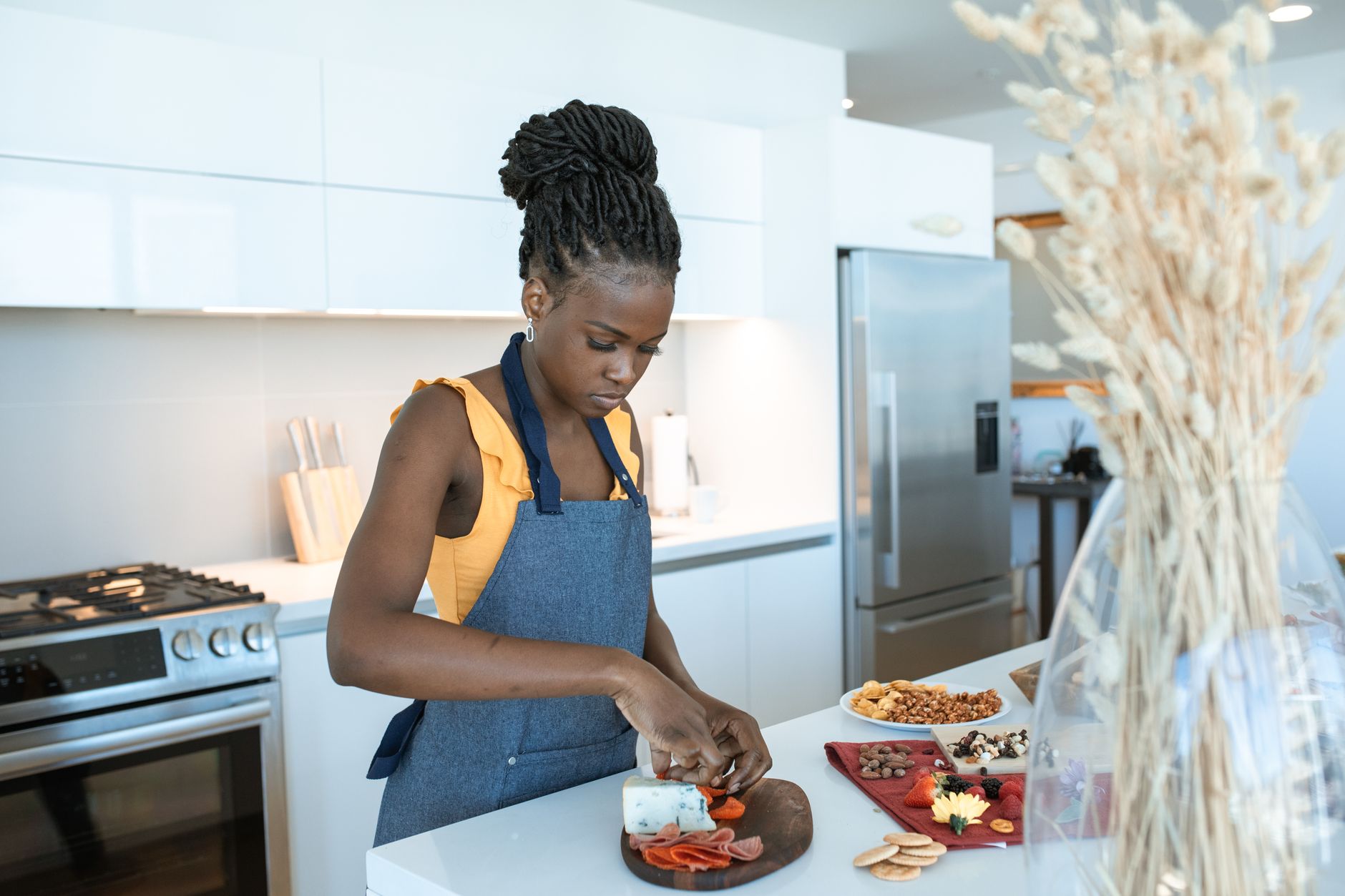
According to reporting by Today, the phenomenon centers around assembling an aesthetic plate composed entirely of disparate snacks, small bites, and pantry leftovers. Instead of firing up an oven or following a multi-step recipe, individuals are curating platters featuring block cheeses, sliced fruits, cured meats, pickles, crackers, and canned seafood. What began as a playful video trend has quickly evolved into a larger discussion about meal preparation labor, single-serve dining economics, and the rising popularity of casual grazing.
The popularity of snack-based dinners highlights a growing disconnect between traditional cooking expectations and modern schedules. Long working hours, single-person households, and the fatigue associated with post-work cleanup have made elaborate home cooking less appealing for many adults. Assembling a plate from pre-packaged or quick-assembly items eliminates both culinary effort and kitchen cleanup. It allows diners to satisfy immediate cravings without committing to a single heavy entree.
Industry analysts note that this behavior is not entirely new, but its normalization through social media represents a key cultural moment. In past decades, eating a random assortment of pantry items standing over a kitchen counter might have been viewed as a compromise or a sign of poor planning. By framing these assortments as curated, deliberate choices, consumers are stripping away the guilt often associated with low-effort meals. The trend reframes minimal-effort eating as a valid form of self-care and personal expression.
ECONOMIC IMPLICATIONS FOR RETAIL AND FOODSERVICE
The widespread adoption of grazing-style dinners is sending ripples through the broader food industry. Grocery retailers are paying close attention to the increased demand for high-quality snacking ingredients. Sales of specialty cheeses, artisanal crackers, premium charcuterie, and specialty canned fish have seen steady growth as consumers seek to elevate their simple home platters. Supermarkets are increasingly tailoring their endcap displays and deli sections to cater to shoppers looking for quick, mix-and-match grazing components.
For the restaurant sector, the trend presents both a challenge and a strategic opportunity. Full-service establishments offering traditional three-course meals face increased competition from consumers choosing to stay home for low-cost, low-effort bites. However, forward-thinking operators are adapting by expanding their small-plate offerings and appetizer menus. Tapas bars, wine lounges, and casual eateries that specialize in shareable platters are uniquely positioned to capture diners who want the social aesthetic of a girl dinner without preparing it themselves.
NUTRITIONAL CONSIDERATIONS AND PORTION CONTROL
While the convenience of snack plates is undeniable, dietary experts have offered nuanced perspectives on the trend. On one hand, assembling a varied platter can encourage the consumption of nutrient-dense whole foods like fresh berries, nuts, raw vegetables, and fermented foods. It allows individuals to practice intuitive eating by choosing exact portion sizes based on real-time hunger levels. The lack of rigid structure can promote a healthier, less restrictive relationship with food.
On the other hand, nutritionists caution that uncurated snack plates can easily become high in sodium and saturated fats if they rely too heavily on processed meats and refined crackers. Without intentional planning, these meals may lack adequate dietary fiber or balanced lean proteins. Health professionals suggest that consumers utilizing this dining style focus on incorporating a balance of complex carbohydrates, healthy fats, and varied color to ensure their grazing plates remain nutritionally complete.
Beyond nutrition and economics, the cultural resonance of the grazing trend speaks to shifting attitudes toward domestic labor. Historically, the burden of meal planning, grocery shopping, and cooking has fallen disproportionately on women. The public celebration of effortless eating represents a quiet rebellion against the societal pressure to produce picture-perfect, home-cooked dinners every single night. It validates the choice to spend less energy in the kitchen after a demanding day.
By broadcasting these simple meals online, creators are normalizing the reality of adult fatigue and destigmatizing lower-effort lifestyle choices. The trend honors the utility of simple sustenance over performance cooking. In a fast-paced environment where time is an increasingly scarce commodity, the freedom to eat a handful of almonds, some sharp cheddar, and a handful of grapes for dinner offers a practical solution to daily burn-out.
For the average consumer, the main takeaway is that dinner does not have to be complicated to be satisfying. Embracing a casual snack plate can save time, reduce food waste, and lower kitchen cleanup stress on busy weeknights. However, it pays to be mindful of balance. When building a grazing platter at home, aim to include a colorful mix of fresh produce, lean proteins, and whole grains alongside your favorite processed snacks.
For food industry professionals and home cooks alike, the lesson is clear. Consumer preferences are moving steadily toward flexibility, convenience, and personalization. Whether shopping at the grocery store or ordering at a lounge, diners are prioritizing options that fit their immediate energy levels and lifestyle needs. Expect to see more brands and restaurants adapting to this shift by emphasizing modular, snack-friendly menu options in the coming months.
More from the Foodie Pundit Newsroom
- Fast Casual Concepts Lead Restaurant Growth Through Operational Efficiency And Culinary Value
- Emeril Lagasse Debuts Seasonal Flavor Lineup and Backyard Entertaining Hacks
- The Business of Girl Dinner: How Grazing Culture Is Reshaping Nightly Dining Trends
- Chick-fil-A Accelerates Drive-Thru Tech Upgrades To Boost Service Speed And Unit Volume
- Automated Kitchens and Digital Order Takers Reshape Restaurant Economics