The Premium Spirits Pivot How Moderation and Bold Flavors Are Reshaping Beverage Economics
As consumer preferences shift toward wellness and adventurous flavor profiles, the global alcohol industry is rapidly pivoting toward premium low-proof beverage
By Foodie Pundit Newsroom - Published - Section: Wine Spirits
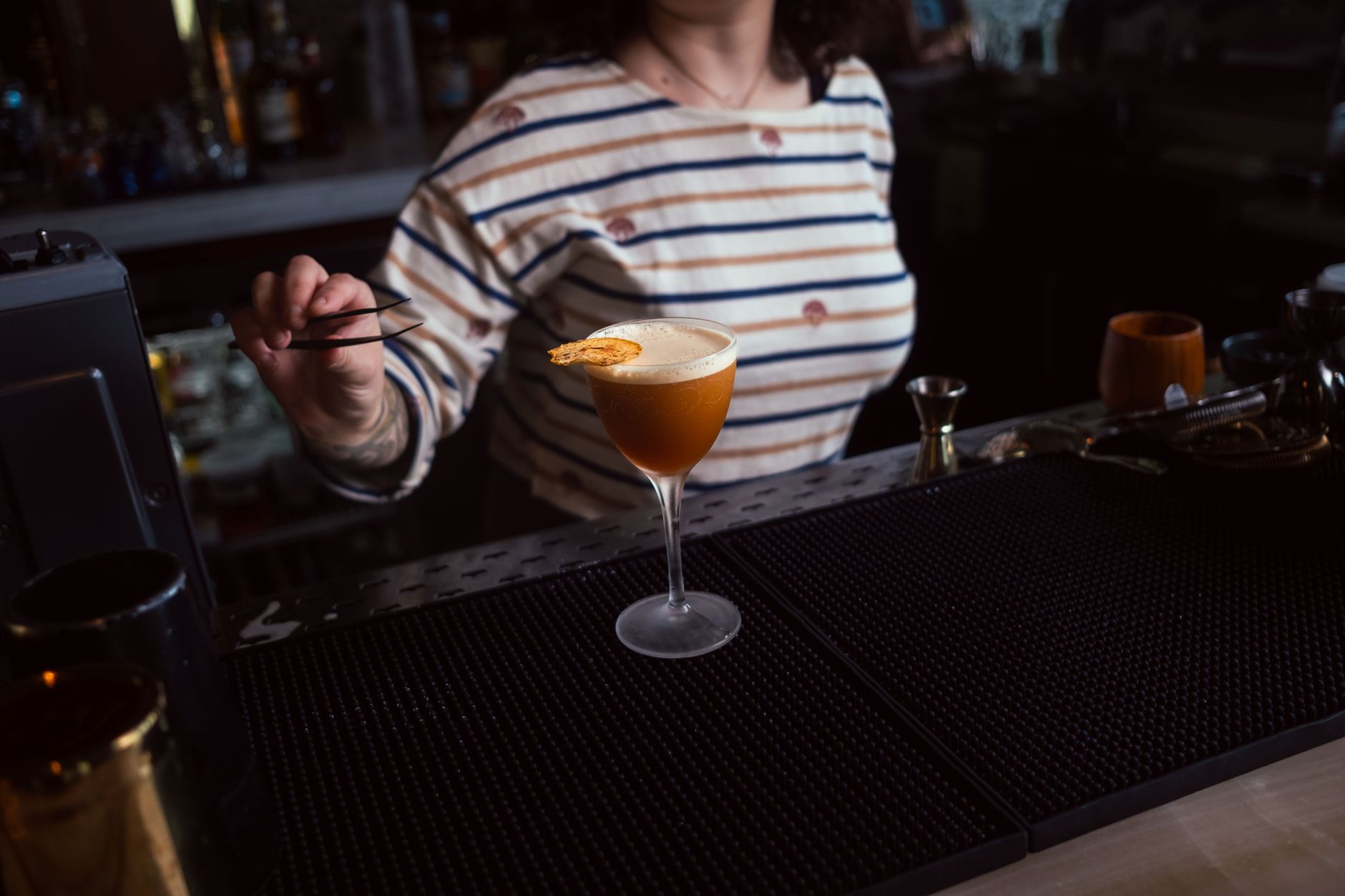
Key points
- Mindful drinking and moderation trends are driving high profit margins for premium low-alcohol and non-alcoholic options.
- Flavor innovation is leaning into spicy, savory, and hyper-regional botanicals to engage adventurous consumers.
- Ready-to-drink canned cocktails serve as the primary incubator for testing experimental craft flavor profiles.
- Hospitality venues must modernize beverage programs to protect margins against declining overall alcohol volume sales.
THE SPIRITS MARKET IS UNDERGOING A SEISMIC SHIFT
The global beverage alcohol market is undergoing a fundamental transformation as consumer preferences pivot away from high-volume consumption toward premium, health-conscious, and flavor-forward products. Recent reporting from Forbes India highlights how legacy distillers and independent beverage brands alike are adjusting their portfolios to capture a new generation of drinkers. This shift is redefining retail shelf space, bar menus, and investment strategies across the adult beverage sector.
Industry analysts observe that traditional beer and standard spirits sales are stabilizing or declining in several key Western and Asian markets. In their place, high-margin categories such as functional cocktails, botanical spirits, and premium ready-to-drink canned beverages are experiencing double-digit annual growth. Consumers are increasingly viewing their social drinking habits through the lens of wellness, leading to a rise in demand for lower-alcohol and lower-calorie formulations.
The drivers behind this evolution are manifold, ranging from changing demographic habits among younger adult cohorts to technological advancements in extraction and distillation. Modern beverage formulators can now create complex flavor profiles without relying on high sugar content or artificial additives. As a result, the boundary between health-conscious functional beverages and traditional recreational alcohol continues to blur.
MINDFUL DRINKING GAINS MAINSTREAM COMMERCIAL TRACTION
Mindful drinking has evolved from a niche lifestyle trend into a primary commercial driver for major beverage conglomerates. Forbes India reports that the premiumization of moderation is allowing producers to command higher price points for low-alcohol and non-alcoholic alternatives. Consumers are no longer willing to accept flat, overly sweet mocktails, demanding instead sophisticated flavor profiles that mimic the mouthfeel and complexity of aged spirits.
Distillers are responding by utilizing advanced vacuum distillation, cold extraction, and fermentation techniques to isolate aromatic compounds without generating high proof levels. Ingredients such as ashwagandha, adaptogenic mushrooms, green tea extracts, and exotic botanicals are frequently incorporated into these modern formulations. These additives appeal directly to consumers seeking relaxation or social engagement without the physical drawbacks of traditional overconsumption.
This trend has also created a lucrative opportunity for hospitality operators, who traditionally suffered low profit margins on non-alcoholic beverage sales. By framing mindful sips as handcrafted, premium creations, bars and restaurants can charge prices comparable to top-shelf cocktails. This dynamic protects venue margins even as total alcohol volume consumption per capita declines in major metropolitan markets.
Alongside the movement toward moderation, bold and unconventional flavor profiles are captivating adventurous drinkers seeking novelty. Traditional fruit flavors like lime, berry, and citrus are being supplemented, and in some cases replaced, by savory, spicy, and hyper-regional ingredients. Forbes India notes that cross-category experimentation, such as aging spirits in non-traditional barrels or blending botanical tea infusions with craft spirits, has become a core product development strategy.
Spicy profile notes, including habanero, yuzu, ghost pepper, and Sichuan peppercorns, are seeing rapid adoption in both ready-to-drink cans and back-bar spirits. These intense flavor compounds serve a dual purpose by delivering a memorable taste experience and naturally slowing down the pace of consumption. Furthermore, regional culinary traditions are heavily influencing beverage innovation, with ingredients like tamarind, black sesame, and cardamon finding widespread acceptance in mainstream retail outlets.
Ready-to-drink cocktails have proven to be the ideal testing ground for these adventurous flavor combinations. The convenience of pre-packaged, single-serve formats allows consumers to sample complex mixology concepts at home without purchasing multiple expensive bottles of spirits and modifiers. Beverage brands are using limited-edition seasonal drops to test experimental flavor profiles, rapidly scaling production on varieties that demonstrate strong consumer demand.
SUPPLY CHAIN AND REGULATORY CONSIDERATIONS
The shift toward botanical, low-sugar, and real-fruit beverage formulations presents unique operational challenges for beverage manufacturers. Sourcing high-quality natural ingredients requires robust supply chains that are often vulnerable to climate disruptions and price volatility. Unlike synthetic flavorings, natural extracts require strict quality control and shelf-life management to maintain consistency across batch runs.
Additionally, regulatory frameworks governing beverage labeling are becoming more stringent in response to functional health claims. Distillers and beverage manufacturers must navigate complex compliance standards when marketing products containing adaptogens or functional ingredients alongside alcohol. Legal teams must ensure that promotional packaging does not violate federal or regional regulations regarding health claims on intoxicating beverages.
Despite these regulatory and operational hurdles, capital investment continues to flow heavily into the premium beverage sector. Venture capital firms and beverage conglomerates are actively acquiring emerging brands that hold strong market share in the functional and premium flavor categories. Companies that can demonstrate supply chain resilience and authentic brand positioning are securing high valuation multiples in current market transactions.
For restaurant operators and hospitality directors, this industry shift demands an immediate re-evaluation of inventory and menu design. Carrying basic domestic beers and standard house spirits is no longer sufficient to satisfy modern diners who expect functional, premium options. Curating a high-margin menu that highlights non-alcoholic craft alternatives, complex botanical flavor profiles, and artisanal ready-to-drink formats is essential for capturing high-spending demographic groups.
For food and beverage investors, the ongoing premiumization of adult beverages highlights where long-term capital should be deployed. Traditional high-volume, low-margin alcohol brands face persistent headwinds as consumer volume drops. Conversely, companies focused on proprietary extraction technology, sustainable ingredient sourcing, and premium low-proof formulations are uniquely positioned to capture market share over the next decade. Adjusting beverage strategies today will ensure venues and brands remain competitive in an increasingly wellness-focused market.
Sources and methodology
Reported from the public datasets below.
More from the Foodie Pundit Newsroom
- Nationwide Liquidation Marks End of Road for Iconic Casual Dining Chain
- General Mills Posts Strong Quarter Driven By Cereal and Snack Division Gains
- Summer Dessert Trends Shift Foodservice Economics Toward High Margin Cold Novelties
- Retail Bakery Sector Faces Footprint Reductions as Rising Costs Force Sudden Store Closures
- Master Bakers Reveal Key Techniques Behind Perfect Commercial Croissants