Why Miso Salmon Is Winning the Weeknight Dinner Battle
Rising grocery costs and a demand for easy flavor are driving home cooks toward effortless, restaurant quality seafood glazes.
By Foodie Pundit Newsroom - Published - Section: Grocery Cpg
Key points
- Fermented soybean glazes create a rapid Maillard reaction that delivers restaurant quality flavor at home.
- Preparing elevated seafood meals domestically offers significant savings compared to dining room markups.
- Expanded grocery distribution has made traditional Japanese umami ingredients widely accessible.
- Proper heat management prevents the sugar dense marinade from scorching during the searing process.
The weeknight dinner landscape is undergoing a quiet shift as home cooks trade labor intensive prep for maximum savory payoff. At the center of this pivot is the revival of Japanese umami building blocks, specifically fermented soybean paste, applied to weeknight friendly proteins like wild and farmed salmon. Recent culinary reporting from The Sun highlights how a simple pan sear or broil paired with a rich marinade transforms an ordinary grocery staple into a restaurant quality main dish. As food budgets tighten and consumers skip the casual dining room, the demand for fast, high impact home meals has hit a new peak.
Understanding the mechanics of umami explains why this particular pairing has gained rapid traction across household kitchens. Miso offers a complex mix of naturally occurring glutamates, salt, and subtle sweetness that instantly penetrates the dense fatty structure of salmon fillets. Exposed to direct heat from a hot skillet or oven broiler, the sugars and amino acids in the paste undergo a rapid Maillard reaction. This chemical process creates a deeply caramelized, savory crust that seals in moisture while elevating the natural richness of the fish.
The broader restaurant industry is paying close attention to these evolving home cooking habits, as elevated domestic recipes directly compete with casual dining room traffic. High inflation in the service sector has pushed the cost of an average restaurant entree significantly higher over the past two years. Consumers looking to trim discretionary spending are seeking out what food market analysts call culinary flexes, or recipes that deliver a luxury feel at a fraction of commercial dining room markups. A portion of Atlantic or sockeye salmon paired with basic pantry staples like red or white miso, mirin, and soy sauce costs roughly $6 to $8 per serving at home, compared to $30 or more at a full service bistro.
Supply chains for Asian specialty ingredients have also expanded dramatically across North America and Europe, removing historical barriers to entry for average shoppers. Ingredients that once required a trip to a specialized regional market are now routinely stocked in the international aisles of conventional supermarket chains. This widespread availability allows home cooks to execute sophisticated glazing techniques without investing excessive time or money into hard to find components. Traditional grocery retailers are capitalizing on the trend by bundling fresh seafood displays alongside pre-packaged marinades and premium pantry sauces.
Achieving the proper balance between caramelization and burning remains the primary technical hurdle when working with sugar dense pastes on delicate proteins. Professional chefs recommend whisking soybean paste with a small amount of liquid sweetener, such as honey or mirin, along with toasted sesame oil and rice vinegar to thin the mixture to a paintable consistency. Patting the fish thoroughly dry before applying the glaze ensures that the protein sears properly rather than steaming in excess surface moisture. A brief marinade of 15 to 30 minutes allows the salt content to dry brine the muscle fibers without breaking down the tender texture of the seafood.
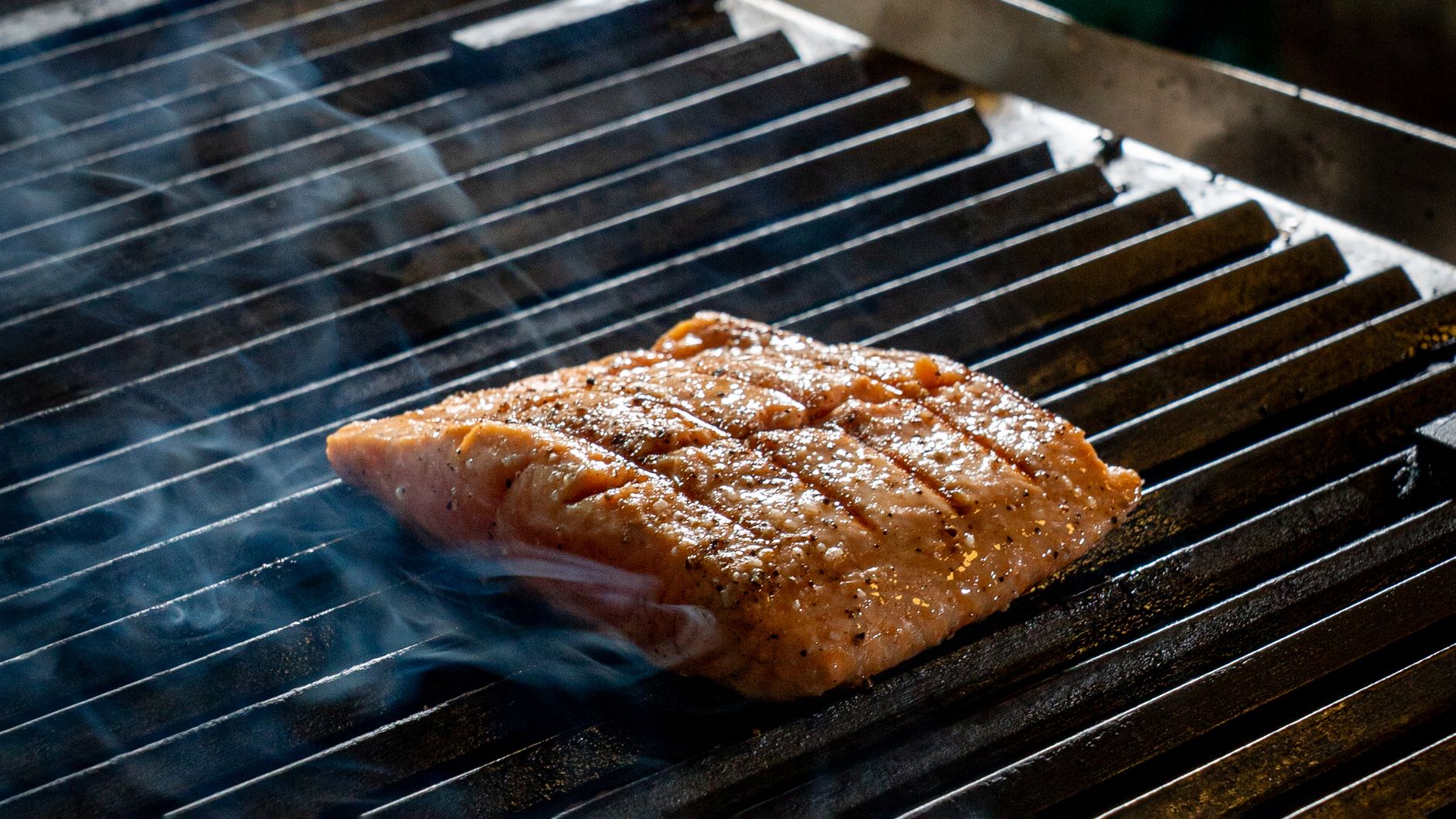
Cooking times must be managed with precision due to the high sugar content present in fermented marinades. Utilizing a heavy cast iron skillet or a preheated baking sheet placed directly under an oven broiler allows the glaze to bubble and char quickly while keeping the interior of the fillet medium rare to medium. Overheating the pan can cause the sugars to scorch and impart a bitter aftertaste, so monitoring the heat level throughout the cooking process is critical. Serving the finished fish alongside simple steamed grains and flash fried greens creates a balanced, nutritionally dense plate that comes together in under 20 minutes from start to finish.
Beyond economic and technical appeal, this cooking method aligns closely with growing consumer preferences for functional, nutrient dense foods. Salmon remains one of the richest dietary sources of omega 3 fatty acids, high quality protein, and essential minerals like selenium and vitamin D. Meanwhile, fermented foods like soybean paste contribute beneficial bioactive compounds and enzymes that support digestive wellness. By combining healthy lipids with fermented plant proteins, home cooks construct meals that satisfy both flavor cravings and modern wellness criteria.
The preservation qualities of fermented marinades also provide practical scheduling advantages for busy households. Fillets coated in a salt rich paste can sit safely in refrigeration for up to 48 hours prior to cooking, allowing consumers to prep weeknight dinners well in advance. This extended shelf life reduces food waste, which remains one of the largest hidden expenses in domestic food management. As working professionals balance tight schedules with healthy eating goals, low effort prep strategies that preserve ingredient integrity are becoming essential tools for modern kitchen management.
For the everyday home cook, integrating fermented glazes into a regular evening routine offers a low risk way to improve dinner quality while controlling kitchen expenses. Professional culinary training or expensive equipment are not required to achieve deep flavor complexity on busy evenings. Keeping a simple tub of fermented soybean paste in the refrigerator, where it stays fresh for months, establishes an instant base for quick glazes, salad dressings, and savory pan sauces.
Replacing one weekly seafood takeout order with a home prepped glazed fillet can save a typical household hundreds of dollars annually without sacrificing the experience of a premium meal. Focus on purchasing high quality fresh or frozen fish, patting the skin dry, and keeping a close eye on the heat to prevent scorching. Mastering this simple balance of sweet, salty, and savory flavors will elevate your cooking confidence while keeping your weekly grocery budget firmly under control.
Sources and methodology
Reported from the public datasets below.
More from the Foodie Pundit Newsroom
- Ready to Drink Cocktails Transform Beverage Retail as Convenience Outpaces Craft Mixology
- TikTok Lobster Tan Trend Leaves Viewers Red and Doctors Pushing Back
- How Viral Grazing Culture Is Reshaping Restaurant Margins and Retail Menus
- Why the Viral Watermelon and Mustard Trend Captivated Consumers and What It Means for Food Retailers
- Social Media Lobster Tan Craze Highlights Persistent Sun Damage Risks