The Science of Lamination: How Professional Chefs Decode the Perfect French Croissant
Top pastry chefs unveil the structural science and thermal control required to achieve bakery quality lamination in home kitchens.
By Foodie Pundit Newsroom - Published - Section: Desserts Snacks
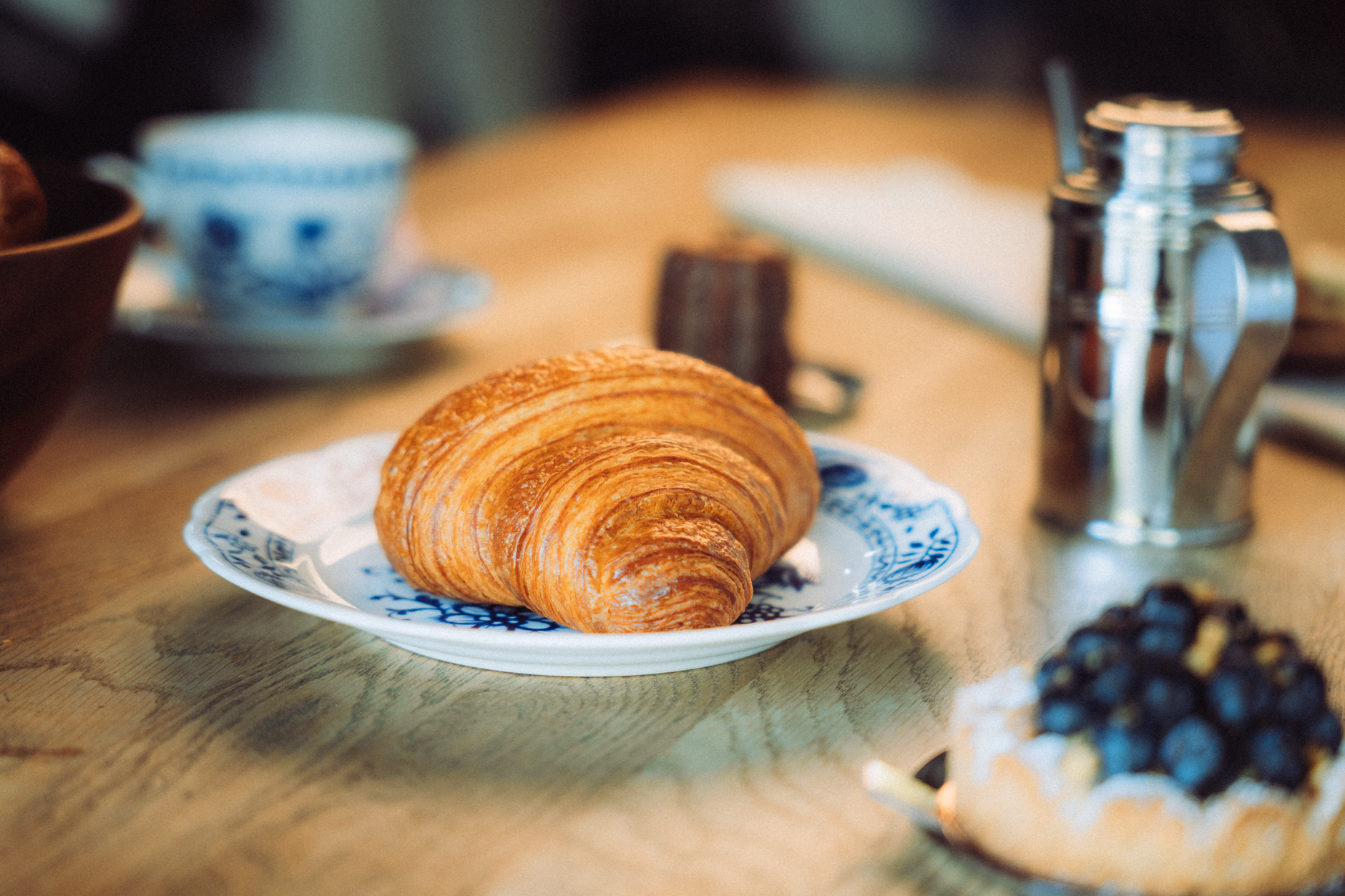
Key points
- Precise temperature alignment between the butter block and dough is essential to prevent fat absorption or brittle fracturing.
- A calculated mix of high protein bread flour and all purpose flour balances structural strength with tender crumb texture.
- Accurate proofing timing ensures dough layers expand sufficiently to trap steam without leaking butter during baking.
THE MASTER CLASS OF THE MODERN LAMINATED DOUGH
Commercial bakeries and artisanal pastry shops have long guarded the precise physics behind the perfect croissant. While home bakers frequently struggle with dense interiors, leaked butter, or uneven lamination, professional pastry chefs are increasingly sharing the structural science required to achieve high-end bakery results in a home setting. Recent insights reported by the Evening Standard highlight how subtle shifts in temperature control, flour selection, and mechanical technique can transform standard home baking into a professional level production.
The modern croissant relies entirely on the precise creation of laminated dough, a process where alternating layers of butter and yeast dough are folded together. When baked, the water content in the butter converts to steam, expanding the gaps between the flour layers while the fat cooks the delicate leaves of dough. Understanding this mechanical process allows bakers to troubleshoot common errors that lead to flat, oily, or tough pastries.
Professional pastry chefs emphasize that temperature management is the single most critical factor in achieving distinct, flaky layers. The butter block and the surrounding dough, known as the detrempe, must maintain identical plastic consistencies during the rolling process. If the butter becomes too warm, it absorbs directly into the flour, resulting in a brioche like bread rather than a layered pastry. Conversely, if the butter is too cold, it breaks into brittle pieces under the rolling pin, causing uneven steam pockets and ruined lamination.
To maintain optimal working conditions, professional kitchens typically maintain chilled marble surfaces and strict resting intervals in commercial refrigeration. Home bakers can mirror this discipline by using ice baths beneath work surfaces or chilling their rolling pins before handling the dough. Resting the dough for extended periods between folds allows the gluten network to relax while keeping the butter fat firmly solidified.
The choice of flour dictates the structural integrity and chew of the final baked product. High protein bread flour provides the gluten strength required to trap expanding steam and hold heavy amounts of butter, while lower protein pastry flour yields a tender, melt in your mouth crumb. Leading pastry experts often recommend a balanced hybrid blend of unbleached bread flour and all purpose flour to achieve structural support without making the interior tough.
Hydration levels also play a central role in how dough behaves during lamination. A dough that is too wet will encourage butter absorption and create excessive steam during baking, leading to collapsed layers. A dough that is too dry will prove difficult to roll out, causing tear points that allow butter to leak onto the baking sheet. Precise weight measurements rather than volumetric cups are considered non negotiable by professional bakers seeking consistent results.
Achieving the iconic honeycomb interior structural pattern requires strict adherence to folding ratios. Most traditional recipes utilize a combination of single letter folds and double book folds to build hundreds of distinct dough and fat layers. Exceeding the optimal number of folds crushes the delicate thin sheets together, while too few folds result in large pockets of fat that melt away during cooking.
Proofing represents the final crucial hurdle before the pastry enters the oven. Over proofed croissants lose their structural tension and collapse, while under proofed pastries leak liquid butter onto the pan because the dough layers have not expanded enough to trap the melting fat. A properly proofed croissant should jiggle slightly when shaken and show clear visual separation of layers along its curved edges prior to egg washing.
The transition from raw laminated dough to a golden brown pastry requires intense, uniform thermal distribution. Professional deck ovens utilize top and bottom heat elements alongside steam injection to set the outer crust before the interior layers expand fully. Home ovens, which frequently suffer from hot spots and draft leakage, require preheating to higher initial temperatures to compensate for heat loss when the oven door opens.
Baking on heavy gauge aluminum pans or baking stones helps distribute heat evenly to the underside of the pastry, preventing burnt bottoms while ensuring the center cooks thoroughly. Allowing the baked croissants to cool completely on wire racks is essential, as the internal structure continues to set through residual steam evaporation long after leaving the oven.
For consumers and home cooks, demystifying professional lamination techniques reduces reliance on mass produced industrial baked goods while elevating home cooking capabilities. Understanding the underlying food science allows individuals to diagnose baking failures accurately and make targeted adjustments to kitchen tools, ingredients, and resting times.
As artisanal baking techniques become more accessible through clear professional guidance, home kitchens can replicate high end bakery quality at a fraction of retail prices. Mastering temperature control, gluten management, and proper proofing timing transforms a complex pastry project into a predictable, repeatable culinary skill that yields superior flavor, texture, and visual presentation.
Sources and methodology
Reported from the public datasets below.
More from the Foodie Pundit Newsroom
- Artisanal Bakery Chains Face Widespread Closures as Operating Costs Surge
- Starbucks Goes Big on Boba Pearls and Social Media Aesthetics for Summer Menu
- 17-Year-Old Regional Restaurant Chain Permanently Shutters Bay Area Outlets
- Plant Based Pastries Gain Commercial Ground as Ingredient Science Closes Quality Gap
- Recent Wave of Restaurant Closures Claims 28 Locations Nationwide