Truffle Poulet and Fusion Menus Drive Spring Restaurant Revenue Growth
Metropolitan dining spots are blending high-end ingredients like truffle with classic staples to boost traffic.
By Foodie Pundit Newsroom - Published - Section: Restaurants
Key points
- Southeast Asian dining hubs are leading a push toward luxury comfort food concepts this May.
- Integrating high-value components like truffles into poultry dishes allows operators to capture higher margins.
- Cross-utilization of specialty ingredients remains essential for mitigating supply chain cost pressures.
- Limited-time seasonal menus effectively generate diner urgency and drive social media engagement.
MAY MENU INNOVATIONS TAKE CENTER STAGE ACROSS SOUTHEAST ASIAN DINING MARKETS
KUALA LUMPUR RESTAURANTS LEAN INTO HIGH-END INGREDIENTS AND FUSION FLAVORS TO ATTRACT DINERS THIS SPRING
The culinary landscape across Southeast Asian metropolitan centers is undergoing a notable shift this May, as premium casual and high-end dining establishments launch ambitious seasonal menus. Restaurant operators in Kuala Lumpur and regional food hubs are increasingly relying on luxury flavor profiles, such as truffle-infused proteins, complex global marinades, and elevated street food concepts to drive foot traffic. A recent industry overview by Lifestyle Asia Kuala Lumpur highlights how top-tier kitchens are navigating shifting consumer expectations by blending classic comfort foods with premium ingredients.
This wave of menu refreshers arrives at a critical juncture for the hospitality industry. Restaurant operators face rising input costs for foundational ingredients, yet consumers remain eager for novel dining experiences that justify discretionary spending. By pairing high-margin specialty items like truffles with approachable staples like fried or roasted chicken, operators can create perceived value without pricing out their core audience. The strategy relies heavily on sensory marketing and visual appeal to captivate diners looking for luxury at accessible price points.
EXPANDING LUXURY ACCENTS ON COMFORT FOOD CLASSICS
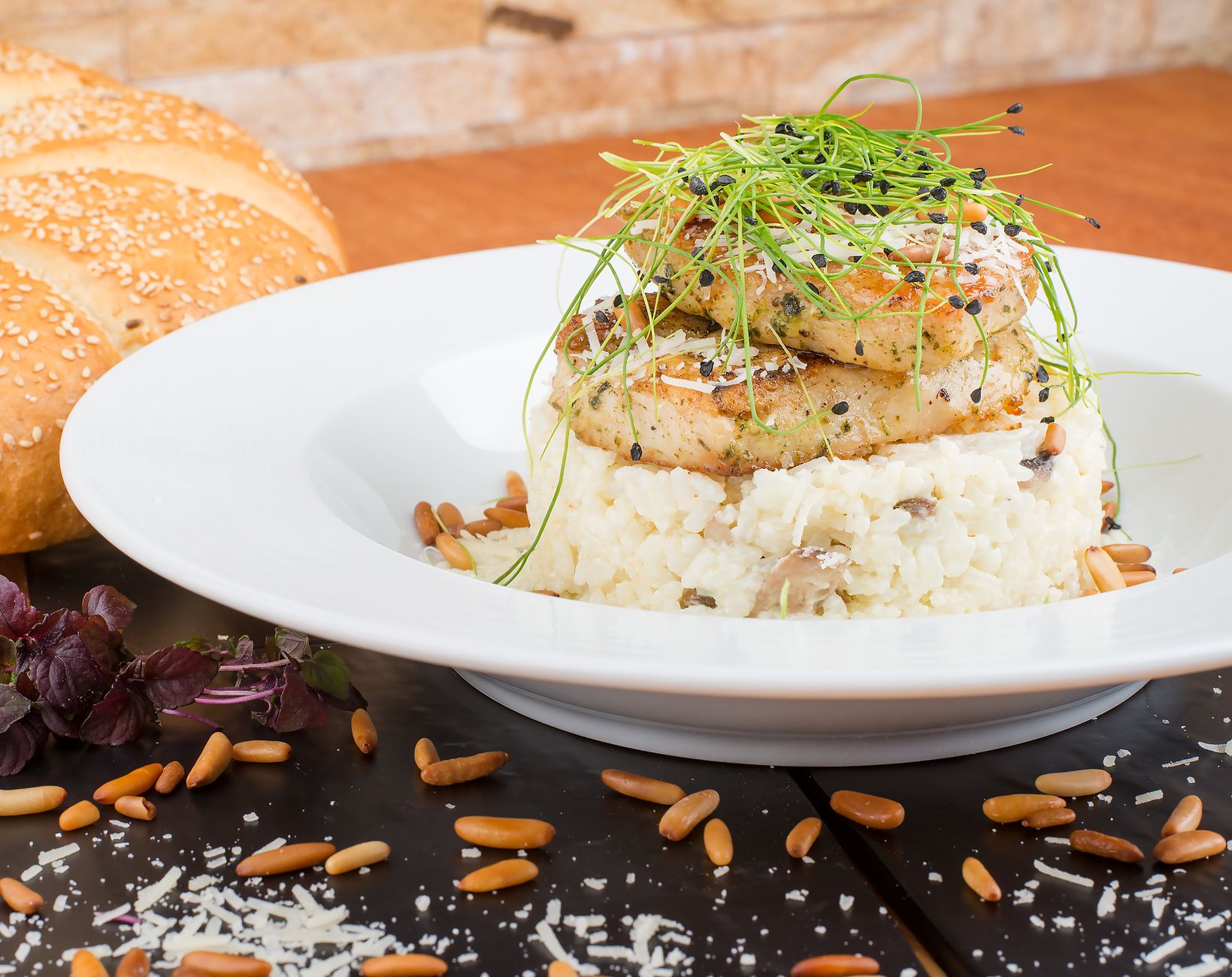
One of the most prominent trends defining current culinary debuts is the integration of premium fungi and earthy aromatics into traditional poultry dishes. Kitchens are incorporating black and white truffle oils, pastes, and fresh shavings into everything from classic roasted chicken to crispy buttermilk fried cutlets. This technique allows chefs to transform familiar, lower-cost protein bases into premium centerpiece offerings that command higher menu prices.
Beyond poultry, culinary teams are experimenting with rich emulsified sauces, wild mushroom reductions, and compound butter to add depth to mid-tier cuts of meat and seafood. Industry analysts note that introducing truffle flavor profiles creates an immediate perception of fine dining, even within casual dining formats. Diners in urban centers like Kuala Lumpur have shown a strong appetite for these rich, aromatic additions, prompting competitive responses across neighboring food markets.
GLOBAL FUSION AND THE EVOLUTION OF LOCAL PALATES
The seasonal menu rollout also showcases an aggressive push toward cross-cultural flavor integration. Operators are increasingly merging traditional Southeast Asian spice matrices with Latin American, Mediterranean, and East Asian cooking techniques. Dynamic marinades featuring fermented chili pastes, citrus glazes, and smoky charred elements are appearing on mainstream menus, reflecting a broader demographic interest in complex taste experiences.
According to reporting by Lifestyle Asia Kuala Lumpur, contemporary diners are looking for dishes that tell a storytelling narrative through flavor contrast. Kitchens are responding by pairing sweet and savory elements, such as hot honey coatings on savory meats or fruit-infused reductions over charred proteins. This focus on taste complexity helps restaurants differentiate their brand identity in crowded dining districts where novelty plays a large role in attracting foot traffic.
OPERATIONAL ADAPTATION AMONG PREMIUM RESTAURANTS
Behind the scenes, the execution of these complex May menus requires careful kitchen planning and supply chain management. Procurement teams must secure reliable access to imported specialty goods like European truffles, artisanal cheeses, and specialty spices while keeping domestic inventory stable. Managing these high-value inventory items demands precise portion control and minimal kitchen waste to protect operating margins.
To streamline kitchen operations, many restaurants are utilizing multi-purpose prep bases that can serve several menu items simultaneously. A single truffle-infused cream or compound butter, for instance, might be applied to a signature chicken entree, a pasta course, and an appetizer side dish. This cross-utilization of high-end ingredients allows management to minimize spoilage risks while maintaining consistency across the entire service line.
MARKETING STRATEGIES AND DIGITAL DINER ENGAGEMENT
The visual presentation of these seasonal dishes plays an equally vital role in their commercial success. Operators are designing menu items specifically to generate visual interest on social media platforms, knowing that vibrant colors and dramatic sauce pours drive digital engagement. The inclusion of recognizable premium ingredients in dish names also serves as an effective search optimization tool for online reservation platforms.
Promotional campaigns around these May menu drops often feature limited-time availability to build a sense of urgency among local food enthusiasts. By marketing dishes as exclusive seasonal offerings, restaurants can create artificial scarcity that encourages immediate bookings. This strategy has proven particularly effective in competitive dining hubs, where customer loyalty often hinges on a venue ability to continuously innovate its food lineup.
For everyday diners, the current wave of menu innovations means access to luxury flavors without necessarily paying top-tier fine dining prices. You can expect to see an increasing number of your favorite casual and upscale-casual spots offering truffle-infused options, complex fusion sauces, and elevated comfort foods throughout the season. Evaluating these offerings based on ingredient transparency and portion value can help you enjoy high-end dining trends while staying within your personal entertainment budget.
For restaurant operators, the trend underscores the necessity of balancing culinary creativity with strict cost accounting. Incorporating high-margin luxury accents into high-volume staple dishes remains one of the most effective strategies for driving sales growth in a tight economic environment. Success in today market requires a clear understanding of consumer willingness to pay for premium culinary experiences, backed by seamless operational execution in the kitchen.
Sources and methodology
Reported from the public datasets below.
More from the Foodie Pundit Newsroom
- Mid-Year Menu Drops Signal Shift Toward Accessible Indulgence Across Urban Dining Rooms
- How Miso Chocolate Tarts Reflect a Broader Shift in Restaurant Economics
- Houston Sichuan Staple Abruptly Shuts Doors Amid Mounting Liabilities
- Mid-Year Menu Drops Signal Strategic Shift in Upscale Dining Economics
- Big-Box Retailers Overhaul Digital Apps and Food Aisles to Secure Gen Z Shoppers