Vertical Farming Emerges as a Sustainable Buffer for Restaurant Supply Chains
Indoor agricultural systems are rapidly scaling up to deliver hyper-local, pesticide-free produce directly to urban restaurant kitchens and distributors.
By Foodie Pundit Newsroom - Published - Updated - Section: Sustainability
Key points
- Vertical farms utilize up to ninety-five percent less water and require zero chemical pesticides compared to traditional outdoor agriculture.
- Locating growing facilities near urban centers drastically reduces transit times, extending product shelf life for restaurant kitchens.
- High energy costs currently restrict vertical farm production primarily to high-value leafy greens, herbs, and specialty produce.
- Direct contracts between restaurant groups and indoor farms offer predictable pricing and protect operators from weather-driven supply shocks.
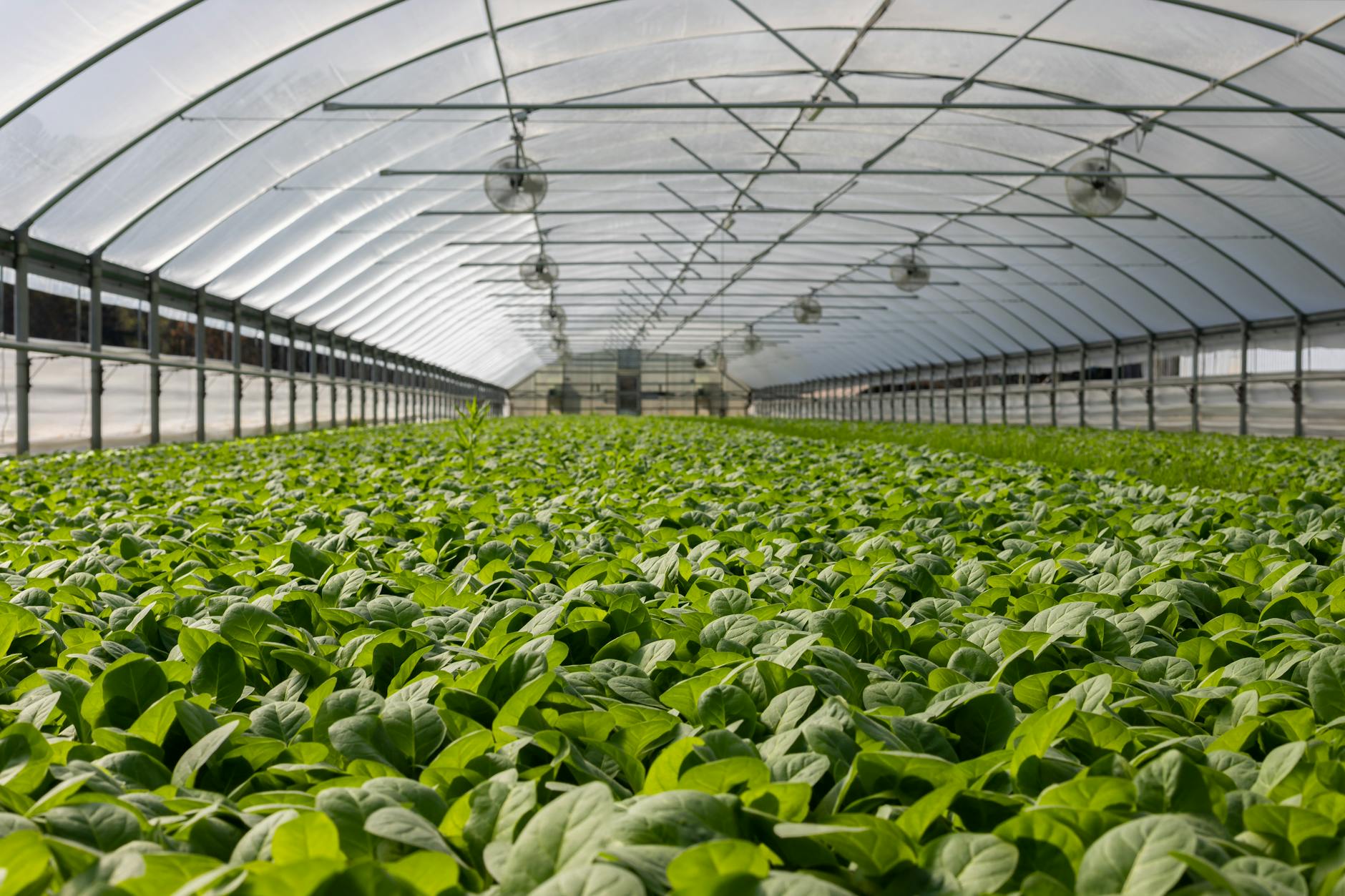
The global restaurant industry is facing unprecedented supply chain volatility, driven by shifting weather patterns, rising freight costs, and land scarcity. In response to these lingering pressures, commercial kitchens and wholesale produce buyers are turning their attention toward indoor agriculture. Vertical farming, a method of growing crops in stacked layers within controlled indoor environments, is rapidly transitioning from an experimental technology into a vital pillar of the modern food supply chain.
According to reporting by FarmingUK, the shift toward indoor cultivation represents a fundamental reimagining of how fresh produce reaches urban centers. By utilizing advanced LED lighting, precise climate controls, and closed-loop hydroponic or aeroponic systems, vertical farms can operate continuously regardless of external weather conditions. This level of reliability is proving particularly attractive to hospitality operators who require consistent volume, uniform quality, and predictable contract pricing for essential greens and herbs.
Traditional agricultural supply chains often require fresh produce to travel thousands of miles from rural farms to city distribution centers before reaching restaurant kitchens. This long distribution leg introduces significant room for spoilage, transit delays, and price fluctuations driven by fuel costs. Vertical farming effectively solves the distance problem by locating production facilities directly inside or immediately adjacent to major metropolitan areas.
By bringing production closer to the end consumer, vertical farms dramatically reduce transit times from days to hours. For restaurant operators, this proximity translates into significantly longer shelf life for delicate crops like microgreens, basil, and baby spinach. Less time spent in refrigerated trucks means lower spoilage rates in walk-in coolers, directly benefiting a kitchen bottom line that is already squeezed by rising labor and overhead costs.
The ecological advantages of indoor growing systems are equally compelling for an industry facing increased scrutiny over its environmental footprint. Traditional outdoor farming requires vast tracts of arable land and immense quantities of water, much of which is lost to evaporation or runoff. In contrast, vertical farms stack growing trays vertically, multiplying the output per square foot of land by dozens of times compared to conventional field agriculture.
Furthermore, closed-loop irrigation systems inside these facilities recirculate water and nutrients, allowing vertical farms to use up to ninety-five percent less water than traditional farms. Because these environments are completely sealed away from outdoor pests, growers can eliminate the use of chemical pesticides and herbicides entirely. This operational profile allows restaurants to source certified pesticide-free produce while lowering their indirect scope three carbon emissions through reduced transportation requirements.
Despite the obvious environmental and logistical benefits, vertical farming faces economic realities that shape its integration into the food service industry. High capital expenditures for facility construction, alongside significant energy costs required to power artificial lighting and climate control systems, currently limit the types of crops that can be grown profitably indoors. High-value, fast-growing leafy greens, herbs, and edible flowers remain the core financial drivers for these facilities.
As sensor technology improves and energy efficiency increases, growers are gradually expanding their crop portfolios to include strawberries, dwarf tomatoes, and specialized root vegetables. For high-end dining establishments and fast-casual chains alike, securing a stable supply of these high-margin ingredients at fixed prices provides critical protection against market spikes caused by outdoor droughts, frosts, or regional disease outbreaks.
The commercial maturation of vertical farming is giving rise to direct partnerships between indoor growers and regional restaurant groups. Rather than buying through broadline distributors, some restaurant chains are establishing dedicated supply agreements with local vertical farms to secure custom seed varieties tailored specifically to their menu specifications. This level of customization ensures that chefs receive produce grown for optimal flavor and texture rather than durability during long haul transit.
While vertical farming is not intended to replace broadacre agriculture for staple crops like wheat, corn, or soybeans, its role in fresh produce supply chains is expanding rapidly. As urban populations grow and traditional agricultural regions face intensifying climate stresses, indoor controlled-environment agriculture offers a scalable buffer for the food service sector. Restaurants that integrate indoor grown produce into their supply chains stand to gain a competitive edge through superior freshness, supply stability, and enhanced sustainability credentials.
For restaurant operators and procurement professionals, the expansion of vertical farming offers a practical roadmap for mitigating supply chain risks. As local indoor facilities achieve greater scale, kitchen managers can expect increased availability of ultra-fresh produce with superior shelf life, reducing food waste in daily prep operations. Engaging with local vertical farm vendors allows operators to lock in fixed contract pricing, shielding menu margins from the volatile price spikes common in traditional open-field agriculture.
For everyday diners, the growth of indoor farming means access to fresher, flavor-rich greens and produce year-round, regardless of regional seasonality. Menu items featuring locally harvested indoor crops carry a smaller carbon footprint and zero pesticide residue, aligning with consumer demand for sustainable dining options. Over time, as production costs continue to fall, diners can expect high-quality local produce to become a standard expectation across both casual and fine dining establishments.
Sources and methodology
Reported from the public datasets below.
More from the Foodie Pundit Newsroom
- The Girl Dinner Debacle: Inside the Viral Snack Plate Trend Transforming Mealtime
- Plant Based Meat Maker Rolls Out Formulated Product Line to Supermarkets Nationwide
- How Viral Cooking Trends Are Ruining Everyday Cookware and Changing Kitchen Economics
- Grocery Inflation Cools but Key Staples Show Mixed Trends Across Supermarket Aisles
- Fresh Kitchen Appears Destined for Heritage Harbour, According to Leasing Plans