Foodie Pundit

Vintage Three Bean Salad Goes Viral as Economic Pressures Drive Pantry Cooking

A mid-century potluck staple is taking social media by storm as shoppers seek out affordable, high-protein meal options.

By Foodie Pundit Newsroom - Published - Updated - Section: Social Virality
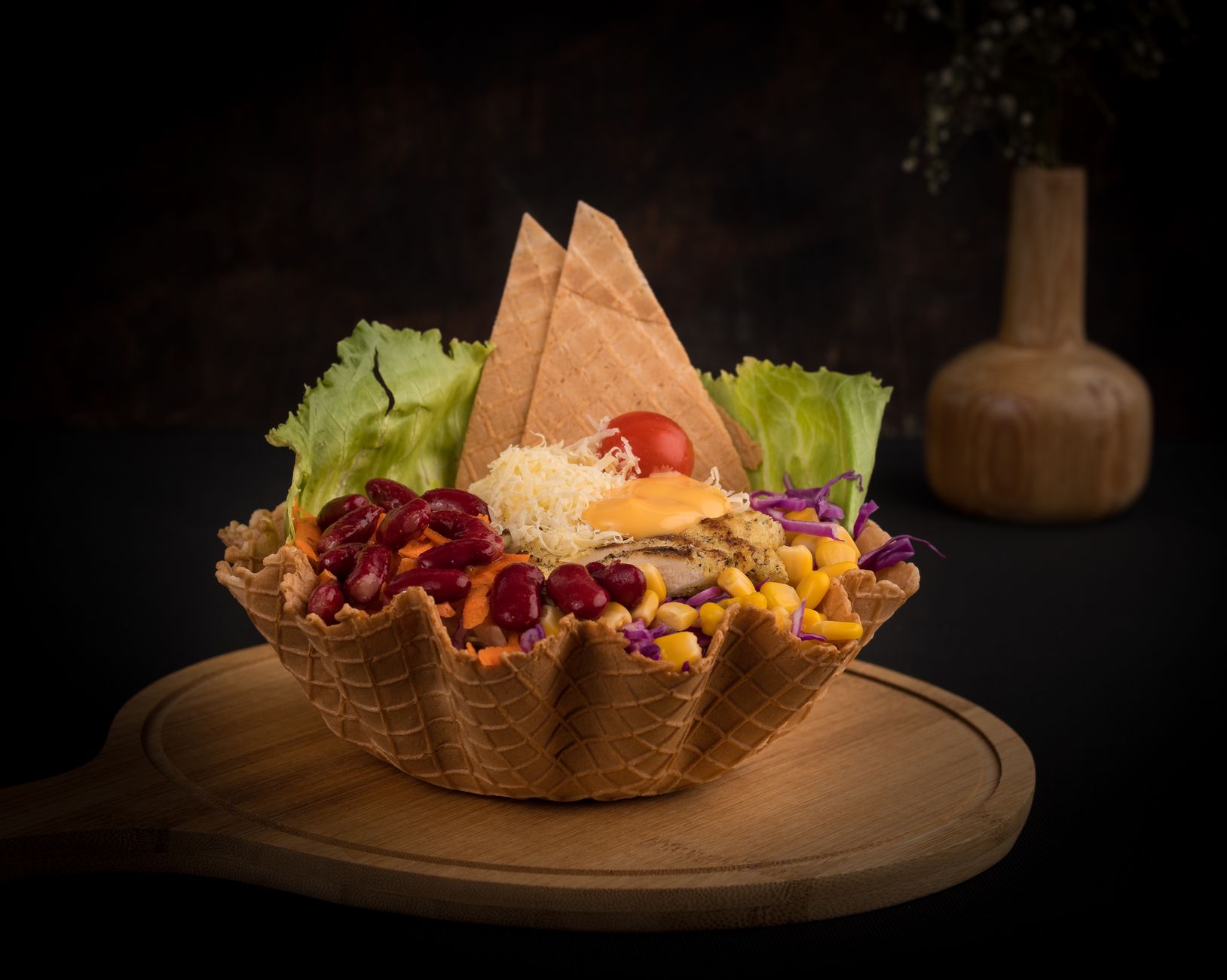
Vintage Three Bean Salad Goes Viral as Economic Pressures Drive Pantry Cooking

Key points

  • A mid-century bean salad recipe is trending on short form video platforms like TikTok, propelled by younger creators.
  • Economic pressures and elevated grocery prices are driving consumers toward affordable, shelf-stable protein sources like canned legumes.
  • Modern updates to the recipe swap sweet canned marinades for fresh herbs, citrus, and extra virgin olive oil.
  • Grocery retailers and restaurant operators are capitalizing on the trend to boost margins and drive sales of low-cost pantry staples.

Social media feeds are currently inundated with videos of home cooks tossing together colorful legumes, diced vegetables, and tangy vinaigrettes. The viral phenomenon, which gained momentum across short form video platforms over recent weeks, has captured the attention of millions of younger consumers. However, hospitality analysts and culinary historians note that this trend is far from a novel creation. The dish dominating digital feeds is a direct descendant of the classic three bean salad that graced mid-century American dinner tables and potlucks for generations.

According to reporting by Telex, the sudden resurgence of this vintage staple highlights a broader shift in consumer dining habits. Younger shoppers are actively seeking out low cost, high protein meals that can be prepared in bulk without specialized equipment. The simple combination of canned beans, fresh herbs, and oil based dressings fits these criteria perfectly. As inflationary pressures continue to squeeze household food budgets, the economic appeal of shelf stable pantry staples has elevated humble home cooking concepts into viral internet hits.

The three bean salad first earned widespread popularity in the United States during the middle of the twentieth century. Early versions typically relied on canned green beans, wax beans, and kidney beans, tossed in a sweet and sour marinate made from vinegar, sugar, and vegetable oil. The dish became an enduring feature of mid-century community gatherings because it was inexpensive, resistant to spoilage at room temperature, and easy to make ahead of time. Over the decades, as fresh produce became more accessible, the recipe faded into the background of mainstream food culture, often dismissed as an outdated relic of church basements and casual cafeterias.

The modern iteration circulating on social media retains the essential architecture of its predecessor while incorporating contemporary flavor profiles. Creators are swapping out sugary canned marinades for fresh lemon juice, extra virgin olive oil, and herbs like cilantro or dill. Modern variations frequently feature chickpeas, black beans, edamame, and diced bell peppers, creating a crunchier texture and brighter visual appeal. Despite these aesthetic updates, the fundamental appeal of the dish remains unchanged from its mid-century roots, relying on acid, salt, and plant based protein to deliver a satisfying, durable meal.

The rapid adoption of vintage bean salads reflects clear financial realities facing modern food shoppers. Grocery store prices for fresh meat, poultry, and dairy products have remained elevated, prompting budget conscious consumers to search for alternative protein sources. Canned legumes represent one of the most cost effective nutritional options available in the retail food market today, providing essential fiber and protein at a fraction of the cost per serving compared to animal products. By focusing on pantry staples, home cooks can prepare multiple days worth of meals for under ten dollars.

Beyond raw ingredient costs, the labor efficiency of the bean salad appeals to time poor consumers. The recipe requires no actual cooking, reducing energy consumption and prep time to just a few minutes of chopping and opening cans. Furthermore, unlike delicate leafy greens that wilt quickly after dressing, legumes actually absorb flavors over time without losing their structural integrity. This long shelf life makes the dish an ideal candidate for batch meal preparation, reducing food waste at home while providing predictable weekday lunches.

The online popularity of bean salads is already beginning to influence inventory trends and menu development across the food industry. Specialty grocery stores and regional supermarket chains report increased demand for canned legumes, specialty vinegars, and fresh produce items commonly featured in viral videos. Retail merchandisers are increasingly positioning canned beans alongside premium olive oils and artisanal vinegars to capitalize on cross category purchasing. This shift demonstrates how digital food trends can drive tangible volume gains in historically low margin grocery aisles.

Casual dining restaurants and fast casual chains are taking notice of the trend as well. Operators looking to manage rising food costs are re-examining heritage recipes that utilize low cost, shelf stable ingredients. Incorporating modernized bean salads into cold salad bars, catering menus, and grab and go display cases allows operators to offer high margin, plant forward items that align with current consumer preferences. As culinary nostalgia continues to intersect with economic necessity, industry observers expect more retro, pantry focused dishes to make a return to commercial menus in the coming quarters.

For everyday shoppers and home cooks, the bean salad trend offers a practical blueprint for managing rising food expenses without sacrificing nutrition or flavor. Incorporating versatile canned legumes into your weekly meal planning allows you to stretch your grocery budget while reducing the time spent preparing meals during busy weekdays. The inherent flexibility of the recipe means you can easily adapt it using whatever fresh vegetables, spices, or vinegars you already have in your kitchen, minimizing potential food waste.

For restaurant operators and food business owners, this surge in interest signals an opportunity to refresh menu offerings with budget friendly, high margin side dishes. Tapping into nostalgic, vintage recipes with modern flavor updates allows establishments to satisfy consumer demand for healthy, plant based options while keeping input costs under control. Watching digital food trends closely can reveal simple, cost effective menu additions that resonate with cost conscious diners seeking both value and quality.

Sources and methodology

Reported from the public datasets below.

All sources Foodie Pundit reports from

More from the Foodie Pundit Newsroom

Permalink