Viral Butter Board Trend Transforms Simple Fats into High-Margin Restaurant and Retail Winners
Social media enthusiasm for creative dairy spreads is driving strong sales for specialty creameries and reshaping restaurant appetizer menus nationwide.
By Foodie Pundit Newsroom - Published - Updated - Section: Agriculture Supply
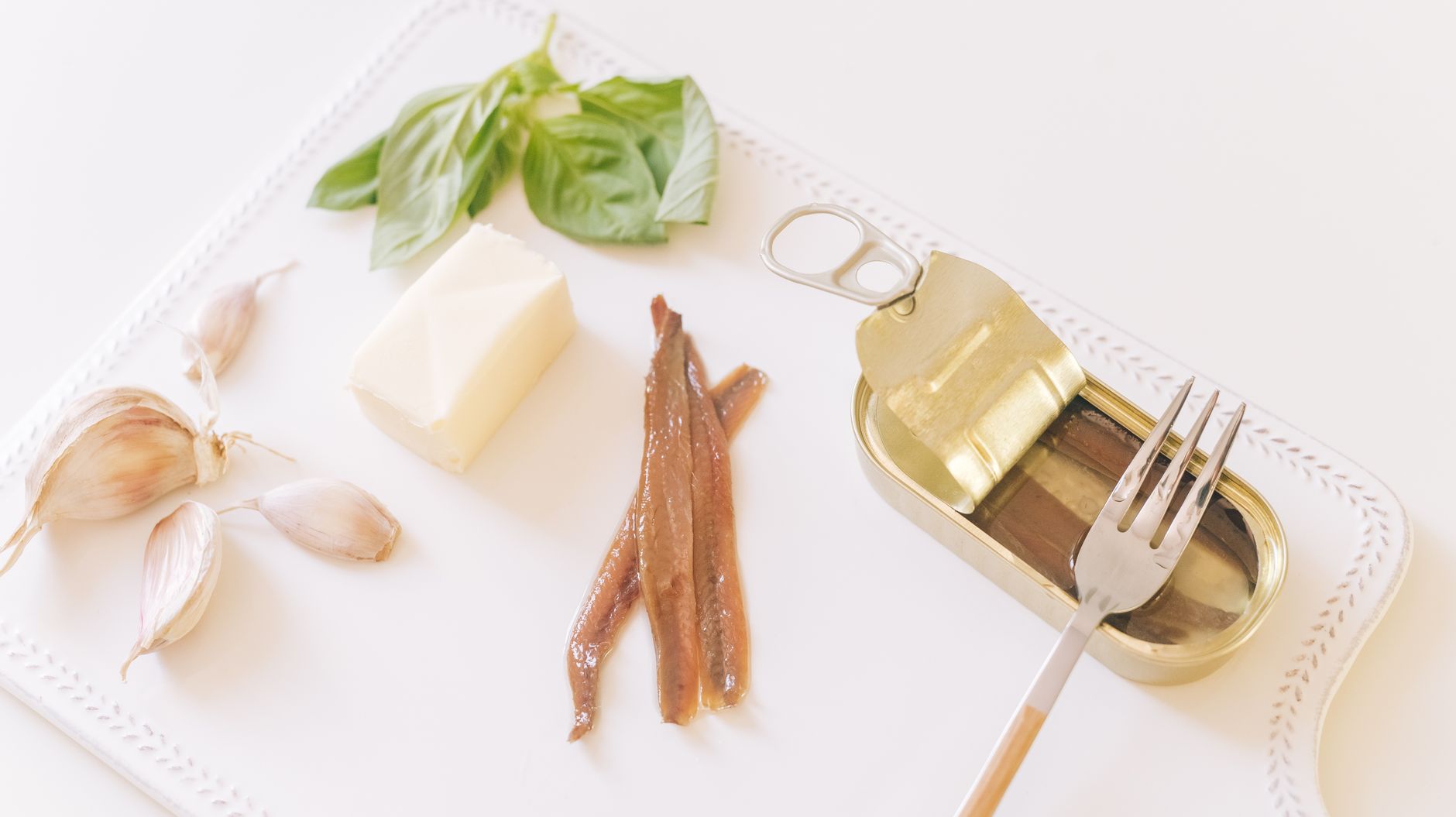
Key points
- Social media momentum has transformed classical compound butter into a major communal dining trend.
- Specialty creameries and European butter brands are seeing increased demand for high-fat dairy.
- Restaurants are leveraging the trend to offer visually striking appetizers with high profit margins.
- Operational considerations like sanitation and temperature control remain crucial for commercial menus.
The viral food phenomenon known as the butter board has swept across social media feeds, transforming a basic kitchen staple into an elaborate centerpiece for modern entertaining. As originally highlighted by reporting from The Independent, the trend involves smearing softened butter across a wooden board, topping it with various sweet or savory ingredients, and serving it with crusty bread. This viral presentation style has rapidly eclipsed traditional charcuterie, creating a fresh avenue for home cooks and culinary professionals to showcase texture, color, and flavor.
Beyond its visual appeal, the butter board phenomenon represents a broader shift in consumer entertaining habits and dairy consumption patterns. What began as a creative TikTok post has quickly evolved into a lucrative marketing opportunity for artisan dairy producers, specialty food retailers, and restaurant operators looking to modernize their appetizer menus. Understanding the mechanics behind this trend reveals how digital viral momentum directly influences food supply chains and dining room presentation.
The concept of high-end compounded butter is far from new, as classical French technique has long relied on compound fats to elevate finished dishes. However, the physical presentation of spreading softened butter on a rustic board for communal dipping gained widespread popularity through contemporary social media creators. The style relies on visual contrast, using vibrant toppings like edible flowers, flaky sea salt, cracked black pepper, microgreens, and drizzled honey against a creamy yellow background.
The Independent noted that the trend quickly expanded beyond simple breakfast spreads into complex, multi-layered flavor profiles. Home chefs and professional line cooks alike began experimenting with roasted garlic, chili crisp, toasted nuts, and preserved citrus. As the format matured, variations using alternative bases like labneh, ricotta, goat cheese, and plant-based fats began appearing, proving that the underlying appeal lies in the communal, interactive nature of the serving method rather than just the butter itself.
The rapid rise of butter boards has provided a notable boost to premium butter manufacturers and artisan creameries. Standard commercial butter often lacks the fat content and depth of flavor required for a dish where the fat is the primary ingredient. Consequently, consumers driving this trend actively seek out European-style cultured butter, which boasts a higher butterfat percentage and a distinct, tangy profile.
Retail data indicates that high-end dairy brands are capturing a larger share of consumer grocery budgets during holiday and entertaining seasons. Specialty retailers have reported increased sales of imported European slabs and small-batch domestic cultured fats. By positioning butter as the centerpiece rather than a secondary ingredient, the trend allows producers to command higher price points and introduce shoppers to premium product categories they might otherwise bypass.
For commercial restaurant operators, adopting viral trends like the butter board presents both opportunities and operational challenges. Appetizer menus thrive on high-margin, low-labor items that encourage shared dining experiences. A butter board utilizes relatively inexpensive raw ingredients while offering an impressive visual footprint, allowing kitchens to price the dish at a premium markup while maintaining low food cost percentages.
However, back-of-house execution requires strict attention to food safety and speed of service. Kitchen staff must maintain precise temperature control, ensuring the spread remains soft enough for dipping without melting or breaking down under heat lamps. Additionally, operators must navigate sanitation considerations regarding wooden boards, often opting for food-safe slates, non-porous composites, or ceramic platters to meet commercial health code standards while preserving the rustic aesthetic.
The rapid spread of the butter board highlights the power of short-form video content in dictating consumer food preferences. Platforms like TikTok and Instagram prioritize high-contrast visuals, textural audio, and simple step-by-step demonstrations. Spreading soft butter with a offset spatula provides a satisfying sensory experience that translates exceptionally well to digital screens, driving high engagement rates and organic sharing.
Food brands and grocery chains have responded by creating targeted promotional campaigns around the trend. Supermarkets have featured coordinated end-cap displays featuring specialty bread, gourmet sea salts, high-end fats, and stylish wooden boards. By capitalizing on real-time internet culture, retailers and restaurants can drive impulse purchases and generate immediate sales lift without lengthy product development cycles.
For everyday consumers and home entertainers, the rise of the butter board offers an accessible, highly customizable alternative to expensive cured meat and cheese platters. Building an impressive spread requires minimal technical culinary skill, making it an ideal option for hosts looking to serve visually striking food on a reasonable budget. Experimenting with different salt varieties, local honey, and seasonal herbs allows you to elevate simple grocery store ingredients into a memorable gathering centerpiece.
From an industry perspective, the trend signals a continued consumer appetite for shared, interactive dining experiences. Restaurant patrons should expect to see more creative fat-based spreads, elevated bread services, and communal platters appearing on local appetizer menus. Whether you choose to make one at home or order a professional variation at a local bistro, the butter board proves that simple comfort foods can achieve extraordinary cultural and economic impact through thoughtful presentation.
Sources and methodology
Reported from the public datasets below.
More from the Foodie Pundit Newsroom
- Pringles Mystery Flavor Drop Highlights Strategy Behind Limited Time Snack Launches
- How viral snack plates are reshaping grocery carts and restaurant menus
- Restaurant Sector Faces Mounting Bankruptcies as Labor and Food Costs Outstrip Revenue
- Rizzuto Prime, An Italian-Influenced Steakhouse, Slated for Downtown New Orleans
- How Viral Butter Boards Are Transforming Restaurant Appetizer Economics