Viral Grazing Trend Reclaims Social Media Spotlights as Consumer Dining Habits Shift
The viral social media phenomenon focused on low effort grazing plates is showing remarkable staying power, shifting how consumers shop for groceries and order
By Foodie Pundit Newsroom - Published - Section: Social Virality
Key points
- Social media metrics show a massive second wave of interest in casual snack plate meals.
- Rising food prices and busy lifestyles continue to drive consumers away from traditional three meal schedules.
- Grocery retailers and restaurant chains are adjusting inventory and menus to cater to grazing preferences.
- The trend reflects broader economic strategies aimed at reducing food waste and stretching grocery budgets.
The viral internet phenomenon known as girl dinner has surged back into the public consciousness across major short form video platforms. What started in mid 2023 as a lighthearted celebration of low effort, snack based meals has evolved into a persistent cultural milestone that continues to influence consumer dining behavior. Social media analytics show a renewed spike in view counts, search volume, and user submissions centered on these cobbled together plates.
Reporting from Today.com highlights how the trend has managed to retain its staying power despite the rapid turn of digital media cycles. Rather than fading into obscurity like many short lived internet fads, the concept has reinvented itself for a new wave of users. Creators are uploading fresh variations that range from traditional cheese and charcuterie assemblies to hyper specific, quirky combinations of convenience foods.
The sustained popularity of girl dinner points to broader shifts in how young consumers approach meal preparation, grocery shopping, and time management. Restaurant industry operators initially viewed the trend as a quirky digital novelty, but many now recognize it as a manifestation of changing consumer needs. Busy schedules, rising food costs, and the breakdown of strict three meal daily schedules have made casual snacking an appealing substitute for traditional cooking.
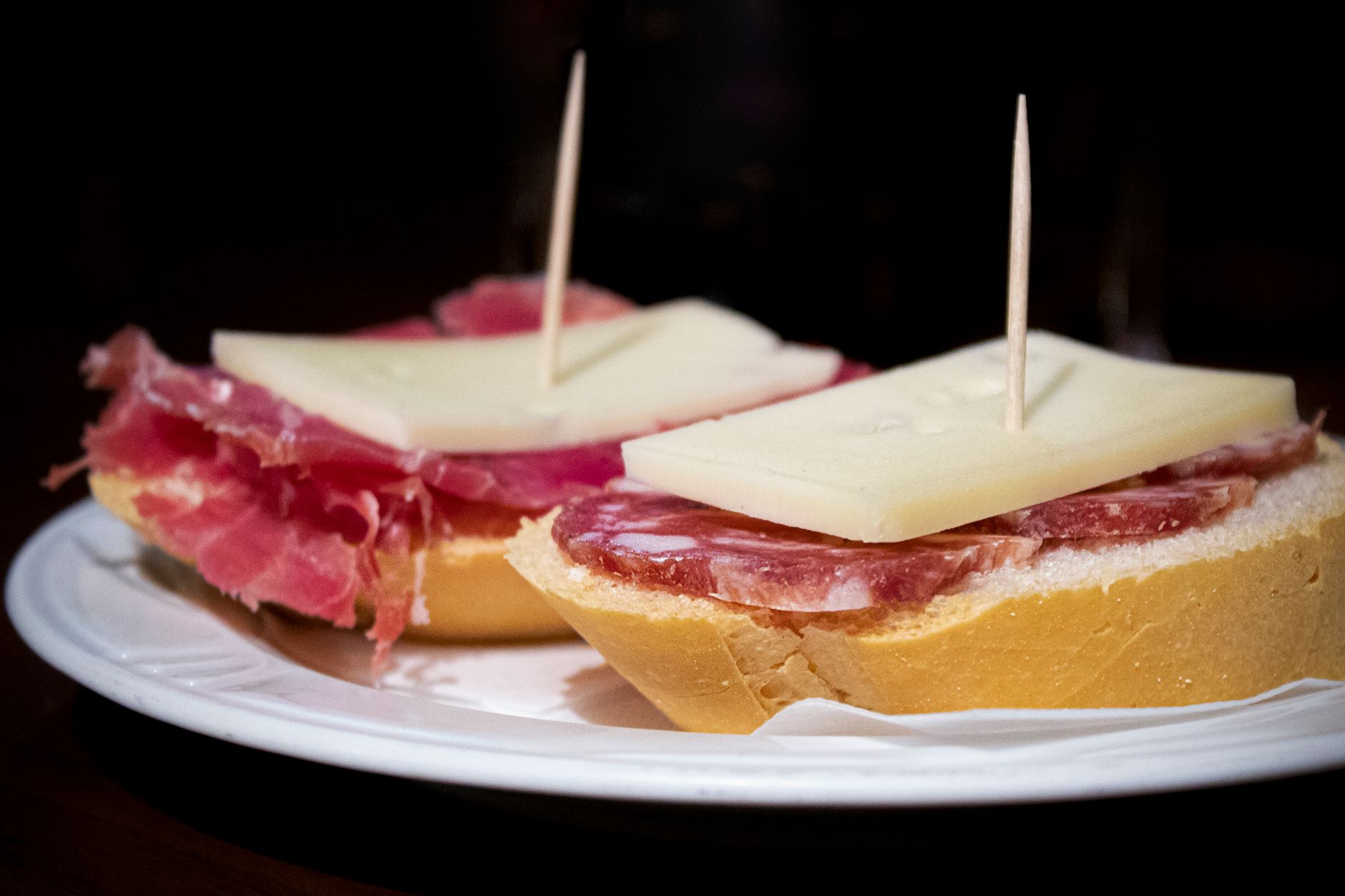
The core appealing factor remains its utter lack of rules or expectations. A typical plate might feature a handful of grapes, a scoop of hummus, a few slices of salami, and leftover takeout items served on a single board or plate. This assembly style approach eliminates the stress of cooking while providing a highly visual, customizable, and satisfying dining experience that resonates particularly well with younger demographics.
ECONOMIC DRIVERS BEHIND SNACK BASED MEALS
Macroeconomic factors play a significant role in fueling the second wave of this culinary movement. Persistent inflation in food prices has led many households to reevaluate their kitchen spending and meal planning strategies. As consumers look for ways to minimize food waste and stretch their weekly grocery budgets, assembling random ingredients already present in the refrigerator has become a practical economic choice.
Food industry analysts note that this shift directly benefits grocery store perimeter categories, including packaged deli meats, specialty cheeses, fresh produce, and bakery goods. Rather than purchasing specialized ingredients for complex, multi step recipes, consumers are buying versatile snack items that can be rearranged into different low effort meals throughout the week. This purchasing pattern has forced retail buyers to reconsider how they stock and market small portion items.
packaged food manufacturers and dining establishments have taken notice of this persistent consumer behavior. Several fast casual restaurant chains and grocery brands have begun testing menu items and product bundles specifically designed to mirror the variety and convenience of snack plates. Charcuterie boards, tapas style small plates, and customizable snack trays are appearing more frequently on casual dining menus nationwide.
Marketing departments are also leaning heavily into the trend to drive digital engagement and retail sales. Brands that produce crackers, spreads, preserved meats, and specialty pickles have seen measurable engagement lifts by aligning their promotional content with the viral social media discourse. By validating the concept of no cook dining, these brands are effectively lowering the barrier for consumers to purchase premium impulse items during routine grocery runs.
Beyond the economic implications, the enduring appeal of this eating style taps into a psychological desire for convenience and stress reduction. Traditional cooking often carries an expectation of balanced nutrition, extensive prep work, and burdensome cleanup. The social media movement bestows cultural validation on simpler, unpretentious eating habits that prioritize immediate satisfaction over rigid culinary standards.
Psychologists and food sociologists suggest that sharing these unvarnished meals online creates a sense of community and shared experience among users. By displaying imperfect, highly personalized food arrangements, creators push back against the curated perfection that often dominates food media. This authenticity serves as a powerful engagement engine, keeping the conversation active across video sharing platforms and digital communities.
As the trend continues to demonstrate longevity, food intelligence experts predict that the underlying concept will become permanently integrated into mainstream dining culture. The lines between snack time and mealtime are blurring faster than ever before. Food manufacturers are likely to accelerate the development of pre packaged, highly varied snack trays that cater directly to consumers seeking quick, low effort dining solutions.
Restaurant operators are similarly expected to expand their small plate offerings and customizable sampler menus to capture diners who prefer grazing over heavy entrees. The success of this digital movement demonstrates that modern consumers value flexibility, speed, and variety above traditional dining formats, presenting both challenges and opportunities for the broader food industry moving forward.
For the average consumer, the resurgence of this trend offers permission to embrace flexible, stress free dining without feeling guilty about skipping traditional meal preparation. It provides a creative way to reduce household food waste by utilizing leftover ingredients and pantry staples that might otherwise be forgotten in the back of the refrigerator.
From a financial standpoint, leaning into snack plates can help manage grocery expenses during periods of high food inflation. By purchasing versatile, individual components rather than expensive single use recipe ingredients, shoppers can maintain variety in their daily diets while keeping overall kitchen expenditures under control. Expect to see more retail promotions and menu options tailored to this grazing style in the months ahead.
Sources and methodology
Reported from the public datasets below.
More from the Foodie Pundit Newsroom
- viral Girl Dinner Trend Returns as Economic Pressures Reshape Modern Dining Habits
- Summer Grazing Culture Returns As Consumers And Restaurants Embrace Low-Effort Dining
- Casual Dining Footprints Shrink as National Chain Eliminates 28 Underperforming Locations
- Legacy Fast Food Chains Face Mounting Closures as Economic Pressures Reshape the Industry
- Fast Food Icon Closures Signal Broad Economic Shift Across Quick Service Industry