Viral TikTok Pasta Recipes Reshape Global Food Trends and Dining Economics
Viral social media recipes are disrupting traditional fine dining hierarchies as consumer preferences shift toward accessible, highly visual comfort foods.
By Foodie Pundit Newsroom - Published - Updated - Section: Luxury Dining
Key points
- Social media algorithms are replacing traditional culinary gatekeepers like Michelin guides in setting global food preferences.
- Viral recipe trends generate immediate economic impacts, causing localized supply chain shortages for key ingredients.
- Professional restaurants are increasingly engineering menu items specifically for visual appeal and social media shareability.
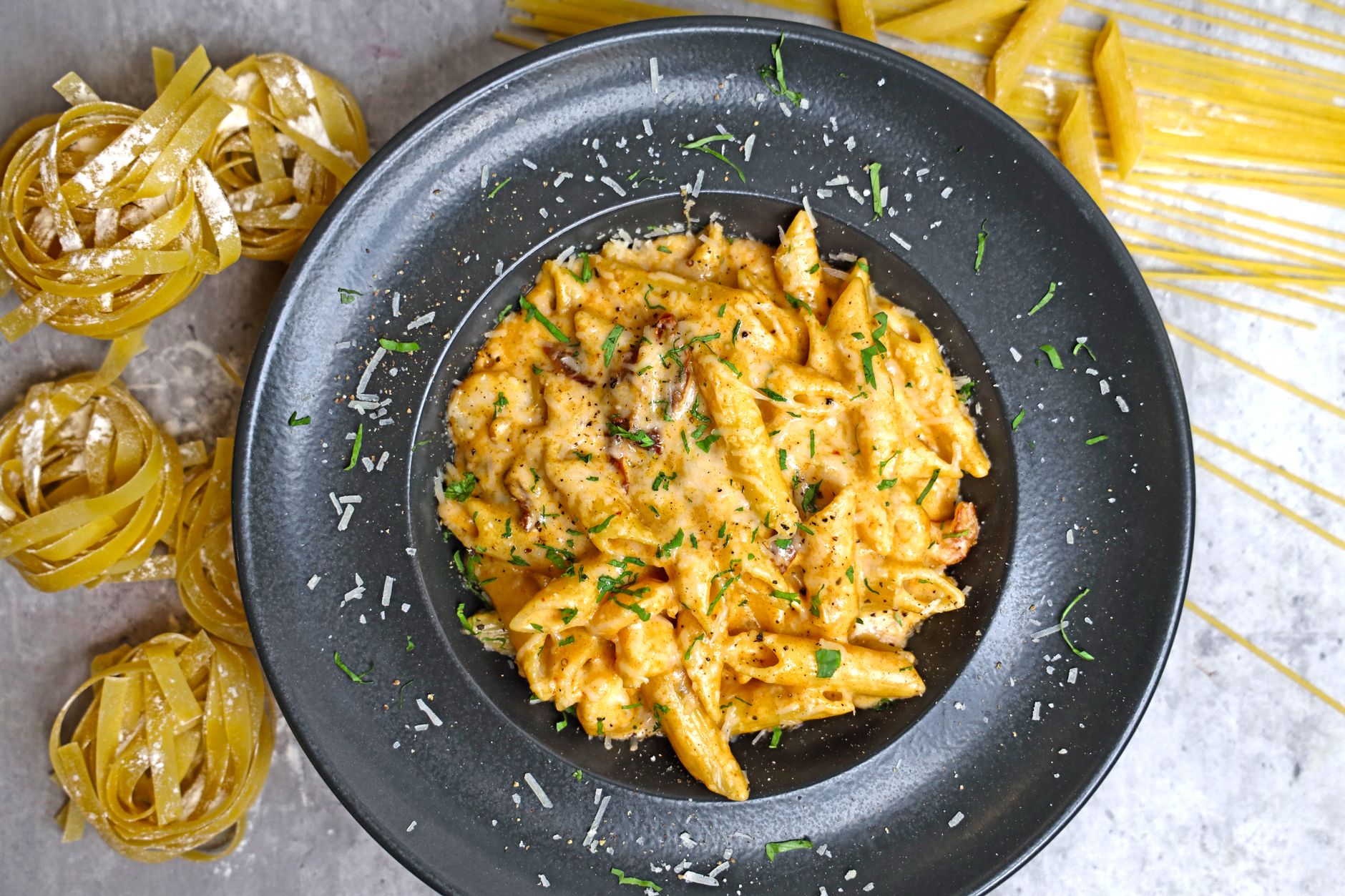
viral food trends have officially crossed over from ephemeral social media content into serious culinary validation. According to recent reporting by TODAY, simple home-cooked pasta concepts popularized on short-form video platforms are now reshaping how global dining culture defines excellence. The shift highlights a broader economic transformation where crowd-sourced viral popularity frequently outpaces traditional restaurant accolades.
For decades, the global restaurant hierarchy relied entirely on elite institutional gatekeepers to crown the world's finest dishes. Michelin inspectors, international dining guides, and veteran food critics held an absolute monopoly on defining culinary success. Today, algorithmic distribution on platforms like TikTok allows individual home cooks and independent chefs to bypass traditional media entirely, reaching millions of viewers within hours.
VIRAL MECHANICS DRIVING RESTAURANT ECONOMICS
The rise of high-engagement pasta recipes highlights how digital platforms prioritize visual simplicity and high-reward comfort food. Short-form video algorithms heavily reward recipes that feature accessible ingredients, dramatic textures, and straightforward preparation techniques. When millions of users replicate a specific dish at home, it creates unprecedented commercial demand for specific ingredients, ranging from feta cheese to specialized pasta shapes.
This consumer behavior presents both opportunities and challenges for the commercial restaurant sector. Professional dining establishments are increasingly forced to monitor digital media platforms to anticipate rapid shifts in guest preferences. When a viral pasta trend dominates consumer feeds, diners actively seek out similar flavor profiles and presentation styles in physical restaurants.
THE SHIFT AWAY FROM MICHELIN STAR DOMINANCE
Traditional fine dining accolades often emphasize complex techniques, rare ingredients, and formal service standards. However, modern consumer sentiment increasingly prioritizes comfort, high visual appeal, and ease of recreation over high-end exclusivity. The massive surge in popularity for simple, accessible pasta dishes demonstrates a democratization of food culture that challenges traditional fine dining paradigms.
Industry analysts note that young consumers evaluate food quality through different metrics than previous generations. Authenticity, immediate visual satisfaction, and shareability often outweigh formal fine dining credentials in driving consumer choices. As a result, classic Italian comfort foods with high aesthetic appeal have become the primary beneficiaries of this cultural evolution.
The economic ripple effects of viral pasta trends extend far beyond consumer preferences into global food supply chains. Grocery retailers regularly experience sudden demand spikes for basic commodities after specific recipes go viral online. When millions of viewers attempt to make identical dishes simultaneously, localized shortages of specialized cheeses, produce, and imported pasta brands frequently occur.
Commercial restaurant operators must also adjust their purchasing strategies to mitigate these sudden demand spikes. Independent operators who react quickly to social media trends can capture significant market share by offering immediate physical access to viral dishes. However, rapid demand shifts can also strain inventory management for smaller kitchens that lack flexible supply contracts.
THE DEMOCRATIZATION OF CULINARY INFLUENCE
Social media platforms have fundamentally leveled the playing field for culinary creators worldwide. Independent home cooks without formal culinary training now command audiences that eclipse major international restaurant groups. This direct connection between creator and consumer eliminates the traditional marketing costs associated with launching new culinary concepts.
As reported by TODAY, the widespread acclaim for internet-native recipes proves that culinary influence is no longer confined to expensive metropolitan dining rooms. Consumers are increasingly willing to grant legendary status to dishes that can be prepared in a humble home kitchen with standard supermarket ingredients. This cultural shift continues to reallocate consumer spending away from rigid fine dining environments toward accessible, fun culinary experiences.
RESTAURANTS ADAPTING TO DIGITAL TREND CYCLES
To remain competitive, forward-thinking restaurant operators are redesigning their menu development processes to mirror digital trend cycles. Kitchen teams now test new concept dishes specifically evaluated for their visual impact on camera alongside traditional taste metrics. Dishes featuring dramatic cheese pulls, bright sauces, and unique pasta geometry are deliberately engineered to encourage organic diner sharing.
While some culinary purists criticize the influence of social media on professional cooking, market data indicates that visual appeal remains a dominant factor in restaurant profitability. Establishments that embrace viral food trends often see immediate increases in foot traffic and higher overall average check sizes. The ability to translate digital virality into physical dining room sales has become a vital skill for modern hospitality executives.
For everyday consumers and home cooks, the rise of viral pasta dishes validates the power of simple, high-quality cooking over complex professional techniques. You do not need expensive kitchen equipment or decades of culinary training to create meals that achieve global popularity. The accessibility of internet-native recipes allows anyone to participate in global food trends directly from their own kitchen using standard grocery items.
For restaurant operators and hospitality workers, this trend underscores the necessity of remaining agile in menu design and marketing. Tracking online food conversations allows businesses to capture emerging consumer cravings before traditional competitors react. By balancing operational efficiency with current digital culinary trends, restaurants can build stronger engagement with younger demographics while maintaining sustainable profit margins in a rapidly changing marketplace.
More from the Foodie Pundit Newsroom
- FDA Publishes Secret Food Inventory List
- FDA asks drugmakers how much they wanna pay themselves
- FDA is stopping your groceries cold, no inspection needed.
- The Economics of Girl Dinner and the Shift Toward Effortless Grazing
- Fast Casual Concepts Lead Restaurant Growth Through Operational Efficiency And Culinary Value