Visual Pastry Trends Drive Revenue Growth Across Commercial Bakeries
Commercial bakeries are leveraging high-contrast visuals, complex textures, and limited-run drops to capture market share and drive higher profit margins.
By Foodie Pundit Newsroom - Published - Updated - Section: Desserts Snacks
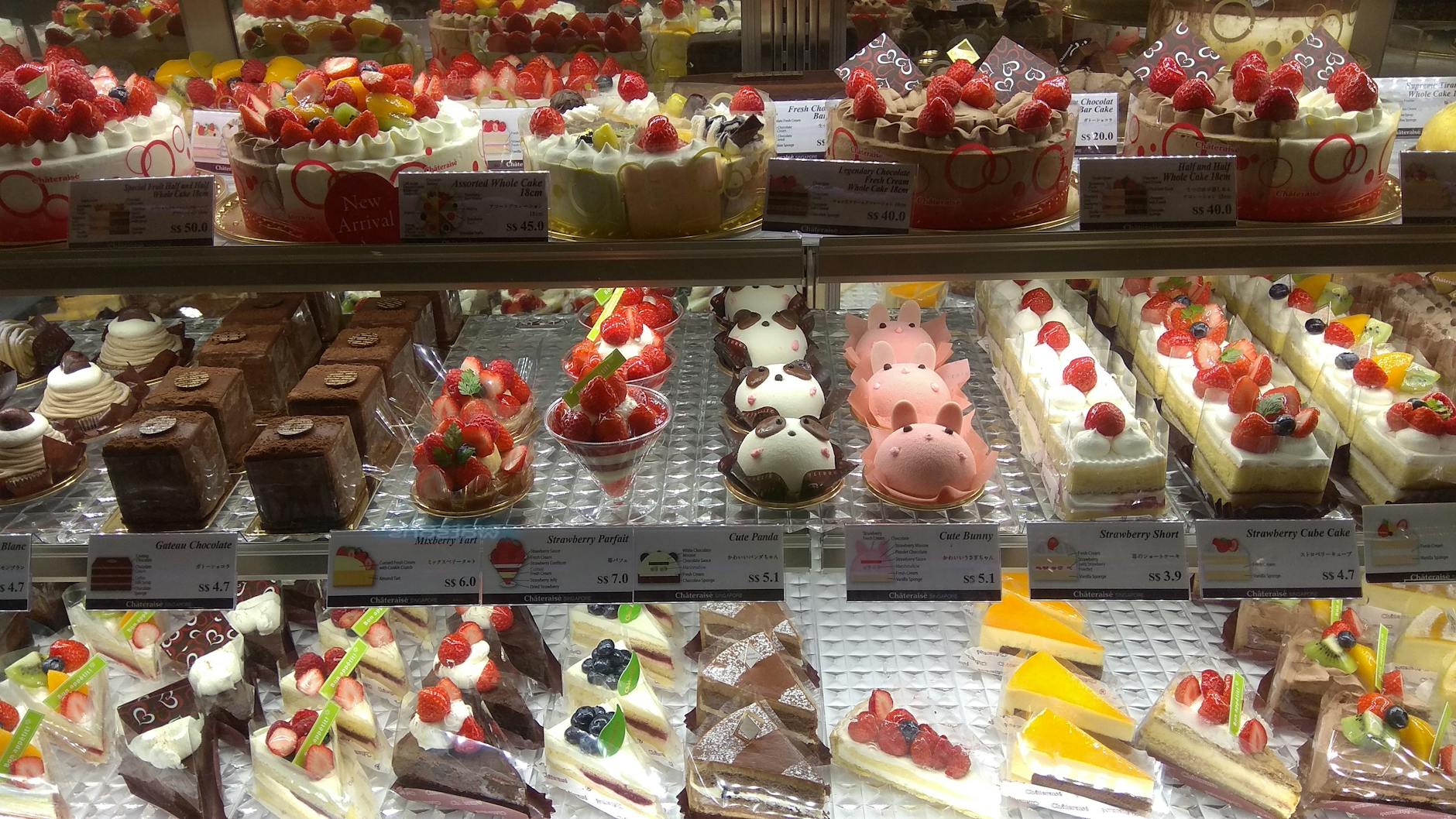
Key points
- Bakeries are utilizing structural pastry design and high-contrast ingredients to justify higher profit margins.
- Modular assembly techniques allow operators to offer complex desserts without increasing daily labor overhead.
- Limited-run inventory strategies reduce daily food waste while creating consumer urgency and driving foot traffic.
- Ingredient suppliers are offering standardized high-performance inputs to help smaller bakeries match artisanal trends.
The commercial baking sector is experiencing a structural pivot away from traditional flavor profiles toward visually driven, multi-textured architectural creations. Commercial bakeries and artisanal patisseries are aggressively restructuring their product lines to capture younger demographics who prioritize social media appeal alongside flavor complexity. Recent reporting by Bake Magazine highlights how operators are leveraging high-contrast color palettes, unexpected structural forms, and interactive serving elements to boost profit margins in an increasingly competitive retail landscape.
This evolution is not merely aesthetic, as it represents a fundamental shift in bakery economics. High-end retail bakeries are facing elevated labor costs and sustained ingredient inflation across core commodities like butter, cocoa, and specialized flour. To offset these operational pressures, wholesale and retail bakeries are introducing premium, limited-time specialty items that command significantly higher retail prices. By turning a standard pastry into a visual event, operators can justify profit margins that exceed traditional bakery benchmarks by up to forty percent.
Modern pastry design relies heavily on technical precision to achieve striking visual contrasts. Master bakers are utilizing hyper-pigmented natural ingredients, such as freeze-dried botanical powders, vibrant matcha grades, and black sesame pastes, to create distinct visual layers within single-portion items. According to industry observations from Bake Magazine, the success of these items depends on structural integrity that survives both refrigerated display cases and consumer transit.
Beyond color, texture contrast has become the primary metric for consumer satisfaction in top-tier urban markets. Pastry chefs are combining brittle crisp bases with velvety interior creams, liquid centers, and aerated mousses to create a dynamic sensory experience. The engineering required to maintain these distinct micro-textures over a twelve-hour display window requires advanced hydrocolloids and precise humidity controls within commercial holding units.
Integrating complex, trend-forward desserts into daily production cycles presents significant operational challenges for retail bakeries. Line cooks and pastry assistants must execute highly intricate assembly processes without compromising production speed or consistency. Many high-volume operators are adopting modular assembly workflows, where intricate components are mass-produced off-site or during overnight shifts, then assembled to order at the retail counter.
This modular approach minimizes waste while allowing bakeries to maintain a nimble product roster that can pivot rapidly as consumer preferences shift. By limiting the daily run of specialized items, bakeries build artificial scarcity that drives morning foot traffic and encourages pre-orders through digital storefronts. Industry analysts note that bakeries utilizing limited-run strategies report lower end-of-day food waste metrics compared to full-case traditional bakeries.
The viral proliferation of hyper-visual desserts acts as a low-cost customer acquisition channel for independent bakery brands. When consumers photograph and share specialized pastries online, they generate organic reach that reduces the operator's reliance on paid local advertising. Specialty pastries engineered with dramatic cross-sections, oozing fillings, or glossy mirror glazes perform exceptionally well on short-form video platforms.
Bake Magazine points out that this organic digital footprint translates directly into increased foot traffic for brick-and-mortar locations. Operators report that first-time visitors frequently present smartphone screenshots of specific specialty items at the point of sale. This behavior has prompted menu planners to design pastry cases with photographic staging in mind, utilizing specialized directional lighting and minimalist display trays to maximize visual impact.
To support the rapid development of innovative pastry concepts, ingredient suppliers are introducing specialized product lines tailored to high-concept baking. Commercial suppliers are expanding offerings of pre-tempered single-origin chocolates, freeze-stable fruit gels, and natural colorants that maintain vibrancy through baking cycles. These standardized raw materials lower the barrier to entry for smaller bakeries attempting to execute complex dessert architectures without dedicated research and development teams.
Furthermore, the rise of alternative flour blends and plant-based fat systems allows bakers to extend these visual trends into gluten-free and vegan categories. Modern fat emulsions now replicate the lamination properties of traditional European butter, enabling bakeries to produce hyper-layered, flaky viennoiserie that appeals to health-conscious and dietary-restricted consumers without sacrificing visual appeal or structural stability.
For the everyday consumer, the surge in high-concept retail desserts means access to an unprecedented variety of sophisticated flavor combinations and textures at local bakeries. While these premium creations carry higher price tags than standard glazed donuts or traditional cookies, they offer a low-stakes luxury experience that replaces traditional fine-dining desserts. Consumers can expect to see more interactive, limited-edition pastry drops at neighborhood bakeries, encouraging earlier store visits before daily allocations sell out.
For restaurant and bakery operators, adopting elevated pastry concepts offers a proven pathway to improve unit economics, increase average check sizes, and attract younger, digitally engaged diners. By investing in staff training for modular assembly and focusing on high-contrast visual product design, operators can differentiate their brands in a crowded market while protecting bottom-line profitability against ongoing commodity price volatility.
Sources and methodology
Reported from the public datasets below.
More from the Foodie Pundit Newsroom
- TikTok Culinary Creators Redefine Restaurant Economics and Food Marketing
- Pei Wei Asian Kitchen Opens Upgraded Restaurant in Delray Beach
- Plant-Based Pastry Craze Redefines Commercial Baking Landscape
- Naked Farmer Confirms Summer 2026 Opening in West Palm Beach
- Chipotle Reintroduces Premium Carne Asada To Drive Seasonal Traffic and Margins