Watermelon And Mustard Trend Highlights The Growing Power Of Viral Flavor Science
A viral social media trend pairing yellow mustard with fresh watermelon is forcing food analysts to reexamine the economic power of low-cost flavor experiments.
By Foodie Pundit Newsroom - Published - Section: Social Virality
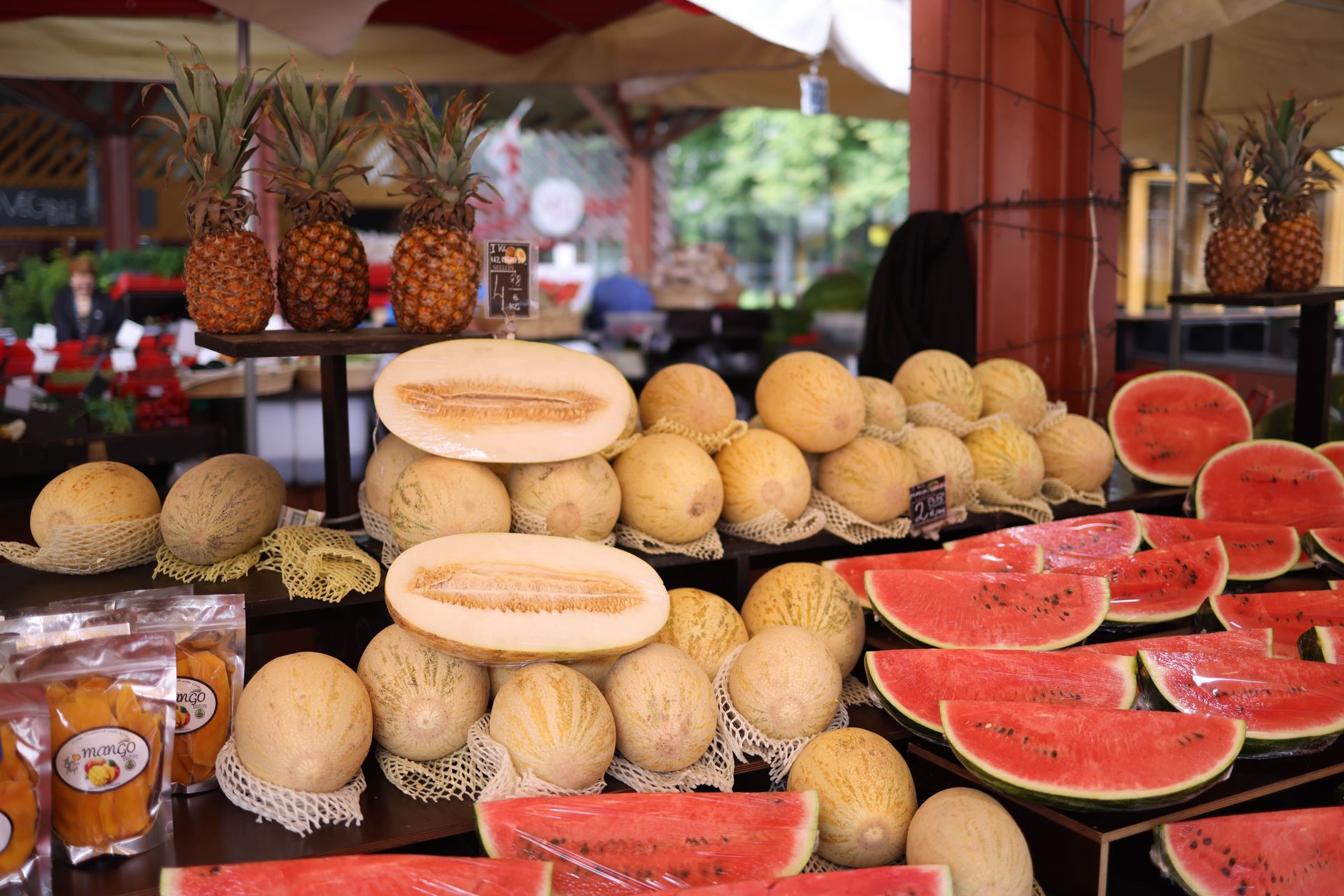
Key points
- Social media algorithms are driving rapid consumer adoption of low-cost, unconventional food pairings like watermelon and yellow mustard.
- The science of contrast explains why the combo works, as acetic acid and salt in mustard balance the natural sweetness and moisture of watermelon.
- Grocery retailers and condiment brands benefit from temporary demand spikes triggered by viral user-generated content.
- Restaurant operators use viral food trends to inform commercially viable sweet-and-savory limited-time menu offerings.
Social media platforms have long served as an incubator for unconventional food combinations, but the latest viral sensation involving fresh watermelon and yellow mustard is testing the boundaries of consumer taste. What began as a series of casual video clips posted by content creators has rapidly morphed into a broader cultural conversation about flavor science and low-cost marketing strategies in the modern food industry. The unexpected pairing has swept across digital channels, prompting millions of viewers to try the combination in their own kitchens and share their reactions online.
The trend gained significant traction after high-profile influencers recorded themselves squeezing standard bottled yellow mustard onto fresh slices of red watermelon. While initial viewer responses leaned heavily toward skepticism and disgust, the narrative shifted as a surprisingly large percentage of adventurous eaters reported enjoying the contrast. Reporting from TODAY helped bring the phenomenon into the mainstream, examining whether the strange mix holds legitimate culinary merit or relies entirely on the shock value inherent to short-form video algorithms.
From a food chemistry perspective, the pairing is not as irrational as it might first appear to the average consumer. Watermelon is dominated by water, natural sugars, and mild botanical notes, providing a sweet and refreshing baseline. Yellow mustard, on the other hand, relies on vinegar, ground mustard seeds, turmeric, and salt to deliver a sharp, acidic, and slightly bitter punch. When combined, the intense acidity and saltiness of the mustard cut through the dense sweetness of the melon, creating a high-contrast taste experience similar to traditional sweet-and-savory dishes.
Culinary professionals often leverage contrast to make dishes more dynamic, which explains why salt on watermelon has been a staple in southern regional cuisine for generations. Feta cheese and watermelon salads operate on the exact same principles of balancing sweetness with brine and fat. Yellow mustard simply adds an extra dimension of acetic acid to the mix, which sharpens the overall flavor profile and stimulates salivary glands far more aggressively than sugar or salt alone.
For restaurant operators and retail food brands, the viral explosion of the watermelon and mustard trend underscores the changing dynamics of product discovery. Traditional menu development and promotional campaigns can take months of consumer research and thousands of dollars in capital investment. By contrast, user-generated content on social media can create overnight demand for staple commodity items without any direct ad spend from manufacturers.
Condiment manufacturers and produce distributors stand to benefit directly from these brief spikes in viral interest. Mustard, traditionally viewed as a mature product category with stable and slow growth, suddenly finds itself positioned as a novel flavor enhancer for summer produce. Supermarket buyers often observe localized sales bumps for basic ingredients whenever a specific recipe or food challenge reaches critical mass online, proving that social engagement directly influences immediate grocery cart decisions.
The rapid spread of the watermelon mustard trend highlights how modern food marketing relies heavily on high-concept visual gimmicks that spark immediate debate. A video showing a bright yellow condiment drizzled over deep red fruit provides an instant color contrast that commands attention within the first two seconds of scrolling. The low cost of entry also drives participation, as most households already have both ingredients in the refrigerator, allowing consumers to test the trend immediately without spending additional money.
This low barrier to trial creates a self-sustaining feedback loop across social media feeds. Every new reaction video, whether positive or negative, amplifies the original concept and encourages more viewers to conduct their own at-home taste tests. While many of these viral food challenges disappear within weeks, they provide valuable insights into consumer willingness to experiment with unconventional flavor pairings during periods of economic inflation when dining out frequently may be cost-prohibitive.
Casual dining chains and quick-service restaurant operators closely monitor these viral food moments to gauge broader shifts in public taste preferences. While few mainstream restaurants are likely to add raw watermelon drizzled with yellow mustard to their permanent menus, the broader underlying trend toward complex, acid-forward, and sweet-and-savory flavor combinations is driving real innovation across the sector. Spicy honey, fruit-infused hot sauces, and savory jam coatings have all migrated from fringe social media trends to mainstream menu offerings over the past three years.
Operators who can identify the core sensory appeal behind viral moments can translate those insights into commercially viable limited-time offers. Incorporating mustard seeds, tangy glazes, or pickled components into summer fruit salads allows restaurants to capture the spirit of viral trends while delivering a polished culinary product that appeals to a wider audience. By converting internet curiosity into sophisticated menu items, brands can attract younger, digitally active diners seeking novel eating experiences.
The emergence of unexpected food trends like watermelon and mustard offers everyday consumers a low-risk, fun way to explore basic flavor principles in their own home kitchens. You do not need expensive ingredients or advanced cooking techniques to experiment with balancing sweet, salty, and acidic flavors. Trying these viral combinations can help you better understand your own personal palette and provide inspiration for elevated summer meal prep.
For grocery shoppers and home cooks, these viral phenomena serve as a gentle reminder that pantry staples are far more versatile than standard recipe books suggest. Basic condiments like yellow mustard, vinegar, and hot sauce can be used to brighten up sweet fruits, roasted vegetables, and cold salads without adding substantial calories or expense. Embracing a little curiosity in the kitchen can transform basic grocery items into exciting, interactive food experiences.
Sources and methodology
Reported from the public datasets below.
More from the Foodie Pundit Newsroom
- Kroger Cuts Prices on 1,000 Essentials as Grocery Wars Escalate
- Canned Cocktails Transform Alcohol Retail as Ready to Drink Segment Skyrockets
- Booze-Free Brews Surge as Craft Technology Redefines Non-Alcoholic Beer Market
- Fast Casual Chain Abruptly Closes All California Stores Amid Shifting Restaurant Economics
- Fast-Casual Consolidation Accelerates as Major Restaurant Chains Trim Retail Footprints