Watermelon and Mustard Trend Sparks Debate Over Taste Science and Viral Food Dynamics
A viral social media trend pairing juicy watermelon with tangy yellow mustard has sparked intense debate among food lovers and industry analysts.
By Foodie Pundit Newsroom - Published - Section: Social Virality
Key points
- The viral pairing relies on fundamental taste science, using the acid and salt in mustard to contrast the natural sweetness of watermelon.
- Social media trends significantly influence short-term grocery buying habits and drive interest in low-cost pantry staples.
- Combining sweet fruit with salty or acidic seasonings has deep roots in traditional culinary cultures around the world.
- Food operators use viral moments as low-risk inspiration to test adventurous flavor profiles on temporary menus.
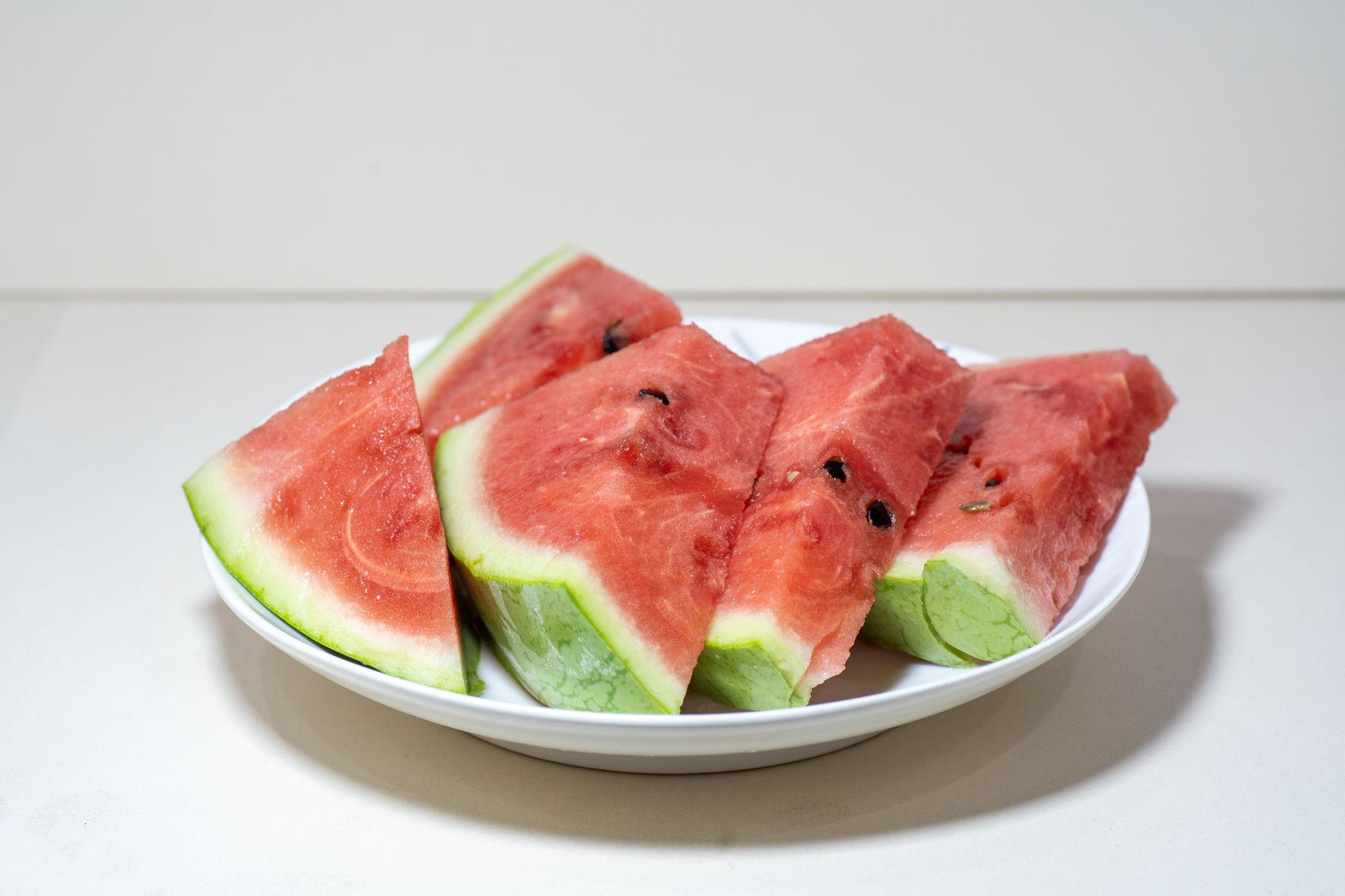
A viral trend involving yellow mustard squirted directly onto fresh watermelon slices has captured the attention of social media users, drawing millions of views across various video platforms. The unlikely combination originated on TikTok, where content creators filmed their immediate reactions to the contrast between juicy fruit and tangy condiment. Reports by TODAY highlighted the viral surge, prompting culinary analysts and casual eaters alike to test whether the pairing offers a genuine flavor synergy or merely serves as clickbait.
The trend highlights how social media platforms function as powerful incubators for unconventional food pairings. What initially appears to be an unappetizing stunt often relies on foundational principles of taste science, such as balancing sweet, acidic, and salty components. Food manufacturers and restaurant operators closely monitor these viral spikes to understand shifting consumer curiosities, particularly among younger demographics who drive online culinary discourse.
Understanding why yellow mustard and watermelon might work together requires a closer look at basic sensory perception. Watermelon consists mostly of water, sugar, and subtle botanical notes, making it light and refreshing on the palate. Yellow mustard, by contrast, relies heavily on vinegar, ground mustard seeds, turmeric, and salt, creating an aggressive, acidic, and slightly bitter profile.
When combined, the sharp acetic acid in the mustard cuts through the sugary profile of the melon, creating a contrast similar to traditional sweet and savory dishes. Salt and acid are known enhancers that elevate natural fruit flavors when applied in controlled amounts. While classic culinary traditions often pair watermelon with salty feta cheese or spicy chili powder, the use of prepared mustard introduces a punchy, vinegar forward dimension that divides opinions.
The rapid spread of the watermelon and mustard phenomenon reflects a broader shift in how food trends circulate through modern media ecosystems. Rather than emerging from fine dining kitchens or professional recipe development labs, many contemporary food fads originate from everyday consumers experimenting on camera. The visual contrast of bright yellow condiment against vivid red melon creates an eye catching thumbnail that encourages high engagement rates.
For food brands, these unexpected viral moments present unique low cost marketing opportunities. Condiments like yellow mustard, historically viewed as stable pantry staples with predictable usage patterns, suddenly experience spikes in engagement as consumers purchase them for social media experiments. While these surges rarely lead to permanent changes in long term consumption habits, they demonstrate how social platforms can briefly alter grocery shopping patterns.
CULINARY PRECEDENTS FOR SWEET AND SAVORY PAIRINGS
While yellow mustard on watermelon strikes many contemporary diners as bizarre, historical and regional cooking traditions frequently unite sweet fruits with savory, spicy, or acidic elements. In Mexican cuisine, fruit vendor carts routinely sprinkle fresh watermelon, mango, and pineapple with tajin, a seasoning blend of chili peppers, sea salt, and dehydrated lime juice. The acid and spice heighten the perception of sweetness in the fruit while providing a complex finish.
Similarly, Italian tradition famously pairs ripe cantaloupe or figs with thin slices of salty, cured prosciutto. In Southern American culinary history, putting salt directly on watermelon slices remains a long standing practice designed to bring out the natural sugars. Viewed through this broader lens, adding vinegar based mustard to watermelon is simply a modern, hyper accessible variation of an ancient flavor philosophy.
ECONOMIC IMPACT ON CONDIMENT AND PRODUCE SECTORS
The commercial ramifications of short lived social media trends extend across both produce aisles and packaged goods sectors. Retailers often report short term upticks in specific items when a video reaches critical mass online. Because both watermelon and basic yellow mustard are low cost, widely available commodities, the barrier to entry for consumers seeking to participate in the trend is exceptionally low.
For grocery operators, cross promoting these items can drive incremental basket size during key seasonal periods. Placing condiment displays near fresh produce bins during peak summer months capitalizes on impulse buys fueled by digital trends. However, supply chain managers must remain cautious, as social media hype cycles often dissipate within weeks, leaving behind excess inventory if buyers overcorrect based on brief spikes in demand.
For the average consumer, the watermelon and mustard debate serves as an entertaining reminder that taste is highly subjective and rooted in basic flavor mechanics. Trying the combination at home costs very little and offers an accessible introduction to modern food science principles, specifically how acid and salt interact with natural sugars. Whether you find the combination delicious or unpalatable, participating in or observing these trends provides insight into how digital culture shapes modern eating habits.
Restaurant operators and menu developers can use these viral moments to gauge consumer openness to adventurous flavor pairings. While keeping watermelon and mustard on a permanent restaurant menu may not prove commercially viable, introducing limited time offerings that feature sweet and tangy contrasts can attract adventurous diners. Ultimately, these viral food trends encourage consumers to step outside their comfort zones and reevaluate familiar pantry ingredients in fresh, creative ways.
Sources and methodology
Reported from the public datasets below.
More from the Foodie Pundit Newsroom
- Restructuring Waves Hit Casual Dining as Industry Cost Pressures Mount
- Legacy Fast Food Chains Face Wave of Closures as Industry Economics Shift
- Casual Dining Wave Reaches Tipping Point as Major Chain Files for Bankruptcy
- Legacy Fast Food Brands Face Mass Closures As Market Pressures Mounting
- Restaurant Industry Faces Wave of Restructurings as Rising Costs and Shifting Consumer Habits Strain Chains