Why The Viral Lobster Tan TikTok Phenomenon Is A Serious Health Warning Label
Social media users are glorifying extreme sunburns, but health experts warn that the viral trend masks severe long term skin damage.
By Foodie Pundit Newsroom - Published - Section: Social Virality
Key points
- The lobster tan trend on TikTok glorifies bright red, severe sunburns for social media views.
- Dermatologists warn that severe sunburns cause irreversible cellular damage and increase skin cancer risk.
- Misinformation surrounding sunscreen efficacy is contributing to higher rates of sun damage among young adults.
- Outdoor hospitality venues are adapting by offering complimentary sunscreen and expanding physical shade options.
Viral social media trends often spill over into the hospitality sector in unpredictable ways, but the latest viral phenomenon is serving as a cautionary tale for both consumers and business operators. On video platform TikTok, users have recently been sharing clips showcasing the lobster tan, a colloquial term for extreme, bright red sunburns acquired after hours of outdoor exposure. While some social media participants frame these crimson skin transformations as comedic badges of summer honor, dermatologists and consumer health advocates are raising serious red flags.
Recent coverage by Today highlights how digital platforms can unintentionally trivialize severe physiological damage by repackaging medical risks as viral memes. In the culinary world, a cooked lobster represents a luxury commodity, characterized by its vibrant shell that turns bright red when exposed to high heat. When applied to human skin, however, that same shade signals severe thermal trauma, cell damage, and an elevated long term risk of skin cancer. As summer travel surges and outdoor dining venues report record patio attendance, health professionals are urging consumers to reject the visual romanticization of sun damage.
The lobster tan trend gains traction online largely through dramatic before and after video reveals set to upbeat background audio. Content creators film themselves applying sunscreen unevenly or omitting it entirely while spending long afternoons at beach clubs, rooftop bars, and outdoor music festivals. The resulting visual contrast, featuring stark white lines against inflamed, scarlet skin, generates millions of impressions, likes, and shares.
Medical experts interviewed in recent news reports emphasize that the visual appeal of these posts obscures immediate danger. A severe sunburn is not merely a temporary cosmetic inconvenience or an inevitable milestone of a warm vacation. It represents a acute inflammatory response to ultraviolet radiation, which directly damages the deoxyribonucleic acid inside skin cells. When skin turns the shade of a boiled crustacean, it has sustained second degree cellular damage, often leading to blistering, systemic dehydration, and premature skin aging.
OPERATIONAL IMPACT ON OUTDOOR HOSPITALITY
For the broader food service and resort industries, the normalization of extreme sun exposure presents unexpected operational considerations. Outdoor dining setups, beer gardens, and poolside beverage programs thrive during warm weather months, driving high margin revenue for venues. However, venue operators are increasingly recognizing their responsibility in promoting guest comfort and environmental safety without dampening the guest experience.
Hospitality brands are responding by integrating shade infrastructure and guest amenities directly into their service models. Premium resorts and beachfront restaurants now routinely supply complimentary sunscreen stations alongside complimentary ice water. Providing physical shade via pergolas, large umbrellas, and misting fans allows venues to extend outdoor seating hours while protecting patrons from the peak hours of ultraviolet radiation.
The proliferation of the lobster tan trend coincides with a troubling rise in online sun care skepticism. Across several social media platforms, influencers have falsely claimed that commercial sunscreens contain harmful toxins or that gradual burn exposure builds a protective sun armor. Today noted in its reporting that medical professionals are fighting an uphill battle against these persistent digital myths.
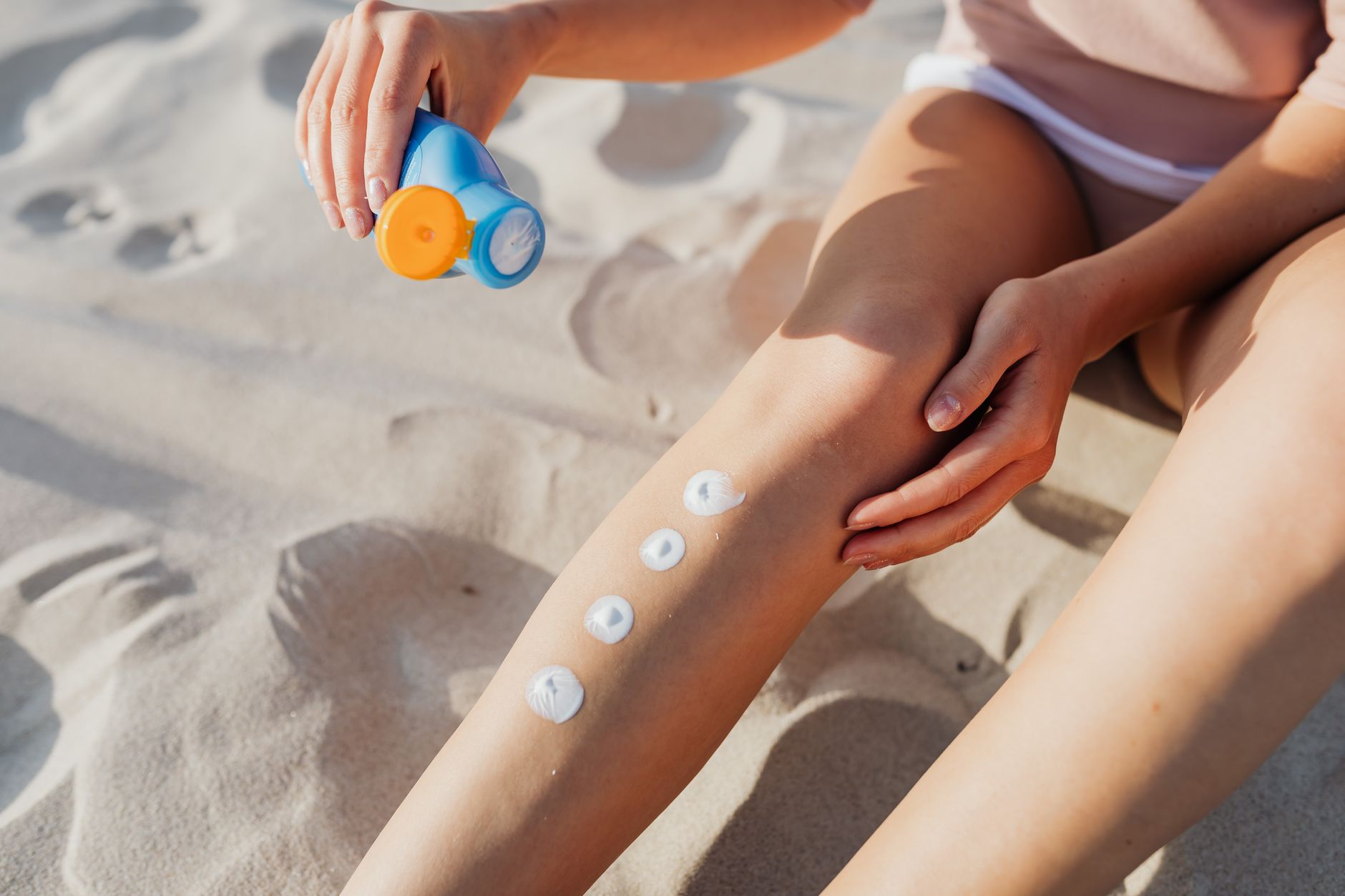
Dermatologists reiterate that no tan is a healthy tan, and a red burn is an unambiguous indicator of severe tissue distress. Sunscreen remains one of the most thoroughly tested over the counter protective products available to consumers. Health officials advocate for broad spectrum formulas with a sun protection factor of thirty or higher, applied generously every two hours during outdoor excursions.
ECONOMIC CONSEQUENCES OF ULTRAVIOLET EXPOSURE
Beyond the immediate health concerns, the systemic costs of sun damage continue to climb globally. Healthcare systems absorb billions of dollars annually in treatments for melanoma and non melanoma skin cancers, conditions directly linked to severe sunburns sustained during youth and early adulthood. Consumers who suffer from acute burns during vacations often face lost work productivity, expensive prescription treatments, and canceled travel plans.
The wellness industry has seen a corresponding rise in demand for post sun recovery products, including aloe lotions, soothing hydrogel masks, and anti inflammatory topicals. Retailers report sharp sales spikes in after sun care products every summer, driven largely by consumers seeking fast relief from unexpected overexposure. Yet experts maintain that topical relief creams merely soothe symptoms without reversing underlying genetic cell damage.
Consumers planning outdoor leisure activities should remain vigilant about sun safety, treating high UV index warnings with the same seriousness as weather alerts. Relying on social media for health and wellness trends often leads to dangerous misunderstandings regarding basic human biology. When dining on outdoor patios, attending festivals, or relaxing at resorts, individuals should prioritize shade, reapply broad spectrum sunscreen frequently, and wear protective clothing to prevent severe burns.
Hospitality operators and event organizers also have a role to play by making sun protection accessible and normal within public spaces. Offering clear shade options and accessible sunscreen stations protects guests while enhancing the overall outdoor service environment. By rejecting the visual appeal of extreme sunburns, both consumers and businesses can enjoy summer dining and outdoor recreation safely without compromising long term health.
Sources and methodology
Reported from the public datasets below.
More from the Foodie Pundit Newsroom
- Casual Dining Insolvencies Mount as Restaurant Sector Faces Debt Realignment
- Bay Area Noodle Shop Expansion Highlights Shifting Suburban Restaurant Economics
- Bay Area Vietnamese Dining Favorite Expands Geographic Footprint to the Peninsula
- Bay Area Vietnamese Noodle Favorite Expands Footprint to Peninsula Retail Corridor
- Bay Area Vietnamese Favorite Expands To Peninsula Commercial Corridor