Beyond Butter Boards: How Interactive Dining Trends Are Shaping the Restaurant Industry
Culinary creators and industry analysts are charting the shift from butter boards to vibrant, vegetable-forward interactive dining options.
By Foodie Pundit Newsroom - Published - Section: Restaurants
Key points
- The viral butter board trend is evolving into lighter, vegetable-based shareable spreads like whipped feta and labneh.
- Restaurant operators are using interactive, visually appealing appetizers to boost check averages and drive user-generated marketing.
- Home hosts are shifting from wooden boards to glazed ceramic platters to address hygiene and cleanup concerns.
The online food landscape moves at a rapid pace, driven by visual platforms where texture, color, and aesthetic appeal dictate consumer interest. In late 2022, the butter board emerged as a major cultural phenomenon, transforming a simple dairy spread into an elaborate, shared dining experience. Culinary creator Justine Doiron popularized the concept, which involved swirling softened butter across wooden boards and topping it with herbs, edible flowers, honey, and flaky sea salt.
Now, industry analysts and content creators are tracking the evolution of this trend as consumer preferences shift toward new interactive dining formats. According to recent reporting by Today. com, the focus is shifting away from heavy dairy bases toward lighter, more vibrant purees and dipping mechanics.
The next wave of social media culinary content relies heavily on color contrast, seasonal produce, and elevated host-style presentation. Understanding how these viral moments develop provides valuable insight into broader consumer dining habits and grocery purchasing patterns.
The original butter board captured public attention because it reinvented a familiar ingredient through accessible artistry. It offered a low-cost, high-impact way for home hosts to entertain guests without requiring advanced cooking skills. However, the format faced critique regarding sanitation, cleanup difficulty, and the sheer volume of saturated fat involved in a single serving.
As a result, content creators have spent recent months experimenting with alternative bases that address these practical concerns. Hummus, whipped feta, labneh, roasted garlic purees, and fruit-based preserves have all emerged as functional substitutes for traditional butter. These options retain the visual appeal of a textured board while offering lighter nutritional profiles and broader dietary compatibility for plant-based or dairy-free eaters.
The rapid spread of short-form video content has fundamentally altered how recipe ideas circulate through the marketplace. Visual appeal now often takes precedence over complex flavor profiles in the initial discovery phase of a trend. A successful viral dish must be easily recognizable within three seconds of video playback and simple enough for an amateur cook to replicate at home.
Reporting from Today.com highlights that the creators driving these trends look for daily staples that can be elevated through dramatic presentation. The act of dipping, scooping, or assembling food live on camera adds a theatrical element that drives high engagement rates. Grocery retailers and specialty food producers closely monitor these digital movements, as a single viral video can lead to sudden spikes in demand for specific ingredients like high-end olive oils, specialty salts, and artisanal breads.
RESTAURANT ADAPTATION AND MENU INNOVATION
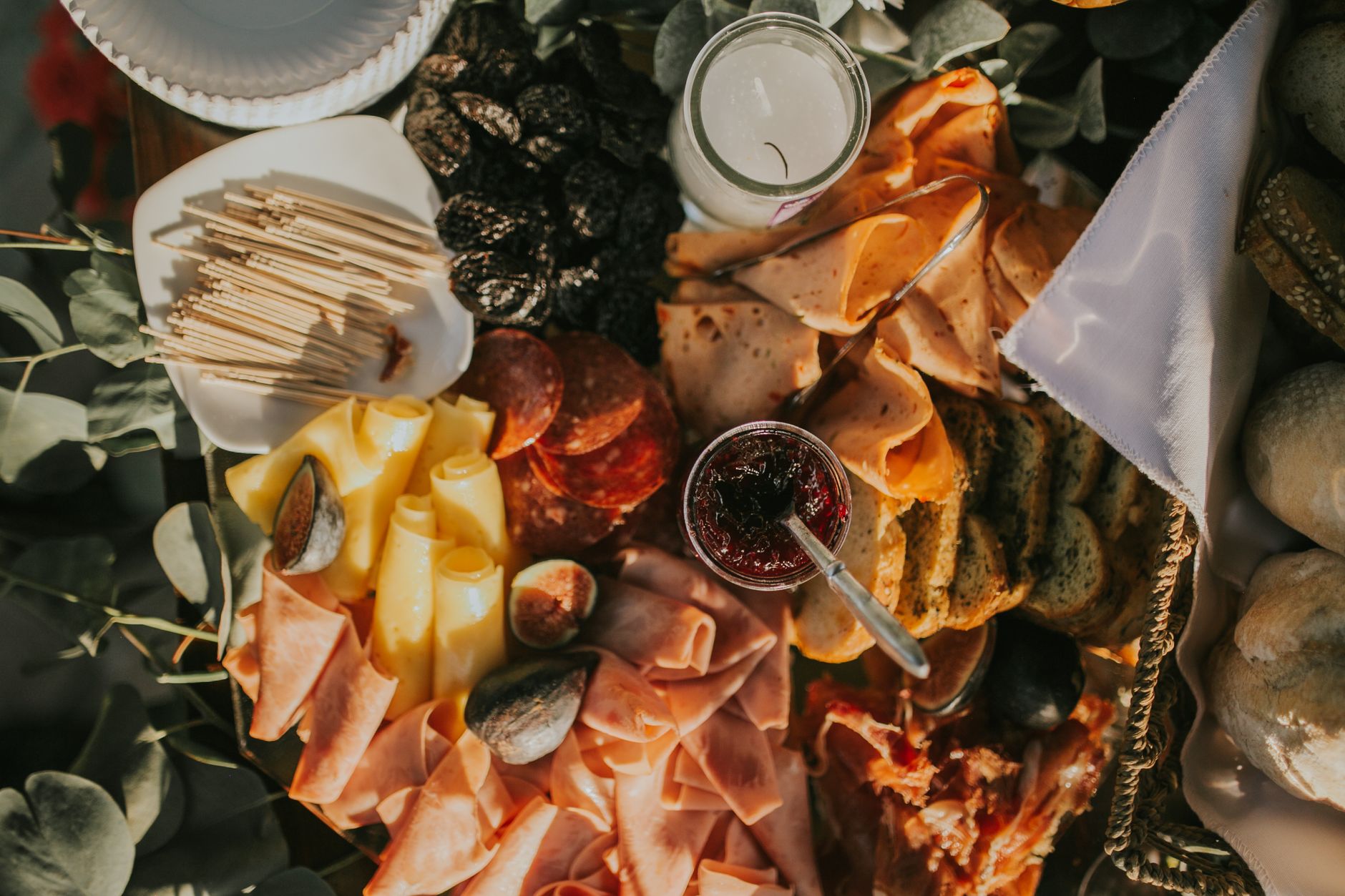
While viral food trends usually originate in home kitchens and digital feeds, commercial restaurants quickly adapt these concepts to drive foot traffic and increase check averages. Casual dining establishments and upscale wine bars have incorporated custom shareable boards into their appetizer menus as a high-margin item. Replacing traditional bread baskets with branded, stylized boards allows operators to charge premium prices for relatively inexpensive base ingredients.
Restaurant operators also benefit from the free marketing generated when patrons photograph visually striking appetizers. By serving aesthetic, highly shareable dishes, venues encourage diners to post content online, effectively outsourcing their digital promotional efforts. The transition of the butter board from a TikTok video to a staple menu item illustrates how quickly online novelty can turn into an established commercial category.
As consumers look beyond traditional boards, culinary influencers are teasing new variations centered on warm dips, interactive fondue variations, and deconstructed sauces. The focus is shifting toward temperature contrast, such as pairing ice-cold whipped spreads with blistering hot flatbreads or charred vegetables. Texture remains paramount, with toasted nuts, chili crisp, and microgreens serving as essential finishing elements.
Additionally, sustainability and ease of cleaning are becoming central to how these trends are presented. Many creators are moving away from porous wooden boards in favor of glazed ceramic platters, shallow marble dishes, and food-safe parchment paper linings. This adjustment solves the practical hygiene issues associated with raw wood while maintaining an attractive, rustic presentation suitable for social media sharing.
For home cooks and hosts, the ongoing evolution of shareable food trends offers endless room for creativity without requiring expensive equipment or advanced culinary techniques. You can easily adapt these concepts to suit your personal dietary preferences by swapping traditional dairy for plant-based dips, roasted vegetable purees, or whipped legumes. Focus on using contrasting colors and varied textures to achieve a professional presentation.
For restaurant operators and food industry marketers, the longevity of interactive dining trends signals a permanent shift in how consumers view social meals. Menus that emphasize shared experiences, customizable spreads, and visual flair will continue to attract younger demographics who prioritize shareable moments. Keeping a close eye on digital platforms allows businesses to anticipate supply needs and update their offerings before a trend reaches saturation.
Sources and methodology
Reported from the public datasets below.
More from the Foodie Pundit Newsroom
- Kuala Lumpur Restaurants Bet on High Margin Drops and Truffle Comfort Eats for May
- PF Changs Retires Dedicated Takeout Concept as Casual Dining Strategy Pivots
- Persistent Grocery Inflation Keeps Checkout Totals Elevated Across Key Food Categories
- Big Box Closures Accelerate Across North America as Chains Pivot Business Models
- Chicago Historic Gene and Georgetti Steakhouse Files for Chapter 11 Reorganization