Chef Ankit Redefines Regional Indian Gastronomy for Global Diners
Modern Indian chefs are leveraging regional heritage and elevated presentation to transform international fine dining expectations.
By Foodie Pundit Newsroom - Published - Section: Luxury Dining
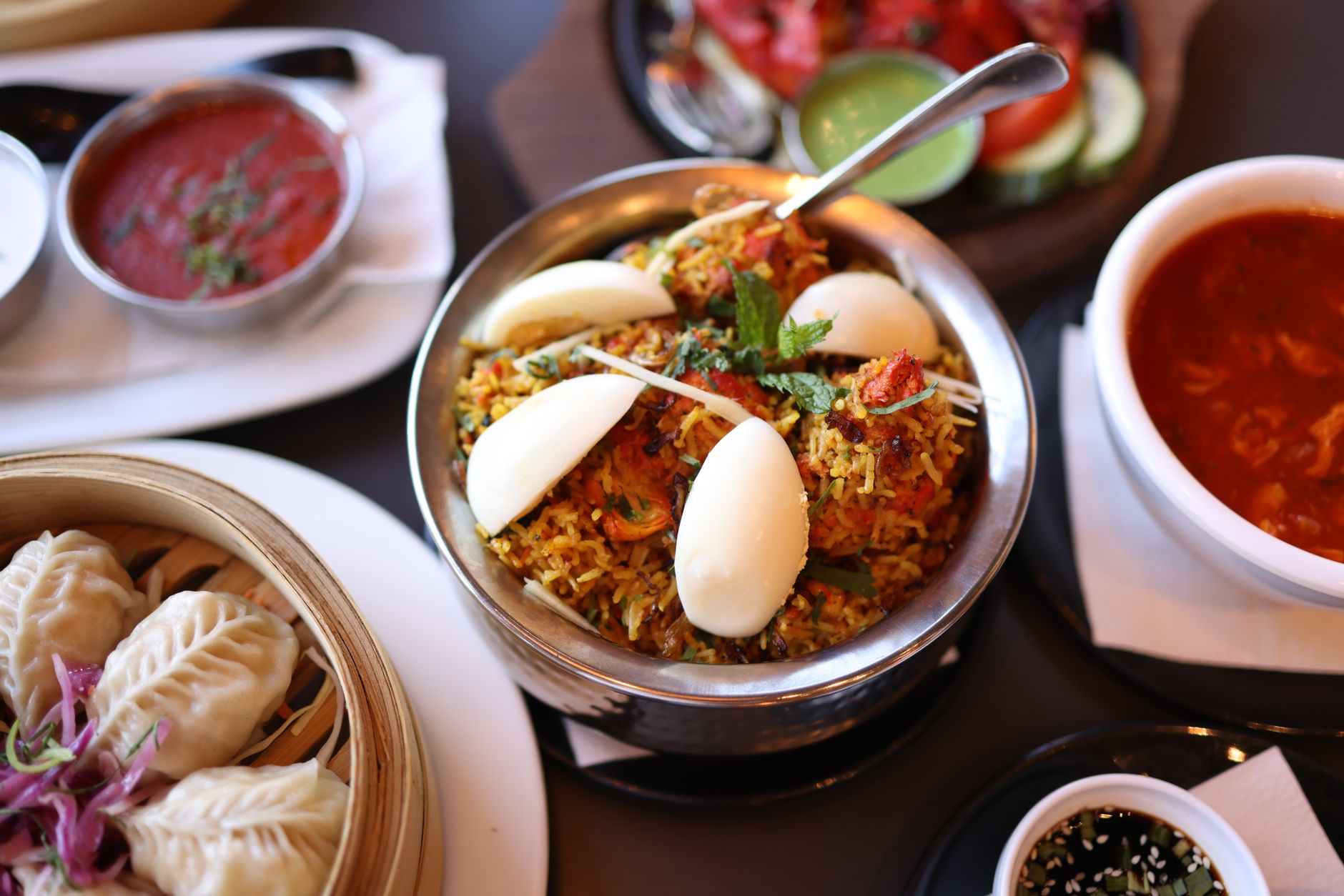
Key points
- High-end regional Indian cuisine is emerging as a lucrative segment in global fine dining.
- Chefs are combining classic heritage techniques with modern presentation to command higher check averages.
- Destination-style culinary experiences drive stronger customer loyalty and elevated top-line revenue.
- Investing in authentic supply chains and specialized staff training is critical for maintaining kitchen consistency.
The global hospitality sector is witnessing a marked shift in how regional Indian cuisine is positioned within high-end international markets. For decades, Western perceptions of Indian food were dominated by standardized takeaway menus and heavily adapted curry dishes designed to appeal to localized palates. Today, a new generation of culinary talent is redefining this paradigm by placing authenticity, regional specificity, and narrative-driven dining at the center of the guest experience. Leading culinary figures are transforming classic street food and traditional family recipes into sophisticated multi-course tasting menus that rival traditional European fine dining.
This movement reflects broader macroeconomic changes in consumer behavior, where modern diners increasingly prioritize experiential value over simple convenience. According to recent reporting by TravelDailyNews Asia, the demand for immersive, destination-driven culinary concepts has created new opportunities for chefs who specialize in heritage techniques. By introducing specialized spices, ancient slow-cooking methods, and refined plating strategies, culinary leaders like Chef Ankit are proving that regional Indian gastronomy holds immense potential for high-margin, premier restaurant models worldwide.
Executing a successful high-end regional dining concept requires a delicate balance between preserving culinary heritage and adapting to modern service expectations. Traditional Indian cooking relies heavily on complex spice blends, long marination processes, and precise temperature controls that were historically developed in domestic kitchens or specialized regional eateries. Adapting these techniques to a fast-paced commercial kitchen without losing flavor integrity demands rigorous operational discipline and deep technical expertise.
Chefs at the forefront of this movement are approaching regional recipes with the precision of classic French gastronomy. By applying modern techniques such as precise temperature controls and artistic presentation methods, they elevate humble regional dishes into sophisticated offerings suitable for upscale venues. This methodological shift allows operators to maintain tight control over food costs and kitchen efficiency while commanding premium menu prices. Diners are shown that Indian cuisine encompasses vast geographical variations, ranging from coastal seafood delicacies to rich northern braises, rather than a single homogenous profile.
THE STRATEGIC ROLE OF BOLD FLAVOR PROFILES
In an increasingly competitive restaurant market, distinct flavor profiles serve as a primary differentiator for visual and experiential marketing. Contemporary consumers, particularly younger demographics, actively seek out bold, aromatic dining experiences that offer a sense of discovery. Indian cuisine, with its rich tapestry of dry-roasted spices, fermented elements, and fresh herbal finishes, is uniquely positioned to satisfy this demand for sensory engagement.
From an operator perspective, leaning into complex, aromatic flavor profiles allows a brand to create memorable signature dishes that drive customer retention. Rather than diluting traditional spice levels to cater to a generic middle ground, successful contemporary chefs are educating their clientele through curated pairing menus and detailed menu storytelling. This approach builds trust with guests, positioning the restaurant as a trusted authority on regional food traditions rather than just another casual dining option.
The intersection of tourism and gastronomy has become one of the fastest-growing segments in the hospitality industry. Travelers and affluent local diners alike view food as an essential gateway to understanding a region's culture and heritage. Concepts that successfully market themselves as epicurean escapes benefit from elevated average check sizes and higher rates of advance bookings.
By crafting a dining environment that feels like a curated journey, operators can expand their revenue streams beyond food and beverage sales alone. Immersive storytelling, tailored beverage pairings, and chef-led dining experiences create high-margin add-ons that significantly boost top-line revenue. As noted in coverage by TravelDailyNews Asia, framing a meal as a distinct culinary adventure helps venues capture market share in crowded urban centers and luxury resort destinations.
OPERATIONAL LESSONS FOR MODERN RESTAURATEURS
Building a business around high-end regional cuisine comes with unique operational challenges, particularly regarding supply chain management and labor. Securing consistent access to high-quality, authentic spices and specialized regional ingredients often requires direct sourcing relationships or specialized import channels. Restaurateurs must establish resilient supply networks to ensure that their signature dishes remain consistent across seasonal shifts.
Furthermore, training kitchen staff to master complex, multi-stage Indian cooking techniques requires sustained investment in staff education. Unlike standard line-cooking environments, preparing complex regional dishes involves nuanced sensory evaluation, such as knowing precisely when whole spices have released their essential oils. Venues that successfully invest in this level of culinary training build a strong internal culture, lower turnover rates, and deliver a superior product that justifies premium pricing.
For everyday diners and food enthusiasts, the expansion of high-end regional Indian dining means greater access to authentic, diverse culinary traditions that go far beyond standard menu offerings. Guests can expect more engaging dining experiences that combine rich storytelling with exceptional culinary execution, making an evening out feel like a true cultural exploration.
For restaurant operators and investors, this trend highlights the strategic profitability of leaning into distinct cultural narratives and uncompromised flavor integrity. By investing in chef talent, rigorous technique, and experiential marketing, hospitality businesses can capture premium market segments, build brand loyalty, and drive long-term growth in a dynamic global marketplace.
Sources and methodology
Reported from the public datasets below.
More from the Foodie Pundit Newsroom
- Supermarket Sticker Shock Persists as Retail Food Prices Maintain Upward Momentum
- Manhattan Oldest Diner Evicted as Legacy Commercial Rent Pressures Mount
- McRib Returns as Fast Food Chains Battle for Price Conscious Diners
- Why High Grocery Bills Are Becoming the Permanent Baseline for American Shoppers
- Casual Dining Restructurings Signal Broader Financial Stress Across the Hospitality Sector