Daily Coffee Habits Outpace Inflation as Premium Beverage Chains See Steady Demand
Despite rising menu prices and macroeconomic pressures, consumers continue to prioritize daily specialized coffee purchases over other discretionary spending.
By Foodie Pundit Newsroom - Published - Section: Coffee Cafes
Key points
- Consumers continue to view daily specialty coffee as an essential affordable luxury rather than a cuttable expense.
- Cold beverages and custom add-ons drive higher average check sizes and profit margins across all seasons.
- Investments in automated store technology help major chains maintain fast order fulfillment during peak morning hours.
- Baseline menu prices are expected to remain elevated due to sustained customer demand and higher wage costs.
CONSUMER RESILIENCE IN THE BEVERAGE SECTOR
Every morning across North America, millions of consumers step into line or pull into drive-thru lanes to purchase hand-crafted coffee drinks. Recent financial data analyzed by CNBC reveals that despite persistent inflationary pressures across the retail economy, consumer spending on premium coffee beverages remains extraordinarily resilient. While shoppers have trimmed budgets for apparel, home goods, and traditional grocery items, their willingness to pay for specialized espresso drinks and cold brews has barely wavered. This behavioral pattern highlights a unique dynamic in modern restaurant economics where daily affordable luxuries are shielded from broader household budget cuts.
Economic analysts often refer to this phenomenon as the lipstick effect, where consumers hold onto small personal treats even when macroeconomic conditions worsen. In the context of the food service industry, specialized iced coffees and customized beverages serve as accessible daily rewards. Rather than viewing a six-dollar iced latte as an extraneous expense, many working professionals and younger consumers treat it as a non-negotiable part of their morning routine. Consequently, major beverage chains have managed to pass along menu price increases without experiencing the severe traffic declines seen in other quick-service dining segments.
During the past two years, quick-service coffee operators adjusted menu prices upward to offset surging costs for green coffee beans, dairy, packaging, and labor. In typical retail environments, steep price increases trigger immediate demand destruction as consumers seek cheaper alternatives or cut out purchases entirely. However, reporting from CNBC demonstrates that traffic at major coffee outlets has remained remarkably steady. Transaction counts have held resilient, while average check sizes have grown significantly due to higher baseline prices and increased customer customization.
Customization options represent a major driver of elevated ticket sizes and sticky consumer loyalty. Patrons regularly add specialized syrups, alternative milks, cold foams, and extra espresso shots to their base orders. These additions incrementally raise the price of an individual beverage while creating a personalized product that consumers feel they cannot easily replicate at home. Because the perceived value of these complex beverages remains high, customers show a low sensitivity to price adjustments, allowing operators to maintain healthy profit margins despite elevated operational overhead.
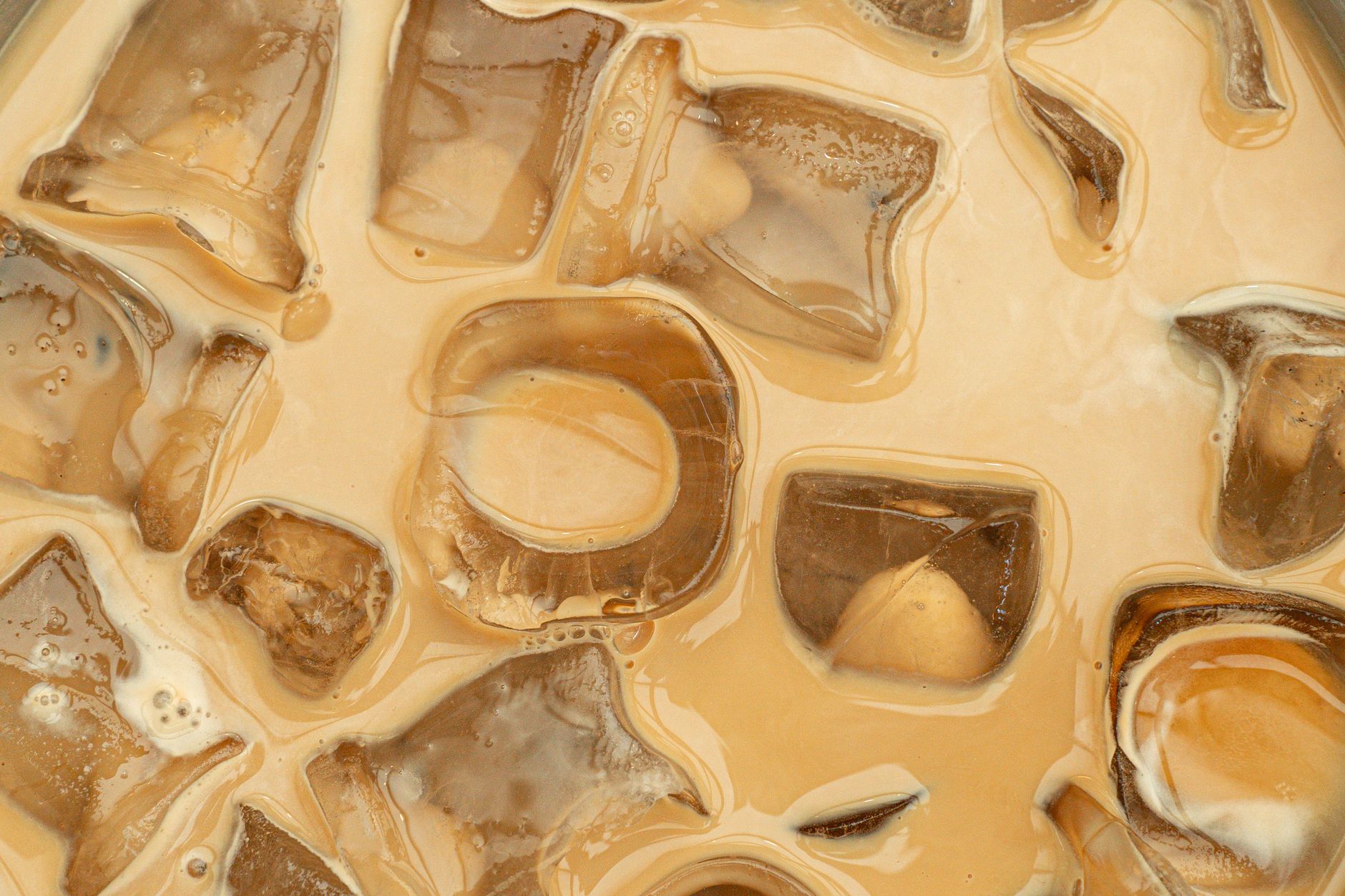
A significant structural shift in consumer habits has further insulated major coffee retailers from seasonal and economic downturns. Cold beverages, including iced lattes, cold brews, and blended drinks, now account for the vast majority of sales at major chains during every quarter of the year. Historically, hot coffee sales peaked during winter months and dipped in the summer, creating predictable cyclical fluctuations in revenue. The transition toward a cold-dominated beverage menu has successfully eliminated this seasonality while attracting a younger demographic that consumes cold espresso drinks year-round.
Cold beverages also offer superior margin profiles compared to traditional hot brewed coffee. They rely heavily on ice, milk formulations, and flavored syrups, which allow operators to maintain strong gross margins even when raw coffee commodity prices spike on global markets. Furthermore, cold drinks are particularly well-suited for mobile ordering and drive-thru service channels. By streamlining digital ordering through proprietary smartphone apps, coffee chains have reduced friction for buyers, making the daily purchase habit even harder for consumers to break when reevaluating their monthly budgets.
While top-line sales figures remain robust, beverage chains continue to navigate substantial headwinds on the cost side of their income statements. Minimum wage hikes across several major states have forced operators to rethink store layout, staffing models, and order sequencing. To preserve operating margins without alienating patrons through excessive price hikes, companies are investing heavily in new equipment, such as automated espresso machines and faster cold-brew dispensing systems. These technological upgrades reduce the time required to fulfill complex customized orders during peak morning rush hours.
Faster throughput at the store level directly translates to higher revenue ceiling potential during critical trading windows. When drive-thru lines move quickly and mobile pickup counters remain organized, impulse buyers are far less likely to abandon their orders. The ability to process more transactions per hour allows store operators to absorb higher wage rates while keeping customer satisfaction scores elevated. As a result, market leaders are actively widening the competitive moat between themselves and smaller regional competitors who lack the capital to invest in high-efficiency kitchen equipment.
For the average consumer, the resilience of the coffee industry suggests that premium beverage prices are unlikely to drop in the foreseeable future. Because demand remains consistent even after multiple rounds of price hikes, restaurant operators have little financial incentive to offer broad discounts or lower menu prices. Instead, chains will continue to rely on targeted loyalty program promotions to incentivize frequent visits rather than lowering baseline prices for all customers.
If you are looking to manage your personal dining budget, paying close attention to add-on customization charges is the most effective way to control daily spending. Basic brewed coffees and simple espresso drinks have experienced much smaller absolute price increases than heavily customized cold beverages. Participating in digital loyalty programs and utilizing mobile app rewards can also help offset the cumulative impact of daily caffeine purchases without requiring you to eliminate the routine entirely.
Sources and methodology
Reported from the public datasets below.
More from the Foodie Pundit Newsroom
- Caffeine Beats Inflation as Starbucks and Coffee Chains See Unyielding Consumer Demand
- Caffeine Habit Outpaces Inflation as Premium Coffee Demand Holds Firm
- Fast Casual Concepts Lead Restaurant Industry Growth Through Efficiency and Digital Convenience
- Coffee Chains Maintain Strong Revenue Growth as Consumers Prioritize Morning Rituals Over Inflation Scars
- Historic Bay Area Diner Shuts Down After Five Decades of Service