How Grazing Culture Transformed From Social Media Trend to Grocery Powerhouse
Viral grazing trends are driving permanent changes in grocery product development, restaurant menu designs, and retail shelf space allocation.
By Foodie Pundit Newsroom - Published - Section: Grocery Cpg
Key points
- Consumer demand for low effort assembly meals has driven double digit growth in specialty cheeses, cured meats, and premium dips.
- Grocery retailers are actively redesigning store layouts and promotional displays to cater directly to grazing habits.
- Restaurants are adapting by expanding small plate menus and customizable platters to compete with home assembly trends.
- Economic pressures like grocery inflation make curated snack plates an affordable luxury alternative to dining out.
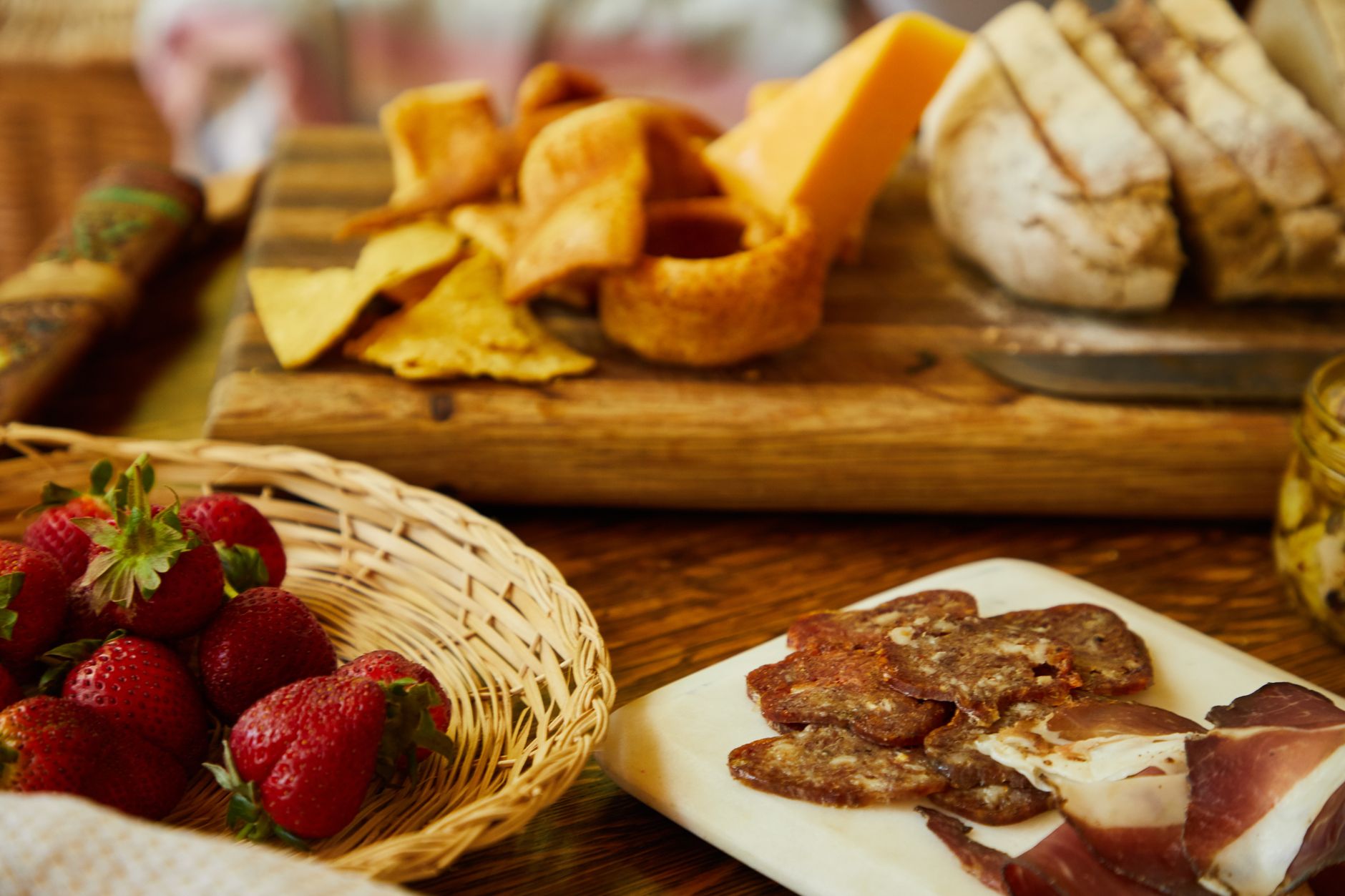
The viral social media phenomenon known as girl dinner has officially transitioned from a transient internet meme into a permanent fixture of food industry economics. What began as lighthearted short video posts depicting chaotic, highly personalized arrangements of cheese, fruit, pickles, and crackers has reshaped consumer purchasing habits across the country. Major food manufacturers and grocery retailers are now restructuring their product portfolios to capture sustained demand for bite sized, low effort dining options.
Initial reporting by Today highlighted how the trend initially gained traction as a cultural celebration of unpretentious eating, particularly among younger demographics rejecting traditional meal preparation. However, data from consumer research firms shows that this behavioral shift reflects broader changes in labor, schedule flexibility, and household economics. As individual schedules become increasingly fragmented, consumers are prioritizing convenience, customization, and portion control over traditional multi course home cooking.
Consumer packaged goods companies have taken notice, rapidly adjusting their supply chain allocations to favor shelf stable and refrigerated snack categories. Sales of premium cured meats, artisanal crackers, specialty dips, and single serve cheeses have experienced sustained double digit growth over consecutive quarters. Inventory managers are shifting prime eye level shelf space toward items that easily integrate into assembled snack platters, treating the perimeter of the store as an interconnected grazing ecosystem.
Retail intelligence platforms report that grocers are actively bundling complementary snack items together in promotional displays, effectively commodifying the trend. Instead of marketing individual ingredients for complex recipes, stores now emphasize pre packaged charcuterie boards, snack bites, and paired dips. This merchandise strategy targets high margin impulse buys while catering directly to shoppers seeking immediate, assembly only meal solutions.
The financial impact extends far beyond the supermarket aisles and into the commercial foodservice sector. Traditional sit down restaurants and quick service chains face evolving competition as consumers increasingly substitute full restaurant entrees for casual grazing plates at home. In response, operators are adjusting their menus to feature expansive small plate offerings, customizable grazing boards, and casual tasting menus designed to emulate the variety of home assembly.
Industry analysts note that restaurants adopting this modular menu approach are seeing improvements in average check sizes and higher profit margins. Small plates allow operators to optimize food cost percentages by utilizing overlapping cross utilization of ingredients while offering higher perceived value to cost conscious diners. By reframing app starters as full meal substitutes, dining establishments are reclaiming consumers who might otherwise opt for a simple home snack plate.
While social media propelled the aesthetic popularity of these assembled plates, underlying macroeconomic pressures have cemented the habit in daily life. Sustained grocery inflation and rising menu prices at full service restaurants have pushed consumers toward cost conscious alternatives that still feel indulgent. A carefully curated plate of high quality cheeses, nuts, and produce offers a psychological sense of luxury at a fraction of the price of dining out.
Furthermore, the rise of single person households and flexible remote work schedules has altered traditional domestic routines. Cooking full, complex meals for one person often leads to high levels of food waste and excessive cleanup time, making low effort assembly inherently attractive. The flexibility to combine leftover pantry items with fresh ingredients aligns with modern urban demographic patterns where time and kitchen space are at a premium.
To sustain momentum, food distributors are investing heavily in innovative packaging and extended shelf life technologies for delicate snack components. Precision micro atmosphere packaging allows cut fruits, specialty cheeses, and cured meats to remain fresh longer, reducing waste for both retailers and end consumers. Specialty food producers are also introducing targeted product lines designed explicitly for snacking, including portion controlled spreads and seasoned crisp varieties.
This structural shift is driving new product development timelines across the food manufacturing landscape. Brands are moving away from traditional family sized packages toward modular, mix and match formats that invite creative combination. By lowering the barrier to entry for artisanal products through smaller, lower price point packaging, manufacturers are successfully introducing premium ingredients to a broader demographic of everyday shoppers.
For the average consumer, the permanence of grazing culture translates to unprecedented variety and convenience in the grocery aisle. Shoppers can expect to see continued expansion of specialized snack items, paired dip displays, and pre portioned artisanal foods at mainstream retail outlets. Prices for these specialized single serve items may carry a slight premium per ounce, making strategic home assembly from bulk pantry staples the most cost effective option.
For dining out, expects menu formats to become increasingly fluid, with more establishments offering customizable small plate combinations and shareable platters. Consumers can leverage this trend to manage dining expenses by pairing multiple lower cost appetizers instead of ordering traditional, high cost entrees. Ultimately, the shift toward flexible, low effort eating gives individuals complete control over their dining routines, balancing budget constraints with personal taste preferences.
Sources and methodology
Reported from the public datasets below.
More from the Foodie Pundit Newsroom
- Beyond The Butter Board: How Viral Visual Trends Are Reshaping Restaurant Economics
- Restaurants Adapt Menu Strategies as Grazing Culture Reshapes Casual Dining Economics
- Fast Casual Chains Retreat as Footprint Reductions Take Hold Across the Country
- Renowned Houston Sichuan Spot Shuts Down Following Bankruptcy Petition
- Houston Sichuan Favorite Ghosts Customers Following Bankruptcy Filing