How Short Form Video Algorithms Are Driving Modern Restaurant Trends and Consumer Appetites
Algorithmically curated video feeds are fundamentally reshaping consumer dining preferences, restaurant inventory management, and food industry economics.
By Foodie Pundit Newsroom - Published - Updated - Section: Restaurants
Key points
- Social media recommendation engines have accelerated the pace of food trends, compressing multi-year culinary cycles into days or weeks.
- Restaurant operators face operational challenges including sudden inventory shortages and supply chain strain when dishes go viral.
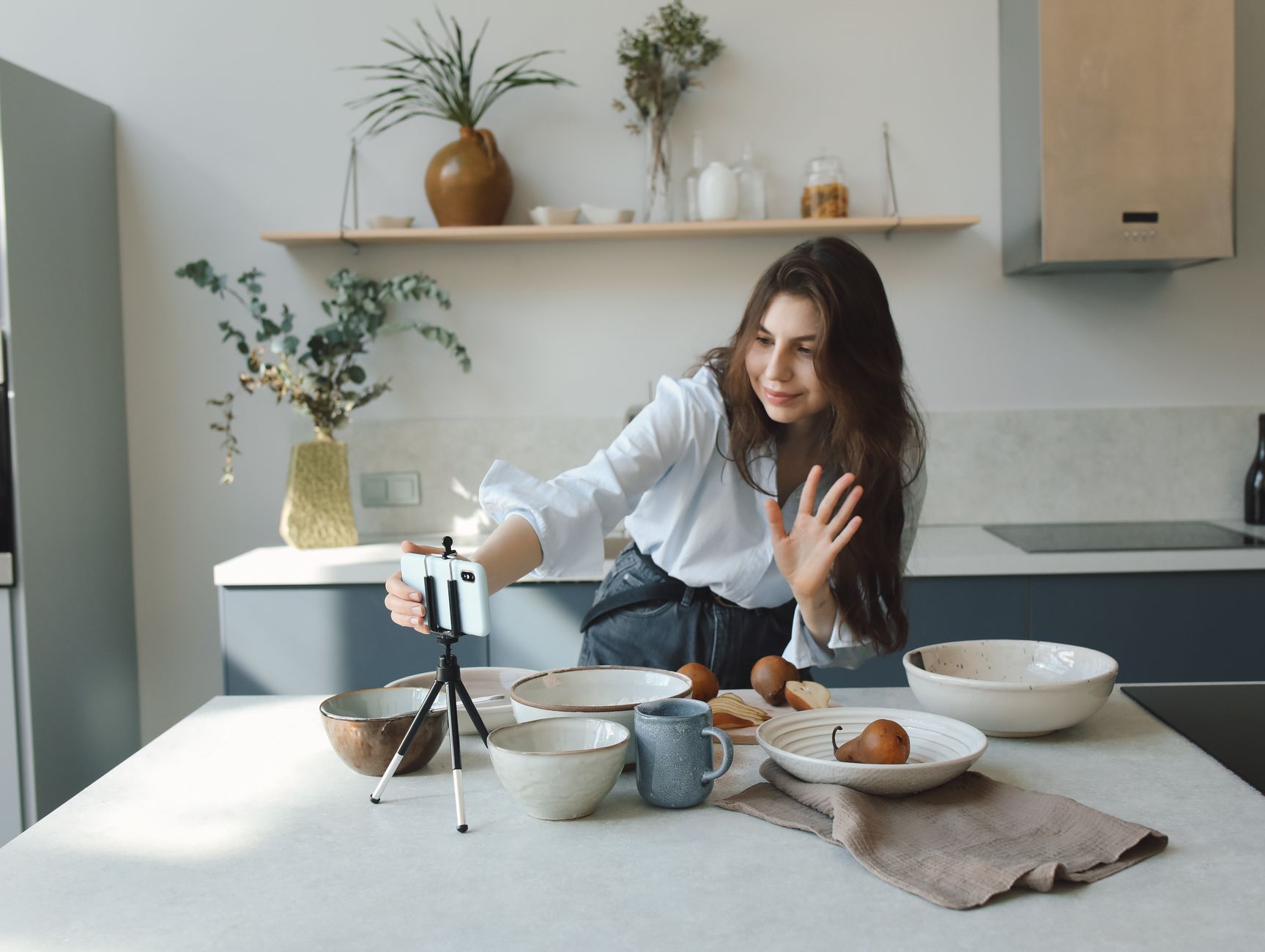
- Visual appeal and camera-ready presentations are increasingly prioritized by creators and chefs to maximize platform engagement metrics.
- Consumer dining habits are heavily influenced by social proof, transforming viral food participation into a form of digital currency.
The modern dining room is no longer defined by white tablecloths, printed paper menus, or even traditional restaurant critic reviews. Instead, the invisible hand guiding consumer appetites today is increasingly digital, algorithmic, and optimized for short video feeds. Social media platforms like TikTok, Instagram Reels, and YouTube Shorts have evolved from simple entertainment hubs into primary drivers of global food trends and dining behaviors.
According to reporting by NBC News, digital platforms are changing not only what consumers choose to cook at home, but also how professional culinary operations design their offerings. Short video formats reward visually striking, easily digestible, and often unconventional food concepts. As a result, viral phenomena ranging from simple home cooking hacks to highly stylized restaurant dishes are dictating the flow of capital and inventory across the food service landscape.
The migration of food culture to algorithmic feeds represents a fundamental shift in how culinary trends propagate. Historically, trends trickled down from high end fine dining establishments to regional casual eateries and eventually to grocery store shelves over a period of several years. Today, that multi-year cycle has been compressed into a matter of days or weeks as recommendation engines amplify specific visual traits.
Algorithms prioritize user engagement metrics like watch time, replayed loops, shares, and comments over traditional culinary merit. Dishes that possess a dramatic physical transformation, vivid colors, or unusual ingredient combinations generate higher click-through rates. Consequently, content creators and professional chefs alike are incentivized to engineer food specifically designed to capture immediate visual attention within the first three seconds of a video scroll.
REVENUE IMPACT ON THE RESTAURANT INDUSTRY
For restaurant operators, the financial consequences of going viral on social media are immense. A single trending video can transform an obscure neighborhood establishment into a destination dining location overnight, resulting in unprecedented surges in foot traffic. However, this sudden influx of customers presents severe operational challenges that many small businesses are ill equipped to manage without advance notice.
Supply chain logistics are frequently strained when an unexpected viral trend demands vast quantities of specific ingredients. Restaurants often face localized shortages, sudden price spikes, and operational bottlenecks as kitchen staff struggle to keep up with hyper focused demand. Furthermore, businesses that retool their menus to accommodate short lived digital crazes risk alienating loyal regulars once the online interest inevitably migrates to the next trending dish.
Beyond established brick and mortar restaurants, social media algorithms have enabled a new class of food entrepreneurs to emerge. Digital content creators are leveraging their massive followings to launch ghost kitchens, pop up concepts, and packaged consumer goods directly to their audiences. These virtual brands bypass traditional marketing channels by converting organic digital views directly into sales delivery orders.
This direct-to-consumer culinary model relies heavily on maintaining a constant presence within platform feeds. Operators must continually innovate new menu items that fit the prevailing aesthetic of the platform algorithm. While this creates low overhead opportunities for emerging culinary talent, it also creates an environment where culinary longevity is tied directly to the unpredictable updates of proprietary machine learning recommendation models.
From a consumer perspective, the drive to consume algorithmically promoted food is rooted in psychological mechanisms of social proof and communal participation. Participating in a viral food trend, whether by preparing a specific recipe at home or traveling to purchase a trending dessert, offers consumers a sense of shared cultural experience. The food itself becomes a form of social currency meant to be documented and shared back into the digital ecosystem.
However, industry analysts point out that visual appeal does not always translate to flavor or nutritional value. Many viral food concepts prioritize dramatic presentation over balanced flavor profiles, leading to consumer disappointment once the real world product is sampled. Despite these occasional mismatches between expectation and reality, the habit of using short form video feeds as a primary discovery tool for dining options continues to grow across all demographics.
For the average consumer, understanding the influence of algorithmic recommendation engines provides a helpful perspective when deciding where to dine or what to cook. Recognizing that viral culinary trends are optimized primarily for visual engagement rather than taste or affordability can help you make more intentional dining choices. While exploring trending dishes can introduce you to exciting new flavors, balance your feed discoveries with trusted local recommendations and personal preference.
For business owners and home cooks alike, the digital food ecosystem offers unprecedented access to global culinary inspiration. By remaining aware of how platforms curate content, you can enjoy the creativity of online food culture without letting short lived internet fads completely dictate your grocery budget or dining schedule. Staying mindful of these digital influences ensures that your plate remains a reflection of genuine taste rather than automated engagement metrics.
Sources and methodology
Reported from the public datasets below.
- U.S. Census Bureau - Monthly Retail Trade, food services
- Federal Reserve Economic Data (FRED) - Food services and drinking places series
- U.S. Census Bureau - Monthly Retail Trade, food services
- Federal Reserve Economic Data (FRED) - Food services and drinking places series
- NBC News - Your TikTok feed is low-key dictating your next meal. We investigate. - Aug 2026
More from the Foodie Pundit Newsroom
- Fat Rosie's Might Be Eyeing Miami, But The Details Are Still Blurry
- UK Supermarket Price War Deepens As Latest Basket Cost Data Reveals Retail Champions
- New York Fine Dining Industry Reshaped as Michelin Unveils Latest Star Rankings
- Eden Foods Reignites Legal Battle With CBD Company, Alleging Blatant Trademark Settlement Violation
- How Borough Market Transformed From Industrial Wholesale Hub to London Top Food Destination