McDonald's Brings Back the McRib to Menus Nationwide in Latest Promotional Push
McDonald's revives its famous limited-time pork sandwich nationwide, using scarcity marketing and supply chain positioning to drive traffic.
By Foodie Pundit Newsroom - Published - Section: Chain Watch
Key points
- McDonald's has officially brought back the McRib pork sandwich to participating locations nationwide.
- The limited-time release relies on strategic pork commodity procurement to protect restaurant margins.
- Franchisees leverage scarcity marketing to boost store foot traffic and expand mobile app usage.
- Consumers can use the brand's mobile app to verify local availability and access potential discounts.
Fast food giant McDonald's has officially restored the McRib to its nationwide promotional lineup, marking yet another chapter in the long history of the pork sandwich. According to reporting from The Sun, the seasonal item is making a full return across participating locations, giving consumers nationwide another chance to purchase the elusive item. The move follows months of speculation among industry analysts and brand followers who monitor the chain's limited-time offering schedule.
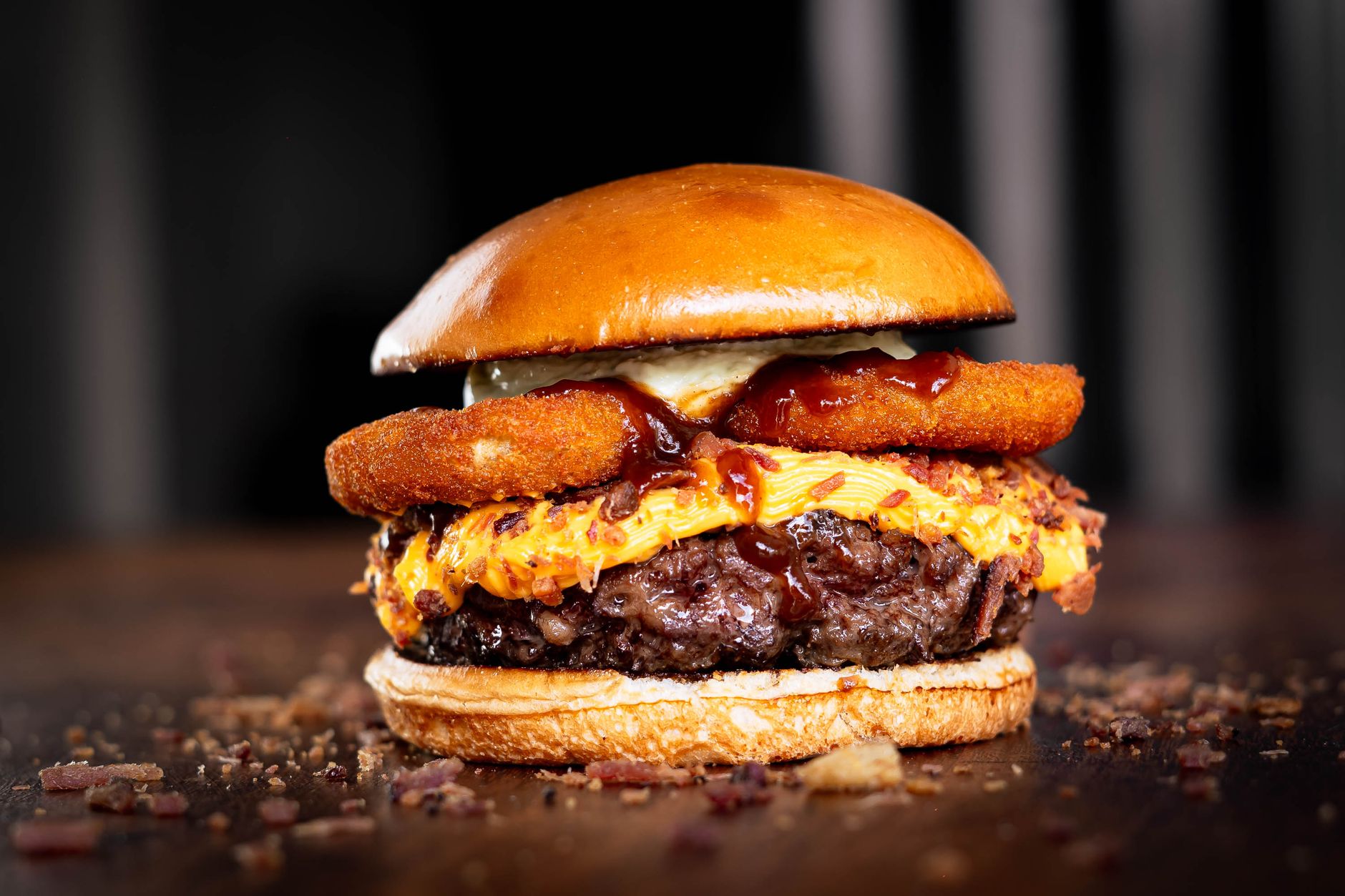
First introduced to the McDonald's menu in 1981, the McRib consists of a restructured boneless pork patty shaped to resemble a miniature rack of ribs. The patty is smothered in a smoky barbecue sauce and topped with slivered onions and dill pickles, served on a toasted homestyle roll. Despite its decades-long history, the item has rarely maintained a permanent spot on the domestic core menu, operating instead as a tactical promotional tool used to drive store traffic during key retail quarters.
The decision to bring back the sandwich involves complex supply chain coordination and precise market timing. McDonald's relies heavily on localized pork purchasing power to ensure the margins on the item remain profitable during its run. Because pork commodity prices fluctuate throughout the fiscal year, executive teams typically time the release of the sandwich to align with favorable pork procurement costs. This purchasing strategy allows the company to maximize gross margins while offering a high-profile item without increasing standard menu prices drastically.
From a store management perspective, adding a high-demand limited-time item requires targeted kitchen adjustments and crew retraining. Kitchen staff must handle dedicated barbecue sauce holding stations and manage specific grill times to accommodate the pork patties alongside standard beef and chicken offerings. Ensuring that franchisee locations maintain operational speed while handling additional order volumes remains a critical benchmark for the corporation during these promotional pushes.
The McRib represents one of the most successful examples of scarcity marketing in the modern restaurant industry. By repeatedly announcing the departure and eventual return of the sandwich, McDonald's creates an urgent purchasing environment that encourages immediate visits. This strategy generates significant organic media coverage and social chatter, reducing the overall advertising spend required to convert foot traffic during the promotional window.
Industry experts note that limited-time offerings serve a dual purpose for quick-service brands. Beyond generating immediate top-line revenue, these items re-engage dormant consumers who may not routinely visit the chain for standard menu items like the Big Mac or Quarter Pounder. Once inside the store or mobile application, these returning guests frequently purchase higher-margin side items and beverages, effectively lifting the overall average check size across the system.
For individual franchise operators, the arrival of a national limited-time item brings both opportunities and financial trade-offs. Franchisees pay into a shared national advertising fund that supports the marketing campaign surrounding the return. In exchange, store owners expect a noticeable lift in overall transaction counts during the campaign's peak weeks.
However, operational complexity can sometimes press against drive-thru throughput times. When an item requires specialized assembly steps or custom holding procedures, kitchen bottlenecks can form during lunch and dinner rushes. Operators must carefully balance the financial benefits of increased guest traffic against the risk of longer wait times, which can alienate core customers seeking fast service. Successful franchisees offset these risks by optimizing staging lines and shifting experienced staff to primary assembly positions during high-volume periods.
DIGITAL INTEGRATION AND MOBILE APP DRIVERS
In recent years, McDonald's has increasingly leveraged the McRib to expand its digital footprint and mobile app user base. By offering exclusive early access, targeted discounts, or loyalty reward multipliers through its mobile platform, the company converts casual sandwich fans into registered digital users. This digital strategy provides the corporation with valuable customer data, allowing for more personalized marketing long after the promotional window closes.
App-driven promotions also help store operators manage daily product demand more effectively. Mobile order data gives store managers clearer visibility into local inventory consumption, enabling smarter ordering from regional distribution centers. As quick-service chains continue to shift focus toward digital loyalty programs, nostalgic menu items remain one of the most effective incentives for driving app downloads and active monthly usage.
For the everyday consumer, the return of the McRib offers a brief opportunity to buy a unique fast food item that remains absent for most of the year. Customers looking to purchase the sandwich should check their local McDonald's mobile application to confirm availability, as participating locations and inventory levels can vary by market. Utilizing the digital app may also yield promotional discounts or loyalty points that lower the out-of-pocket cost of the meal.
From a budget perspective, consumers should remain aware of localized price variations across different franchise territories. Because individual operators set their own pricing based on regional labor and overhead costs, the price of the sandwich can differ significantly between adjacent cities. Visiting stores during off-peak hours can also help ensure fresh preparation and faster service while drive-thru lanes experience elevated promotional traffic.
More from the Foodie Pundit Newsroom
- Taco Bell Targets Rapid Overseas Expansion With Plan For 1,000 New International Units
- Wave of Restaurant Chain Restructurings Signals Broader Shift in Dining Industry Economics
- McDonald's Re-Engineers Kitchen Operations to Upgrade the Classic Big Mac
- Viral No-Cook Dining Trends Reshape Grocery Sales and Restaurant Menus
- Supermarket Prices Show Uneven Relief As Grocery Categories Diverge