Mid-Year Menu Drops Signal Strategic Shift in Upscale Dining Economics
Top-tier dining venues across Southeast Asia are introducing limited-time menus to boost foot traffic and protect margins through strategic ingredient pairing.
By Foodie Pundit Newsroom - Published - Section: Restaurants
Key points
- High-end restaurants are pairing luxury ingredients like truffles with cost-effective proteins to preserve profit margins.
- Limited-time menu drops serve as a key strategy to drive guest volume and create urgency during shoulder dining seasons.
- Integrated beverage pairings and modular digital menus give operators vital tools to combat rising overhead and supply chain volatility.
The culinary landscape across Southeast Asian dining capitals is undergoing a noticeable shift as operators recalibrate their menus for the middle of the year. Recent reporting from Lifestyle Asia Kuala Lumpur highlights a surge of high-profile dish debuts, seasonal tasting menus, and limited-time promotional concepts arriving across top-tier dining establishments. Restaurant operators are using targeted menu updates to maintain customer interest and drive revenue amid changing economic conditions and heightened competition.
In the post-pandemic hospitality economy, seasonal menu changes serve a crucial dual purpose for independent restaurants and hotel dining rooms. Beyond satisfying consumer demand for novelty, strategic menu rotation allows operators to manage food costs effectively by featuring ingredients at their peak supply. The introduction of premium items, such as imported black truffles paired with accessible proteins like poultry, demonstrates how chefs balance luxury positioning with cost-effective ingredient sourcing.
LUXURY INGREDIENTS MEET ACCESSIBLE PROTEINS
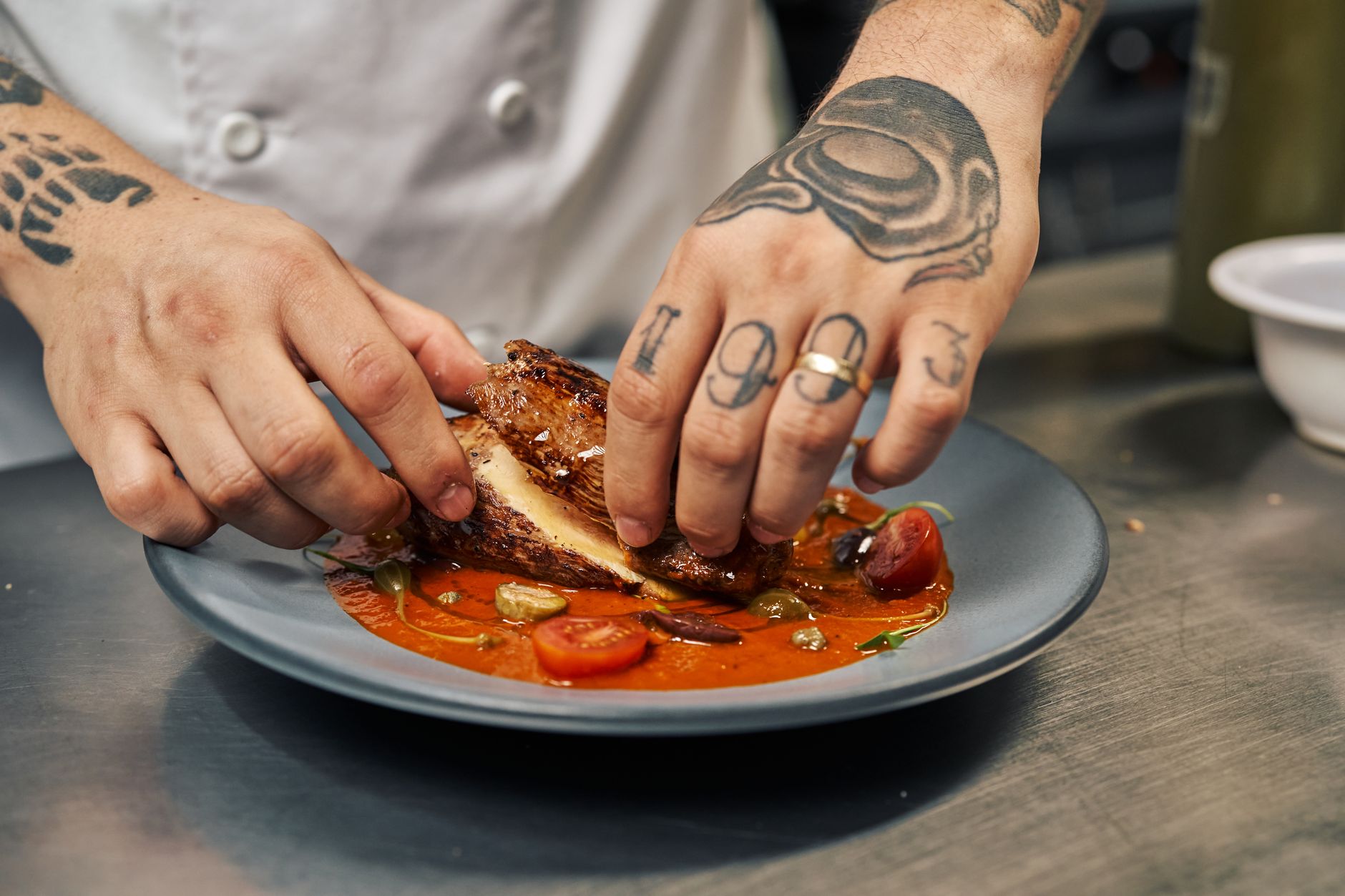
One of the prominent trends identified in the regional market involves pairing elevated, high-margin ingredients with relatively lower-cost foundation components. A prime example is the recent popularity of elevated poultry dishes, where humble roasted chicken is upgraded through the addition of truffle butter, shaved black truffles, or rich reduction sauces. By focusing on labor-intensive preparation and high-value garnishes rather than expensive raw cuts of meat, kitchens achieve favorable food-cost ratios while still commanding premium menu prices.
This approach reflects a broader industry movement toward perceived value in fine casual and upscale dining segments. Diners seeking memorable experiences are often willing to pay a premium for recognizable luxury flavors, even if the primary protein remains modest. Restaurant management teams report that these hybrid luxury dishes frequently yield higher profit margins than traditional center-of-plate items like wagyu beef or fresh seafood, which suffer from volatile wholesale pricing.
LIMITED-TIME OFFERINGS AS A VOLUME DRIVER
The strategic timing of menu drops in late spring and early summer also aligns with shifting consumer spending patterns. As business travel and leisure dining stabilize following major holiday periods, operators turn to limited-time offerings to create urgency among local diners. Exclusive menus and promotional dishes give marketing teams fresh narratives to push across social media channels and digital media partnerships, effectively lowering customer acquisition costs during shoulder seasons.
According to industry analysts, limited-time menus generate a measured bump in foot traffic by appealing to dedicated food enthusiasts and frequent diners. The fear of missing out on short-run culinary collaborations or seasonal ingredients encourages consumers to book reservations earlier than they might for a standard menu. Furthermore, these promotional windows give culinary teams a controlled environment to test prospective new anchor dishes before committing to permanent menu integration.
BEVERAGE PAIRINGS AND TICKET SIZE OPTIMIZATION
Alongside food updates, regional venues are increasingly relying on sophisticated beverage programming to boost average check sizes. The introduction of specialized cocktail pairings, artisanal non-alcoholic infusions, and curated wine selections designed around new menu items allows service staff to upsell effectively at the table. High-margin beverage sales remain the most reliable mechanism for protecting net profitability as operational overhead, labor, and utility costs continue to climb globally.
Establishments featured in recent dining roundups demonstrate a clear emphasis on storytelling through their beverage lists. Mixing local botanical elements with international spirits or rare teas creates a distinctive sense of place that supports higher pricing power. When guests perceive a cohesive concept between the kitchen and the bar, total spend per seat routinely increases, insulating venues against margin compression on food items.
SUPPLY CHAIN ADAPTATION AND SEASONAL FLEXIBILITY
The operational logistics behind frequent menu changes require tight coordination with agricultural suppliers and international distributors. Procurement teams must navigate fluctuating air freight costs, shifting import regulations, and seasonal availability constraints when planning new offerings. By leaning into shorter menu lifecycles, chefs retain the flexibility to pull or substitute items rapidly if supply chains experience localized disruptions or sudden price spikes.
This operational agility has become a defining characteristic of resilient restaurant businesses. Rather than locking into multi-month printed menus that risk margin erosion, forward-thinking operators utilize modular menu structures and digital QR menus to adjust pricing or dish components in real time. Consumers have largely embraced this dynamic approach, interpreting frequent updates as a sign of kitchen creativity and fresh, high-quality sourcing rather than administrative instability.
For the everyday diner, the current wave of mid-year menu updates offers an ideal opportunity to experience creative, high-end culinary concepts without committing to full multi-course tasting menus. Consumers should look for limited-time promotional items at top local venues, as these dishes often showcase a kitchen team at its most innovative while providing excellent value relative to standard luxury offerings. Checking dining news outlets and venue social media accounts directly can help you secure reservations before seasonal promotions expire.
From an industry perspective, these menu drops signal a healthy, highly competitive restaurant ecosystem that is actively adapting to economic realities. By understanding how operators leverage luxury ingredient pairings, limited-time marketing, and integrated beverage programs, diners can better appreciate the craftsmanship and business strategy required to keep top restaurants thriving in today's market.
Sources and methodology
Reported from the public datasets below.
More from the Foodie Pundit Newsroom
- Big-Box Retailers Overhaul Digital Apps and Food Aisles to Secure Gen Z Shoppers
- The Business Behind NYC's Most Coveted Tables
- The Lobster Tan Trend Is Blowing Up TikTok, but Your Skin Barrier Is Paying the Price
- Viral Watermelon and Mustard Trend Exposes the Business of High Contrast Flavors
- Watermelon and Mustard Trend Captivates Social Media and Tests Flavor Science