Seventy Year Old Bay Area Diner Prepares to Close Its Doors for Good
A historic Northern California diner ends its seven decade run as economic pressures continue to transform the regional restaurant industry.
By Foodie Pundit Newsroom - Published - Section: Restaurants
Key points
- A iconic Bay Area diner is closing after seventy years of operation in Northern California.
- Rising commercial rents, high labor expenses, and supply chain inflation continue to pressure legacy independent eateries.
- Generational succession challenges make it difficult for long standing family restaurants to transition to new ownership.
- Changing consumer habits have reduced foot traffic for traditional counter service diners across the region.
SAN FRANCISCO BAY AREA -- The culinary landscape of Northern California is shifting once again as another historic dining institution prepares to turn off its griddles for the last time. After more than seven decades of serving classic comfort food to generations of locals, a beloved Bay Area diner is closing its doors permanently. The departure marks the end of a seventy year legacy that survived decades of demographic shifts, economic recessions, and the modern transformation of the regional food economy.
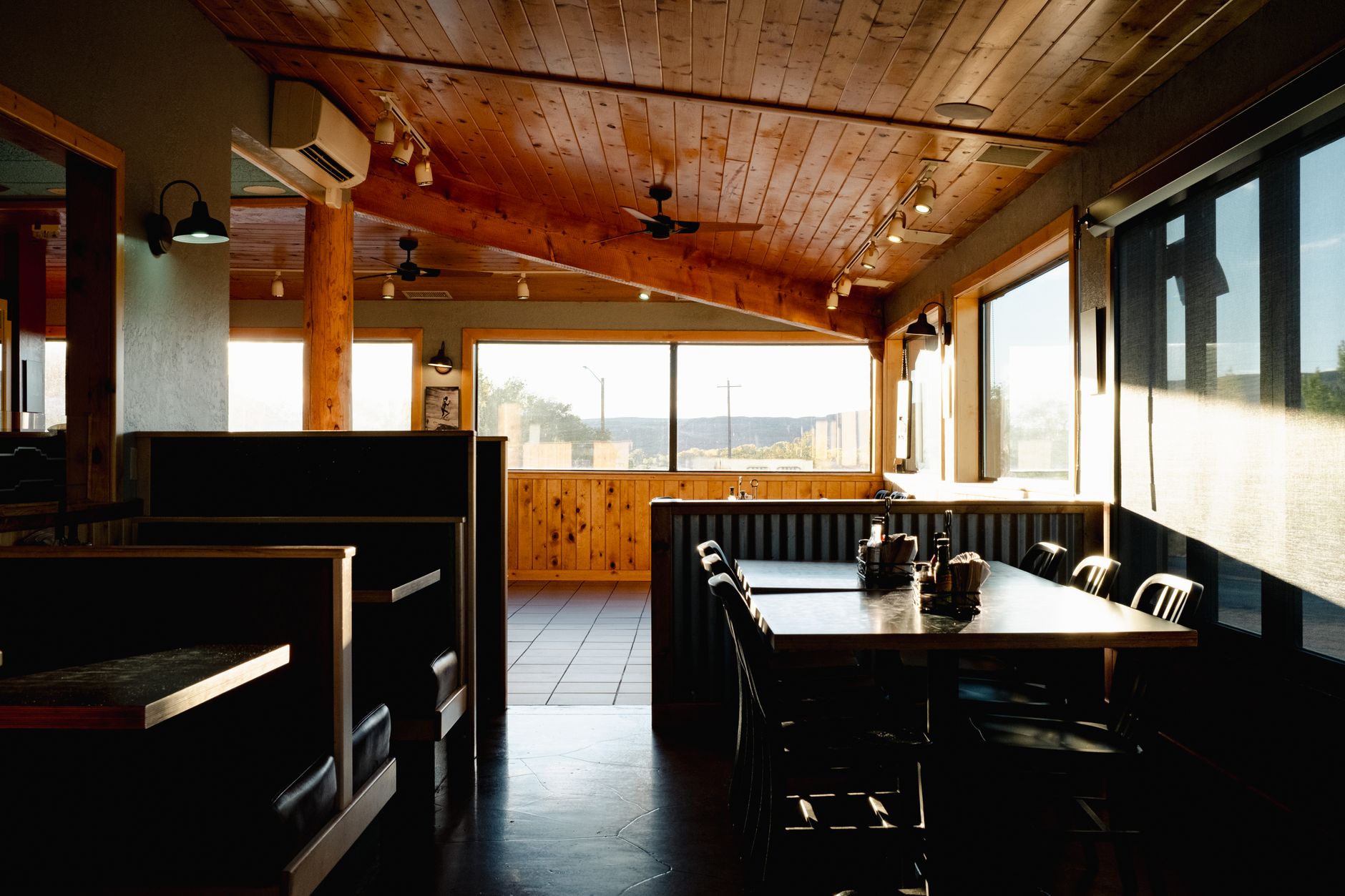
According to reporting by SFGATE, the establishment built its reputation on straightforward diner staples, consistent quality, and a deeply rooted presence in its neighborhood. For decades, the counter service and worn vinyl booths served as a community gathering space where regulars knew the staff by name. The sudden announcement of the closure has prompted a surge of nostalgic patrons eager to secure one final meal before the front doors lock for good.
A CHANGING ECONOMIC REALITY FOR HERITAGE EATERIES
The closure of a seventy year old restaurant is rarely the result of a single factor. Operating a traditional, low margin diner in the modern Bay Area presents a unique set of financial hurdles that have intensified over the last decade. Rising commercial real estate costs, escalating labor expenses, and soaring wholesale food prices have compressed operating margins across the casual dining sector.
For long standing independent restaurants, property taxes and lease renewals often create unsustainable overhead costs. When legacy lease agreements expire, property owners frequently adjust rents to match current market rates, which can double or triple a restaurant monthly expenses overnight. Legacy operations that rely on high volume and lower price points struggle to absorb these modern cost increases without pricing out their core customer base.
Beyond real estate challenges, independent restaurant operators in Northern California face some of the highest operational labor costs in the country. Minimum wage adjustments, combined with mandatory healthcare contributions and payroll taxes, mean that keeping a full staff on the floor requires significantly higher revenue than it did even a decade ago.
Supply chain volatility has further complicated the financial picture for traditional diners. Core ingredients such as eggs, beef, butter, and potatoes have experienced sharp price spikes over recent years. While larger restaurant chains can leverage corporate purchasing power to negotiate volume discounts with broadline distributors, single location operators must absorb wholesale price increases directly or constantly reprint menus with higher retail prices.
THE GRUELING REALITY OF GENERATIONAL TRANSITIONS
Another major factor contributing to the disappearance of multi decade diners across the nation is the challenge of family succession. Many iconic midcentury restaurants were founded by post war entrepreneurs who worked grueling twelve hour days for decades. As these original owners reach retirement age, their children and grandchildren often choose careers outside the stressful, low margin hospitality industry.
Finding a qualified external buyer for a legacy diner can also prove difficult. Potential investors often prefer to launch new concepts with modern point of sale technology, sleek aesthetic designs, and fast casual service models that require fewer front of house staff. Transferring a classic diner concept to a new owner while preserving its historical identity is a delicate financial proposition that frequently falls through.
SHIFTING CONSUMER HABITS IN NORTHERN CALIFORNIA
The dining habits of Bay Area residents have evolved dramatically since the middle of the twentieth century. Classic diners dominated the midcentury food scene by offering quick, reliable, and affordable meals from early morning until late at night. Today, consumer preferences in the region lean heavily toward health conscious options, specialized dietary offerings, and globally inspired fast casual concepts.
Furthermore, the rise of digital ordering, mobile third party delivery platforms, and specialized coffee shops has altered morning dining routines. The traditional sit down breakfast at a lunch counter has increasingly been replaced by grab and go options or specialized espresso bars. Legacy diners that relied on steady, low ticket morning transactions have seen foot traffic erode as work patterns and commute habits changed across the region.
The loss of a seventy year old dining institution is a stark reminder of the fragile financial ecosystem supporting independent food businesses. When a neighborhood icon closes, local consumers lose more than just a place to buy a meal, they lose a physical anchor of community history. These establishments served as democratic spaces where diverse neighborhood residents gathered over common meals for decades.
For diners who want to preserve remaining legacy restaurants in their own communities, direct financial support is essential. Choosing to eat at independent casual eateries, ordering directly through the restaurant rather than third party delivery apps, and tipping staff generously can help operators manage ongoing financial pressures. Visiting long standing local spots today ensures that these cultural and culinary foundations can continue serving future generations.
Sources and methodology
Reported from the public datasets below.
More from the Foodie Pundit Newsroom
- Behind the Hype: How New York City's Hotspot Economy Drives the Restaurant Sector
- Demand Surge and Economic Shifts Redefine New York City Culinary Scene
- Inside the Economics of New York City Most Coveted Dining Tables
- Grocery Relief Arrives Unevenly as Select Staples Drop While Other Prices Stay Sky High
- The Economic and Cultural Drivers Behind the Lasting Resurgence of Girl Dinner