Smart Farms Leverage Computational Tools to Boost Crop Yields and Combat Climate Volatility
Advanced digital systems and automated machinery are reshaping agricultural economics by optimizing crop yields and stabilizing wholesale food supply chains.
By Foodie Pundit Newsroom - Published - Section: Sustainability
Key points
- Predictive software and field sensors allow growers to precisely allocate fertilizers and water, significantly reducing operating costs.
- Accurate yield forecasting minimizes commodity price volatility for commercial food buyers and restaurant supply chains.
- Automation is easing seasonal labor shortages while driving demand for specialized technical skills in rural communities.
- High-precision irrigation and microclimate monitoring help farms maintain peak productivity despite extreme weather events.
Farming operations across the globe are turning to advanced digital systems to streamline field management and increase food output. As climate volatility threatens global food supply chains, growers are adopting high-tech sensors, autonomous machinery, and predictive software to optimize everyday decisions. This technological shift is altering the economic landscape of modern agriculture and reshaping how food moves from seed to table.
Recent analysis highlighted by the Times Union indicates that data-driven farming tools are helping agricultural producers navigate unpredictable weather patterns. Traditional farming methods relied heavily on generational knowledge and generalized weather reports. Modern operators now rely on hyper-local data points collected by field drones, soil sensors, and satellite networks to monitor real-time environmental factors.
precise resource allocation stands out as one of the most immediate economic impacts of this technological migration. Synthetic fertilizers, pest controls, and water irrigation represent significant line items in any agricultural operational budget. Automated tools allow farmers to apply these costly inputs only where and when they are strictly necessary, cutting resource waste dramatically.
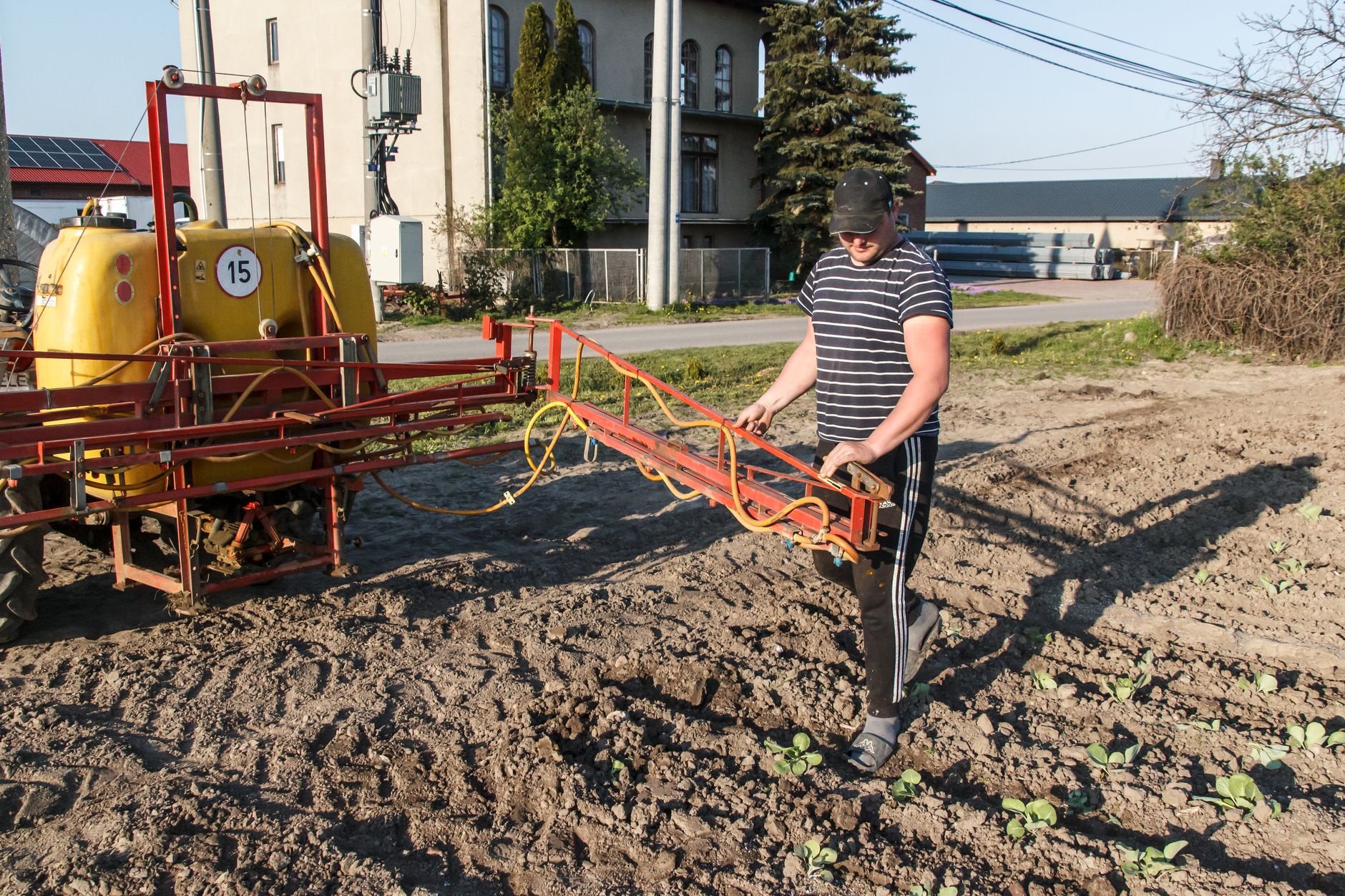
By minimizing excessive chemical application, farms lower their direct operational costs while reducing chemical runoff into surrounding ecosystems. High-precision spraying technology enables machinery to target individual weeds while sparing surrounding cash crops. This targeted approach preserves overall soil health and extends the usability of arable land over multiple growing seasons.
algorithmic yield forecasting is also changing how agricultural commodities are priced and distributed across wholesale markets. Predictive software processes historical climate data, current moisture levels, and plant genetic profiles to estimate harvest volume months in advance. Accurate forecasts prevent market gluts and severe spot shortages, stabilizing prices for both agricultural processors and commercial buyers.
Restaurant chains and institutional food buyers rely heavily on these precise yield predictions to hedge against market volatility. When supply chain managers know expected crop sizes well before harvest begins, they can negotiate long-term purchasing contracts with greater confidence. This predictability helps insulate downstream businesses from sudden spikes in wholesale ingredient costs.
The integration of smart technology into field operations is fundamentally altering agricultural labor dynamics. The farming sector has long struggled with chronic labor shortages, particularly during intense planting and harvesting windows. Autonomous tractors, robotic harvesters, and automated sorting lines are filling labor gaps that previously threatened seasonal harvests.
While automation reduces dependency on raw manual labor, it creates a growing demand for specialized technical workers in rural areas. Modern farm hand roles are increasingly evolving into data management and equipment maintenance positions. Agricultural enterprises are investing heavily in re-skilling their workforces to manage complex software dashboards and maintain autonomous field equipment.
These operational shifts require significant upfront capital expenditure, creating a distinct division between large commercial farms and smaller family operations. Independent producers often struggle to absorb the high initial costs of smart machinery and sensor suites. Equipment manufacturers and agricultural cooperatives are developing subscription-based software models and shared-equipment programs to bridge this capital gap.
CLIMATE RESILIENCE AND THE FUTURE SUPPLY CHAIN
Climate change continues to introduce extreme heat, drought, and invasive pests into traditional growing regions. Advanced analytical software helps growers identify emerging microclimates and shift crop selections accordingly. By simulating various environmental scenarios, algorithms can recommend ideal planting times and crop strains suited for shifting local conditions.
Water conservation represents another critical area where computational tools are delivering measurable returns. Smart drip irrigation systems automatically adjust water flow based on soil moisture depth and atmospheric humidity. In drought-prone growing regions, these conservation tools allow farms to maintain high yield levels while drawing significantly less groundwater.
Improving yield efficiency on existing farmland reduces the pressure to convert wild forests and natural grasslands into agricultural plots. By maximizing the productive capacity of existing acres, tech-enabled agriculture helps preserve natural carbon sinks while meeting global food demand. Industry observers note that higher yield density per acre is essential for sustaining a growing global population.
As these systems become more sophisticated, the line between technology sector innovations and baseline agricultural practices will continue to blur. Enterprise food brands are increasingly investing directly in agricultural technology startups to secure their future ingredient pipelines. The convergence of computational analytics and raw field production is rapidly establishing a new baseline for global food security.
For consumers and restaurant operators, the digital transformation of agriculture brings long-term pricing stability to the grocery aisle and dining room. Improved yield forecasting and input reduction help shield food buyers from wild price swings caused by extreme weather events. As farmers optimize their operations, supply chains become more resilient against global shocks.
Restaurateurs can expect more consistent ingredient quality and standardized supply schedules throughout the calendar year. Advanced tracking systems paired with targeted farming practices ensure that produce arrives at distribution centers with fewer defects and longer shelf lives. This reliability translates directly into reduced kitchen waste and more predictable food costs for hospitality businesses.
Ultimately, supporting sustainable yield improvements helps protect global food supplies without requiring massive land expansion. As computational farming practices mature, the food industry moves closer to balancing economic profitability with environmental stewardship. Consumers gain access to a reliable, ethically grown supply of fresh produce that withstands the pressures of a changing climate.
Sources and methodology
Reported from the public datasets below.
More from the Foodie Pundit Newsroom
- Gut Health Drives Fermented Foods Into Mainstream Restaurant Menus
- Southeast Asian Fine Dining Swaps Fake Truffle Oil for Real Shaves and Local Wood Smoke
- Pre-Mix Revolution Reshapes Beverage Alcohol as Consumer Demand Surges
- GLP-1 Weight Loss Drugs Force Major Shift Across Food and Restaurant Industries
- CPG Mergers and Acquisitions Prepare for Massive Resurgence Across Food Sector