Street Vendors Leverage Video Algorithms To Fuel Physical Lines and Brand Equity
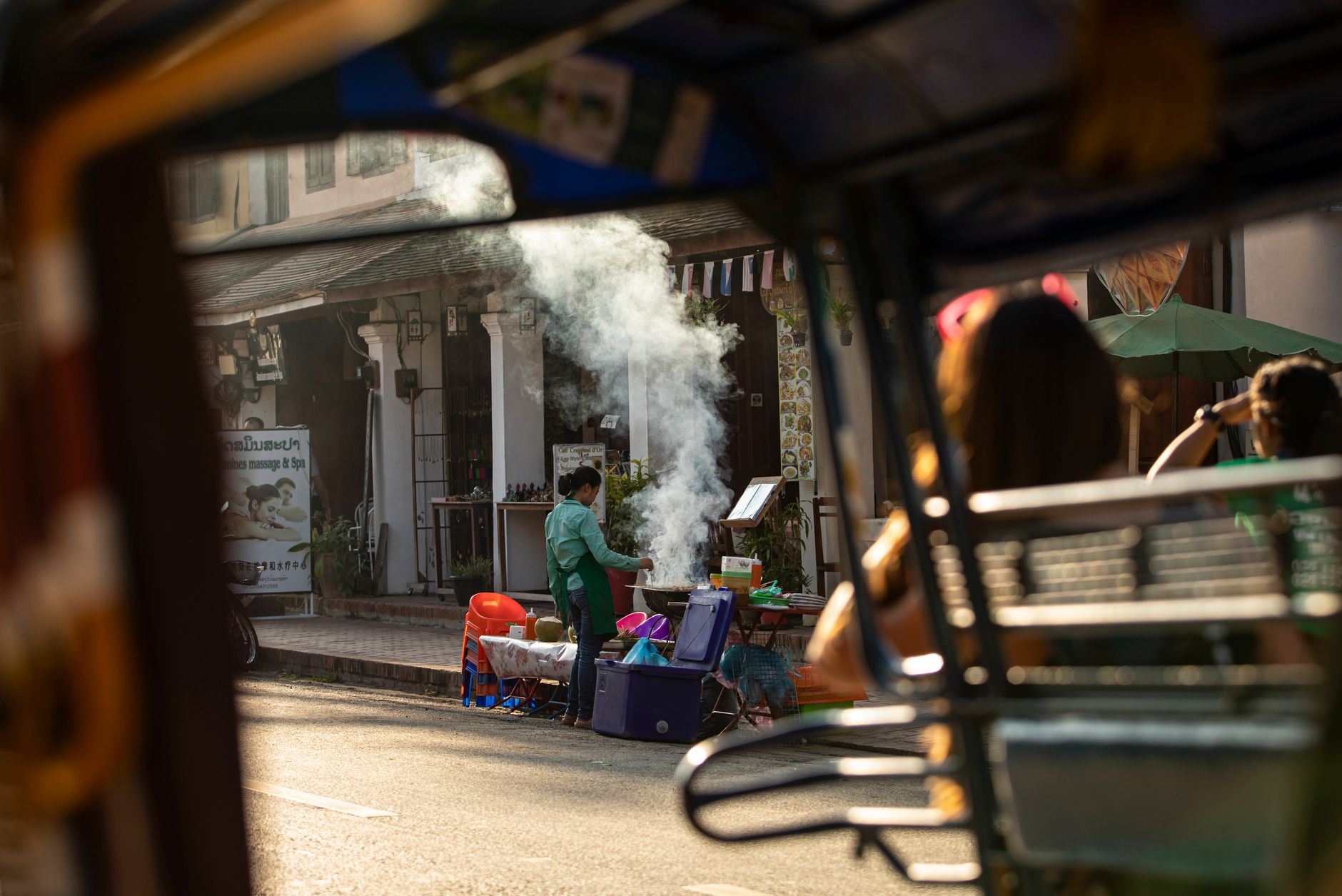
Independent vendors leverage short video algorithms and visual preparation techniques to transform local food carts into global culinary destinations.
By Foodie Pundit Newsroom - Published - Updated - Section: Restaurants
Key points
- Social media platforms allow low footprint vendors to substitute viral media reach for expensive real estate placement.
- Operational adjustments like menu compression and daily portion limits help micro kitchens handle sudden volume spikes.
- Secondary revenue streams including retail products and brand partnerships expand profitability beyond physical food sales.
- Modern consumers increasingly view novel food experiences as social currency to share across personal networks.
THE ARCHITECTURE OF A DIGITAL FOOD SENSATIONS
Street food vendors across global urban centers are shifting from traditional foot traffic strategies toward algorithmic content engineering. Recent reporting from The Blog Chatter highlights how small scale operators are turning modest food carts into high volume digital destinations. These businesses are using short form video platforms to convert local culinary preparation into global media assets. The phenomenon marks a structural change in how independent food service businesses build brand equity and secure initial market traction.
Historically, street food operators relied on physical placement, neighborhood reputation, and low overhead to sustain profitability. High foot traffic locations near transit hubs or financial districts provided a reliable stream of daily customers. Today, the digital ecosystem allows vendors operating in remote or low traffic corridors to generate substantial line traffic through viral social media exposure. The algorithm acts as a digital megaphone, replacing expensive real estate with compelling visual storytelling.
THE MECHANICS OF ENGAGEMENT DRIVEN DINING
To understand how street vendors capture massive online audiences, analysts point to specific sensory elements inherent to quick service food preparation. Sizzling proteins, melting cheeses, dramatic sauce drippings, and rapid knife work create immediate visual hooks. Short video formats reward high contrast visuals and rhythmic, repetitive audio, commonly referred to as autonomous sensory meridian response. Vendors who structure their cooking processes to emphasize these elements often see exponential growth in video views.
This online engagement translates directly into physical foot traffic and heightened consumer demand. Diners travel long distances not merely to consume a meal, but to participate in a shared cultural moment documented on social channels. The physical dish becomes a tangible trophy, proving the customer visited the location featured in popular video feeds. This dynamic turns regular food lovers into active promoters, fueling a self sustaining loop of user generated content.
OPERATIONAL IMPACTS ON SMALL SCALE KITCHENS
While rapid viral growth offers unprecedented marketing reach, it presents severe operational challenges for small footprint businesses. Independent vendors typically operate with limited cold storage, minimal prep surfaces, and tight staffing models. A sudden surge in daily patrons driven by a viral video can quickly overwhelm a kitchen, leading to extended wait times, inventory stockouts, and staff burnout. Managing physical queues while maintaining consistent quality control becomes a delicate balancing act for operators.
To survive the shift from local vendor to viral destination, operators are adopting specialized operational frameworks. Many choose to streamline their menus, focusing exclusively on one or two visually striking signature items. Menu compression allows kitchen staff to prep larger quantities of raw ingredients in advance and optimize throughput during peak hours. Other operators implement digital ticketing systems or set strict daily portion limits to manage customer expectations and preserve product standards.
The financial profile of a viral street food vendor differs sharply from traditional brick and mortar restaurants. Standard full service restaurants allocate significant revenue toward prime commercial rent, complex labor models, and broad marketing budgets. Street vendors operating in lower cost locations avoid high fixed real estate costs while generating comparable top line sales during periods of high demand. This dynamic allows operators to capture higher gross margins on individual menu items.
Furthermore, digital prominence opens secondary revenue streams that traditional operators rarely access. High profile vendors frequently monetize their brand equity through sponsored content, branded merchandise, packaged retail sauces, and pop up appearances at foreign culinary festivals. These supplementary income sources insulate the core business against supply chain price spikes and seasonal weather dips. The street food cart serves as a testing ground for a broader digital media enterprise.
The rise of engagement focused street food highlights a broader consumer trends within the hospitality sector. Modern consumers increasingly view dining experiences through the lens of social currency, where the act of purchasing and sharing a unique item holds as much value as the food itself. This flex culture prioritizes exclusivity, visual impact, and novel preparation methods over conventional fine dining tropes.
As traditional restaurant operators monitor these trends, many are adjusting their own menu development strategies to incorporate photogenic elements. However, authentic street vendors maintain a distinct competitive advantage through perceived scarcity and lower price points. The informal nature of a street cart creates an approachable environment that contrasts sharply with formal dining rooms, making the final product feel accessible yet exclusive.
For everyday consumers, the integration of social video and street food means discovery is no longer limited by geographic proximity. Food lovers can identify unique local specialties and support independent micro businesses long before those vendors achieve mainstream commercial distribution. However, consumers should prepare for longer wait times, limited menu choices, and potential daily sellouts when visiting businesses that earn high online visibility.
For independent restaurant owners and food entrepreneurs, the trend demonstrates that visual marketing can offset traditional physical location disadvantages. By designing products and prep routines that perform well on video platforms, small vendors can build a national brand footprint on a modest capital budget. Maintaining consistent product quality and operational discipline during sudden demand spikes remains the primary requirement for long term commercial survival.
Sources and methodology
Reported from the public datasets below.
More from the Foodie Pundit Newsroom
- Asian Street Food Models Redefine Restaurant Industry Overhead and Efficiency
- Culinary Industry Adapts as New Consumer Demands Drive 2026 Dining Shifts
- Grocery Chains Expand Digital Loyalty Perks to Shield Shoppers from Food Inflation
- Japanese Milk Bread Sweeps the UK as Social Media Drives Bakery Craze
- Reports Signal New Restaurant Growth in Jacksonville, But Details Remain Scarce