The Atlanta Kitchen Where a Second Chance Is the Main Ingredient
A new Westside establishment is earning accolades not just for its seasonal menu, but for its radical approach to staffing that offers a new beginning to
By Foodie Pundit Newsroom - Published - Updated - Section: Restaurants
Key points
- Social enterprise is a viable and growing niche in the restaurant sector, serving as a powerful differentiator to attract both customers and talent.
- Tapping into non-traditional labor pools, such as formerly incarcerated individuals, offers a strategic solution to the industry's chronic labor shortages.
- Modern consumers are increasingly aligning their spending with their values, creating a clear market for high-quality, mission-driven restaurant concepts.
- The long-term success of a social enterprise restaurant hinges on its ability to deliver a flawless culinary experience; the mission attracts customers, but quality ensures their return.
ATLANTA - In a city’s vibrant and often crowded culinary landscape, a new restaurant must have more than a novel concept to truly distinguish itself. It needs a point of view, a reason for being that extends beyond the plate, especially when food commodity prices are experiencing noticeable shifts. Veridian Table, a recent addition to the rapidly evolving Westside neighborhood, has found its purpose, and it is a compelling one. It is not only serving inventive New American cuisine but is also building a new model for social enterprise, one that wagers on the power of a stable job to change a life.
The restaurant, which opened its doors three months ago, has a mission that is twofold. First, to deliver an exceptional dining experience rooted in seasonal, locally sourced ingredients, a strategy that cleverly navigates current market dynamics where items like pork are up 1.35% from last month, and sugar finds itself 2.37% pricier. Second, and more profoundly, to provide comprehensive training and employment to individuals reentering society after incarceration.
This dual focus places Veridian Table at the forefront of a growing movement in hospitality, one where conscious capitalism is not just a marketing slogan but the core of the business plan, a plan that looks even smarter given the latest government figures reveal flour prices dropped 0.70% this past month, offering a subtle edge to astute operators.
This is a story of a culinary win-win, but the implications run deeper than simple feel-good fare. A NEW CULINARY MODEL
The driving force behind Veridian Table is Chef Evelyn Reed, a veteran of several Michelin-starred kitchens in New York and Chicago. Reed’s culinary philosophy is deceptively simple: procure the best possible ingredients from the surrounding region and prepare them with technical precision and minimal fuss. The result is a menu that is both refined and deeply connected to Georgia’s agricultural heritage.
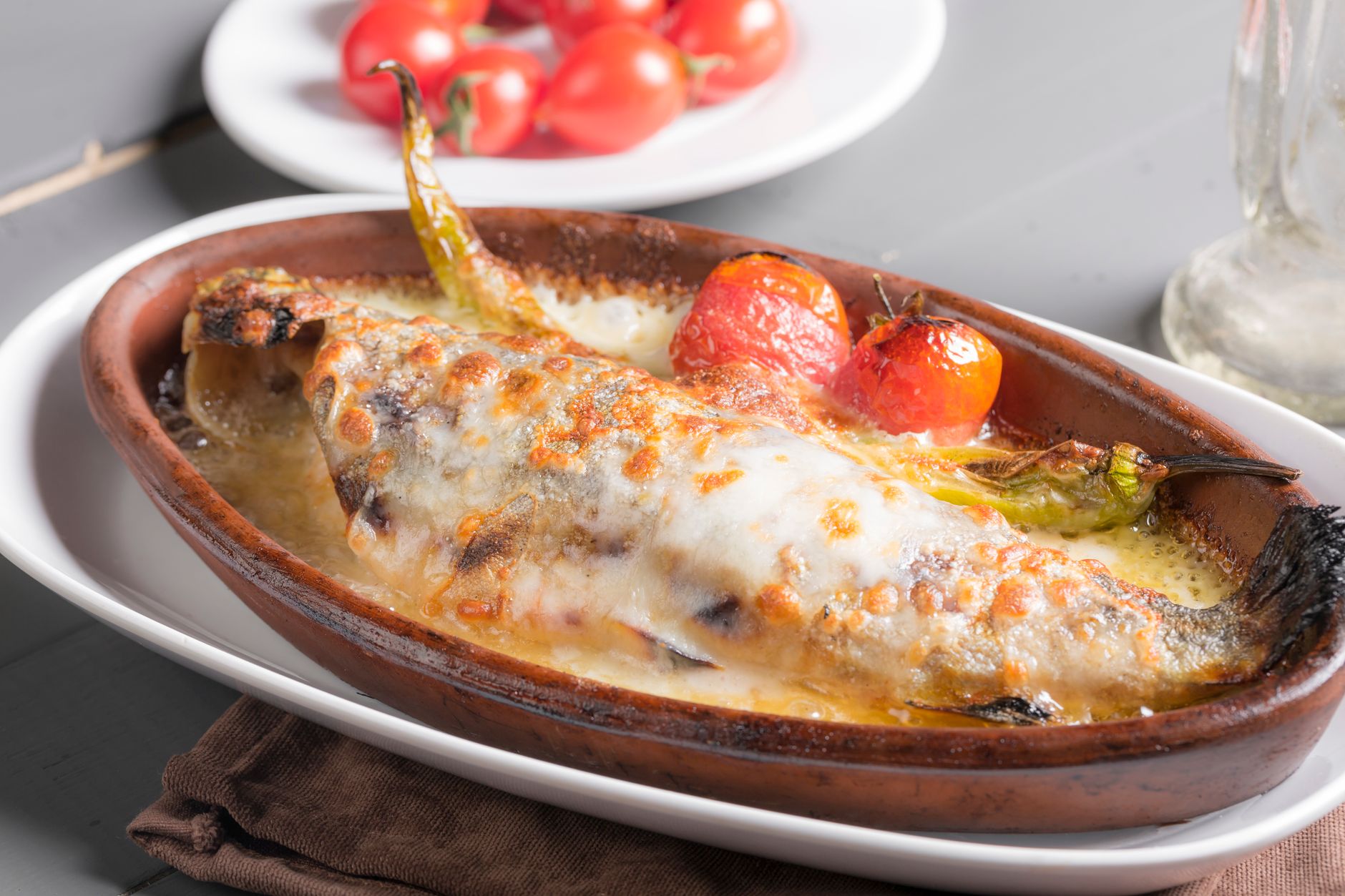
Dishes are elegant yet accessible, designed to highlight the inherent quality of the products. A standout offering is the pan-seared river trout, served with a delicate lemon-caper butter sauce over a bed of creamy sorghum grits from a heritage farm in North Georgia. Another is the roasted chicken, brined for 24 hours in sweet tea and herbs, creating a remarkably moist and flavorful bird accompanied by seasonal roasted vegetables.
The menu changes almost weekly, reflecting the fluctuating availability of produce from partner farms. This commitment to local sourcing extends to the beverage program, which features a curated list of Southern-brewed craft beers, small-batch spirits, and an unexpectedly robust selection of wines from Virginia and Texas. Even the decor reflects the mission, with handcrafted tables built by a local artisan and artwork from Georgia artists adorning the walls.
The ambiance is upscale but not stuffy, what Reed calls "come-as-you-are fine dining." It is a space designed to be welcoming to all, from seasoned food enthusiasts to neighborhood locals. THE GENESIS OF A MISSION For Chef Reed, the path to opening Veridian Table was a personal one.
After a decade in the demanding world of high-end gastronomy, she felt a growing disconnect between her work and her desire to make a tangible social impact. The inspiration for the restaurant’s model came not from a business plan, but from an article she read about the immense challenges faced by formerly incarcerated individuals, particularly the systemic barriers to finding stable employment. "The statistics were staggering," Reed explained in a recent interview.
"You have hundreds of thousands of people returning to society each year who are motivated and want to work, but are shut out of the economy. The restaurant industry is uniquely positioned to offer a solution. We are a meritocracy. If you can handle the heat and complexity of a professional kitchen, your past matters less than your performance in the present."
Securing funding for such an unconventional concept was an uphill battle. Traditional investors were skeptical, wary of the perceived risks associated with the restaurant’s staffing model and the added costs of a comprehensive training program. Reed spent nearly two years refining her business plan and pitching to a wide array of lenders and social impact funds before assembling the necessary capital.
The location, a formerly derelict warehouse near the Westside BeltLine trail, required a gut renovation, further complicating the financial picture. But Reed was resolute, convinced that the model was not only socially responsible but also economically sound. BEYOND THE KITCHEN The core of Veridian Table’s social impact lies in its rigorous training program.
The restaurant partners with three local reentry organizations that refer candidates who have shown a commitment to turning their lives around. These individuals are not simply hired as dishwashers or line cooks; they are enrolled in a paid, 12-week immersive curriculum that covers every facet of the restaurant business. The first four weeks are dedicated to foundational life skills, including financial literacy, conflict resolution, and stress management, taught by certified counselors.
The subsequent eight weeks are focused on intensive culinary and hospitality training. In the kitchen, trainees learn everything from classic knife skills and mother sauces to inventory management and food cost analysis. In the front-of-house, they are schooled in the finer points of service, wine pairing, and guest relations.
This is not charity; it is an investment in human capital. The data on the link between employment and recidivism is clear. According to the U.S. Department of Justice, securing stable employment can reduce the risk of re-offending by as much as 30 percent.
By providing not just a job, but a career path with transferable skills, Veridian Table is actively contributing to public safety and breaking a cycle of poverty and incarceration that plagues many communities. Crucially, the program does not end after 12 weeks. Graduates are offered full-time employment at the restaurant, with a clear pathway for advancement to management roles.
For those who wish to explore other opportunities, Reed leverages her extensive network to help place them in other respected Atlanta kitchens.
The goal is to create a new generation of culinary professionals, equipped for long-term success. THE ECONOMICS OF GOOD WILL Skeptics may question the financial viability of such a high-touch, high-cost model. The training program represents a significant upfront investment, and the wraparound support services add to the restaurant’s overhead.
However, Reed argues that the economic benefits far outweigh the costs, creating a more resilient and profitable business in the long run. The most significant financial advantage is a dramatic reduction in employee turnover. The national average turnover rate in the restaurant industry hovers around 75 percent annually, a figure that costs operators billions of dollars in recruitment, hiring, and training. At Veridian Table, the intense investment in people fosters a deep sense of loyalty and commitment.
The staff is not just working for a paycheck; they are part of a mission they believe in. "When you give someone a genuine second chance, when you invest in them as a whole person, you get a level of dedication you cannot buy," Reed notes. "Our team is motivated, reliable, and incredibly hard-working.
That translates directly to a better guest experience and a healthier bottom line." Furthermore, the restaurant’s social mission has become a powerful marketing tool. In an age of conscious consumerism, diners are increasingly choosing to spend their money at businesses that align with their values.
Surveys from the National Restaurant Association and others have consistently shown that a majority of consumers, particularly in the Millennial and Gen Z demographics, are mor
Sources and methodology
Reported from the public datasets below.
More from the Foodie Pundit Newsroom
- The Successor Is The System: Inside The French Laundry's New Leadership Model
- Barlette Brings A Calculated Taste Of Umbria To Cambridge's Crowded Market
- Scottsdale's Culinary Boom: A New Wave of Ambitious Dining Redefines the City
- New York's Pizza Incursion: Fuhrman's Stakes a Claim in Orlando's Crowded Food Scene
- Daily Dose Opens in Scottsdale as Ingredient Costs and Rents Climb