The Physics of Lamination: Professional Chefs Reveal Secrets Behind Perfect Croissants
Professional pastry chefs reveal the precise thermodynamic rules and fat ratios required to achieve bakery-quality lamination at home.
By Foodie Pundit Newsroom - Published - Section: Desserts Snacks
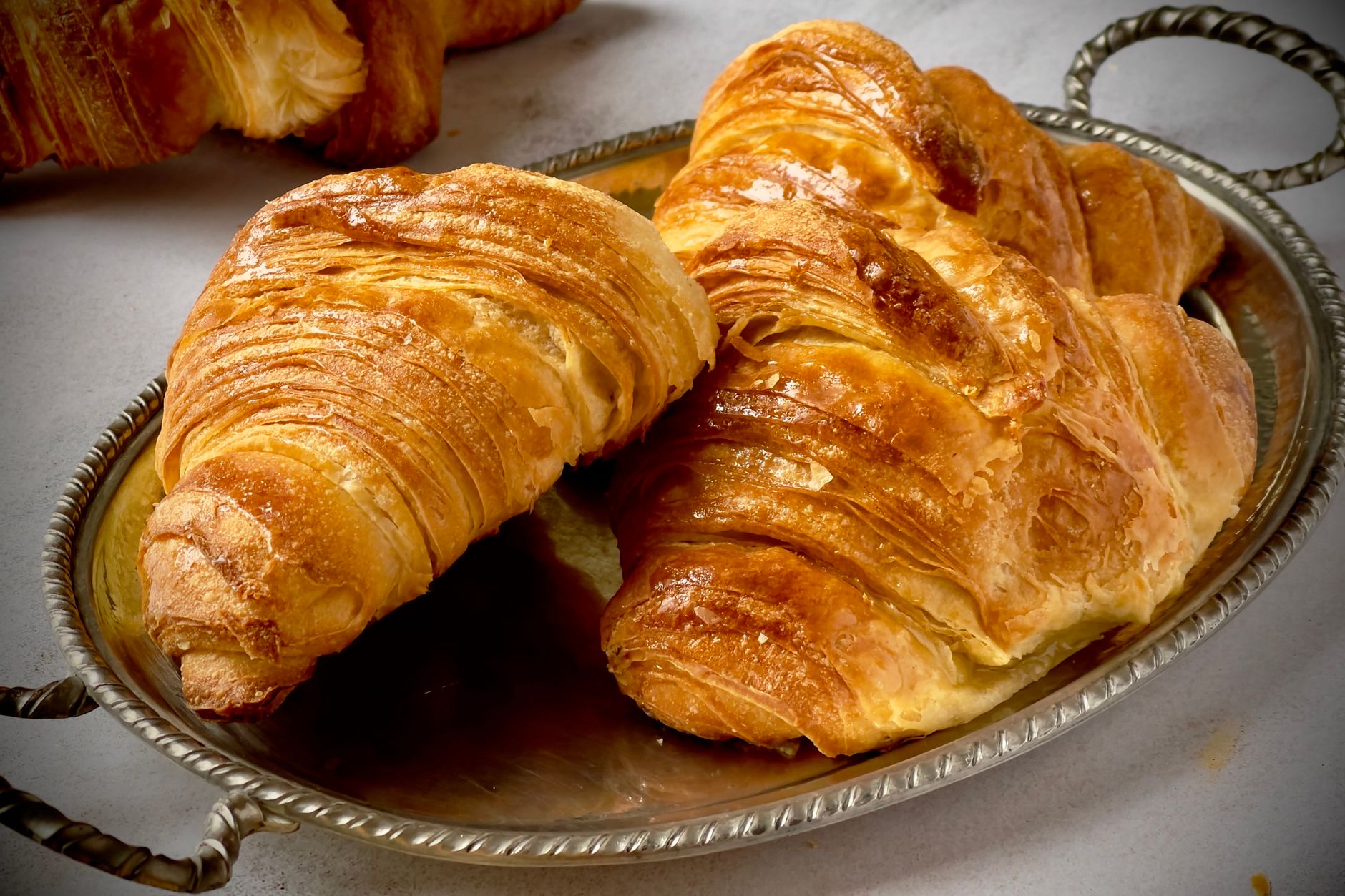
Key points
- European-style butter with at least 82 percent butterfat is essential to prevent layer tearing and grease leakage.
- Maintaining dough and butter temperatures around 60 degrees Fahrenheit prevents fat from melting into the flour matrix.
- Over-folding dough destroys lamination; three single turns yield the ideal structural honeycomb interior.
- Proofing temperatures must remain below 82 degrees Fahrenheit to protect the structural butter layers before baking.
Commercial bakeries have long guarded the precise thermodynamics required to turn flour, water, and butter into a towering crescent of laminated dough. While home cooks often struggle with dense interiors and greasy crusts, the core mechanics of high-end viennoiserie rely on strict scientific principles rather than culinary luck. A recent roundup of expert insights highlighted by the Evening Standard reveals that achieving professional standards at home comes down to temperature control, flour selection, and patience.
Understanding the structural demands of laminated pastries allows home cooks to avoid common pitfalls before the oven is even preheated. The process demands a delicate balance between gluten development and fat stability. When these two elements are managed correctly, the moisture inside the butter expands into steam during baking, pushing the delicate layers of dough apart to create the coveted honeycomb cross-section.
The single most critical variable in croissant production is the temperature of the butter block relative to the dough. Professional pastry chefs emphasize that European-style butter, which features a higher butterfat content of at least 82 percent, is non-negotiable for serious bakers. Standard American butter contains higher water levels, which can create pockets of steam prematurely and cause the dough layers to tear during rolling.
When the butter is too cold, it shatters under the pressure of the rolling pin, creating uneven chunks rather than continuous sheets. Conversely, if the butter becomes too warm, it melts directly into the dough, converting a layered pastry into a standard brioche. Master bakers recommend keeping both the butter block and the envelope of dough around 60 degrees Fahrenheit during the lamination process. If the ambient kitchen temperature rises, short rest periods in the refrigerator become mandatory between every turn.
Flour choice establishes the mechanical strength needed to hold dozens of micro-layers without collapsing. While standard all-purpose flour can work in a pinch, professional recipes frequently favor bread flour or a custom blend that yields a protein content between 11.5 and 12.5 percent. This higher protein level creates a strong gluten network capable of trapping expanding steam without rupturing.
However, over-kneading the initial dough can ruin the final texture by making the layers too elastic and difficult to roll out evenly. Professional bakers advise mixing the dough just until it comes together, followed by a long, cold fermentation in the fridge. This overnight chill serves two purposes; it relaxes the gluten matrix for easier rolling and allows complex, yeasty flavors to develop slowly.
Lamination is the technical term for folding a sheet of butter into yeast-risen dough through a series of precise turns. While novice bakers often assume that more layers automatically yield a better product, over-folding actually smushes the layers together until they fuse into a solid block. The standard industry approach relies on either three single turns or a combination of a double turn and a single turn, yielding anywhere from 27 to 54 distinct layers of fat.
Each fold requires an even distribution of pressure across the entire surface of the dough rectangle. Bakers must use a heavy rolling pin and maintain squared edges at every step to prevent thick pockets of dough at the margins. Using a ruler during the rolling phase ensures uniform thickness, which prevents uneven baking and lopsided rising in the oven.
Once the croissants are shaped, the final proofing stage presents another critical window where temperature control determines success or failure. The ideal proofing environment stays between 75 and 78 degrees Fahrenheit with relatively high humidity. If the ambient temperature exceeds 82 degrees Fahrenheit, the butter inside the raw shapes will begin to melt, ruining the lamination before the pastries ever reach the oven.
A properly proofed croissant should double in size, display visible lamination along its curved sides, and jiggle like gelatin when the baking sheet is gently shaken. In the oven, a high initial burst of heat around 400 degrees Fahrenheit converts the water in the butter layers into steam instantly. Lowering the temperature slightly halfway through the bake allows the exterior to achieve a deep mahogany brown while ensuring the inner core cooks through completely.
For retail consumers and aspiring home bakers, demystifying professional pastry techniques transforms an intimidating luxury item into an achievable kitchen project. Understanding the economic and technical factors behind artisanal pricing helps consumers appreciate why high-end bakeries charge premium rates for handmade viennoiserie. A single croissant reflects hours of precise climate control, high-grade ingredients, and skilled manual labor.
Applying these industry guidelines at home reduces food waste caused by failed batches and greasy, dense pastries. By investing in high-fat European butter, controlling kitchen temperatures, and exercising patience during the multi-day lamination process, home cooks can replicate the texture and flavor profile of premier urban bakeries without specialized commercial equipment.
More from the Foodie Pundit Newsroom
- Miso Chocolate Tarts Mark the Next Evolution of Sweet and Savory Pastry Design
- Summer Dessert Trends Focus on Visual Flair, Tropical Flavors, and Frozen Formats
- Raleigh Downtown Core Embraces All Day Hybrid Dining Model
- Fake Fish Is Ready for Prime Time as Restaurant Seafood Prices Soar
- Inside the Supply and Demand Mechanics Driving New York City's Most Scarcity Driven Dining Hotspots