Viral Two-Ingredient Desserts Highlight Changing Consumer Demand for Quick Kitchen Hacks
A minimalist dessert trend sweeping short-form video platforms highlights a broader consumer pivot toward low-cost, ultra-convenient home cooking hacks.
By Foodie Pundit Newsroom - Published - Section: Desserts Snacks
Key points
- Social media users are increasingly favoring recipes that feature just two ingredients to reduce prep time and grocery costs.
- The trend relies on pre-processed base items that already contain stabilized fats, emulsifiers, and sweeteners to bypass traditional baking steps.
- Packaged goods manufacturers are capitalizing on spontaneous viral demand by promoting their own ultra-simple product pairings.
- The popularity of these minimalist dishes reflects economic pressures as consumers seek affordable, low-risk options for home entertainment.
The social media ecosystem has long served as an incubator for culinary trends, but recent months have highlighted a sharp migration toward minimalist food preparation. As inflation continues to squeeze household grocery budgets and consumer interest in complex multi-step cooking wanes, a two-ingredient dessert concept has captured widespread attention across short-form video platforms. The trend, widely documented across viral culinary feeds, relies on pairing a single processed base item with a versatile dairy or plant-based modifier to produce a dish that mimics traditional baked goods or chilled custards.
According to reporting by Today.com, the phenomenon reflects a broader shift in consumer behavior away from elaborate baking projects toward instant gratification recipes that require zero technical expertise. Industry analysts point out that while viral food trends often rely on exotic ingredients or visually dramatic presentation techniques, the current wave of popular recipes prioritizes extreme accessibility. By limiting the ingredient count to just two items, creators remove traditional barriers to entry such as specialized equipment, precise measurement tools, and lengthy prep times.
THE ANATOMY OF A TWO-INGREDIENT VIRAL HIT
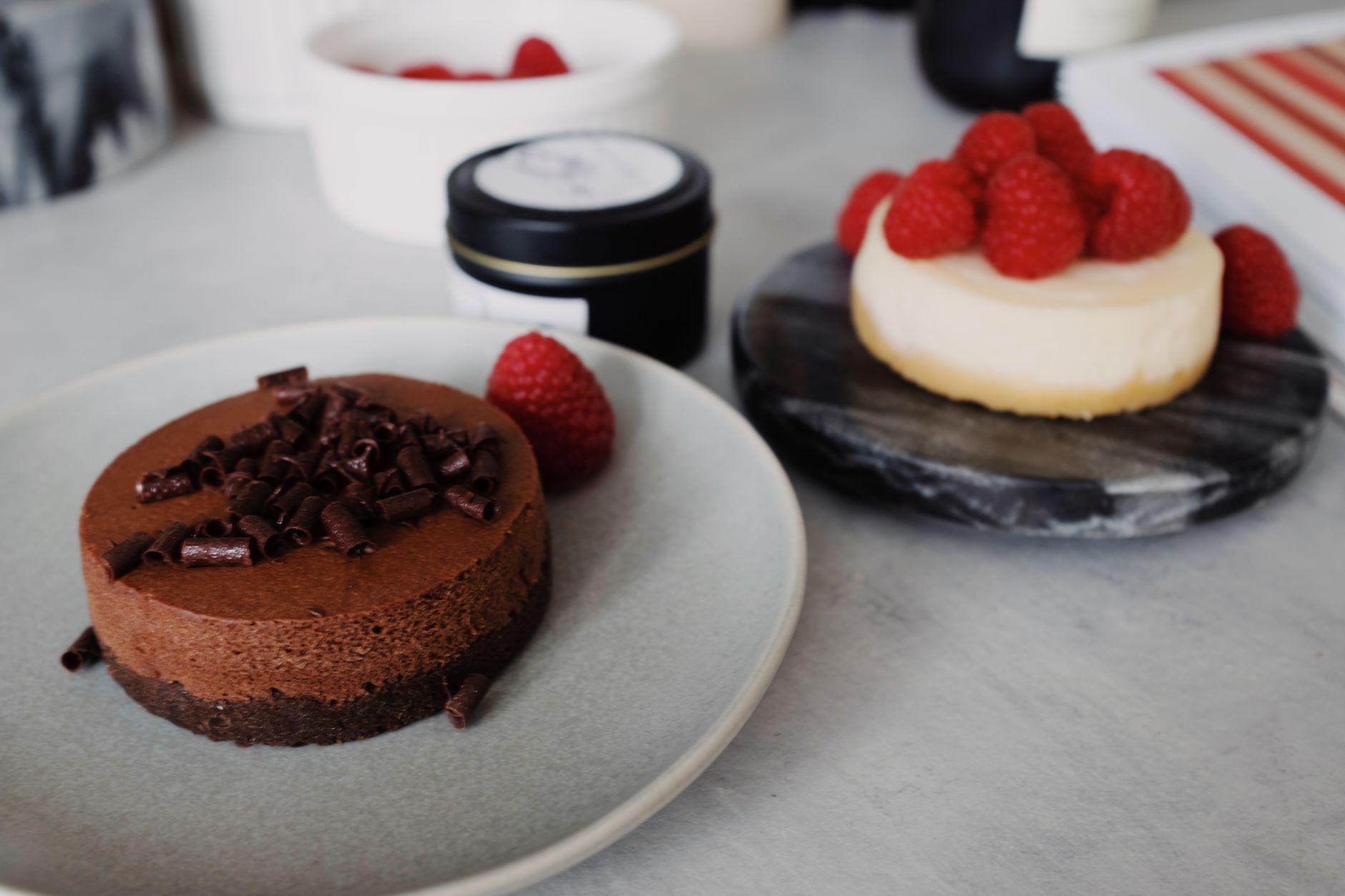
At its core, the viral preparation leverages existing food science formulations to skip the traditional steps of emulsification and leavening. Many of the featured variations rely on pre-packaged ice cream combined with self-rising flour to create quick bread, or melted chocolate combined with silken tofu or Greek yogurt to yield a dense mousse. Because commercial food manufacturers have already stabilized these base products with emulsifiers, fats, and sweeteners, home cooks are essentially repurposing engineered ingredients to achieve complex textures without adding sugar, eggs, or butter separately.
This mechanical shortcut is precisely what makes the concept so appealing to casual viewers. Content creators can demonstrate the entire process within a fifteen-second video clip, showing a seamless transition from raw ingredients to finished product. The visual narrative is straightforward and reproducible, which encourages viewers to immediately test the method in their own kitchens and share their results, further fueling the algorithmic reach of the trend.
ECONOMIC DRIVERS BEHIND ULTRA-SIMPLE RECIPES
The economic context surrounding household food procurement plays a critical role in the rapid adoption of low-ingredient recipes. Food away from home prices have remained elevated, prompting consumers to seek low-cost entertainment and comfort within their own residences. At the same time, retail grocery prices have forced shoppers to become more strategic, reducing their willingness to purchase specialized ingredients that might languish in a pantry after a single use.
A two-ingredient recipe minimizes financial risk for the consumer. If a home cook only needs to purchase two staple items, the total cost of production remains significantly lower than that of traditional pastry recipes, which often demand multiple extracts, leavening agents, and premium dairy products. Furthermore, the likelihood of food waste is substantially reduced, as both base components are typically sold in standard consumer portions that can be consumed separately if the recipe fails to meet expectations.
RETAIL IMPACT AND PACKAGED GOODS STRATEGY
For consumer packaged goods manufacturers, the organic surge of two-ingredient recipes represents a valuable marketing opportunity that requires zero direct advertising spend. When a specific brand of chocolate chips, yogurt, or frozen dessert becomes the default standard for a viral recipe, retail sales for those specific SKUs can experience sudden, unpredictable demand spikes. Regional distributors must remain vigilant, monitoring digital media trends to adjust inventory allocations before localized stockouts occur.
Major food conglomerates have increasingly tailored their digital communications to capitalize on these grassroots culinary hacks. Rather than promoting traditional recipes that require an extensive pantry inventory, brand marketing teams are now publishing their own two-ingredient combinations on social channels. This strategy allows legacy brands to remain relevant with younger demographics who view traditional cooking manuals as overly dense, time-consuming, or economically impractical.
THE EVOLUTION OF SHORT-FORM CULINARY CONTENT
The popularity of two-ingredient desserts also signals a structural change in how food media is produced and consumed. Historically, food television and editorial publishing emphasized chef expertise, technique refinement, and cultural heritage. Contemporary social platforms, however, reward utility, extreme speed, and novelty. The audience is rarely looking to master classical culinary arts; instead, they seek immediate, practical hacks that deliver maximum sensory return for minimal effort.
This media environment creates a feedback loop where simplicity is algorithmically prioritized. As platforms favor videos with high completion rates, creators streamline their content to keep viewers engaged, stripping away extraneous steps and ingredients. The resulting formats eliminate traditional culinary storytelling in favor of direct, actionable instruction that fits comfortably within the constraints of modern digital attention spans.
For the average consumer, the rise of two-ingredient recipes provides an approachable entry point into home preparation without demanding a significant investment in time or money. These simplified techniques offer an efficient way to satisfy sweet cravings using items already present in many household pantries, making home cooking feel less daunting for beginners.
However, shoppers should remain mindful of nutrition and value when replicating viral food hacks. While two-ingredient recipes offer convenience, they frequently rely on pre-processed convenience foods that may carry higher sodium, refined sugar, or preservative levels than traditional scratch cooking. Evaluating the unit cost of pre-made base items versus staple ingredients ensures that simple solutions genuinely align with both health goals and household budget targets.
Sources and methodology
Reported from the public datasets below.
More from the Foodie Pundit Newsroom
- Summer Dessert Economics Drive Bakery Menu Redesigns Across Industry
- General Mills Posts Strong Quarterly Growth Driven by Cereal and Snack Category Surge
- Rising Input Costs and Lease Pressures Force Regional Bakery Chains to Rapidly Scale Back Retail Footprints
- Summer Dessert Trends Focus on Global Flavors and Frozen Innovation
- General Mills Reports Solid Quarterly Growth Powered By Cereal and Snack Category Strength