Why Fast Casual Restaurants Are Dominating The Dining Industry Landscape
Fast casual concepts are capturing market share by bridging the gap between value and quality as dining habits evolve.
By Foodie Pundit Newsroom - Published - Section: Restaurants
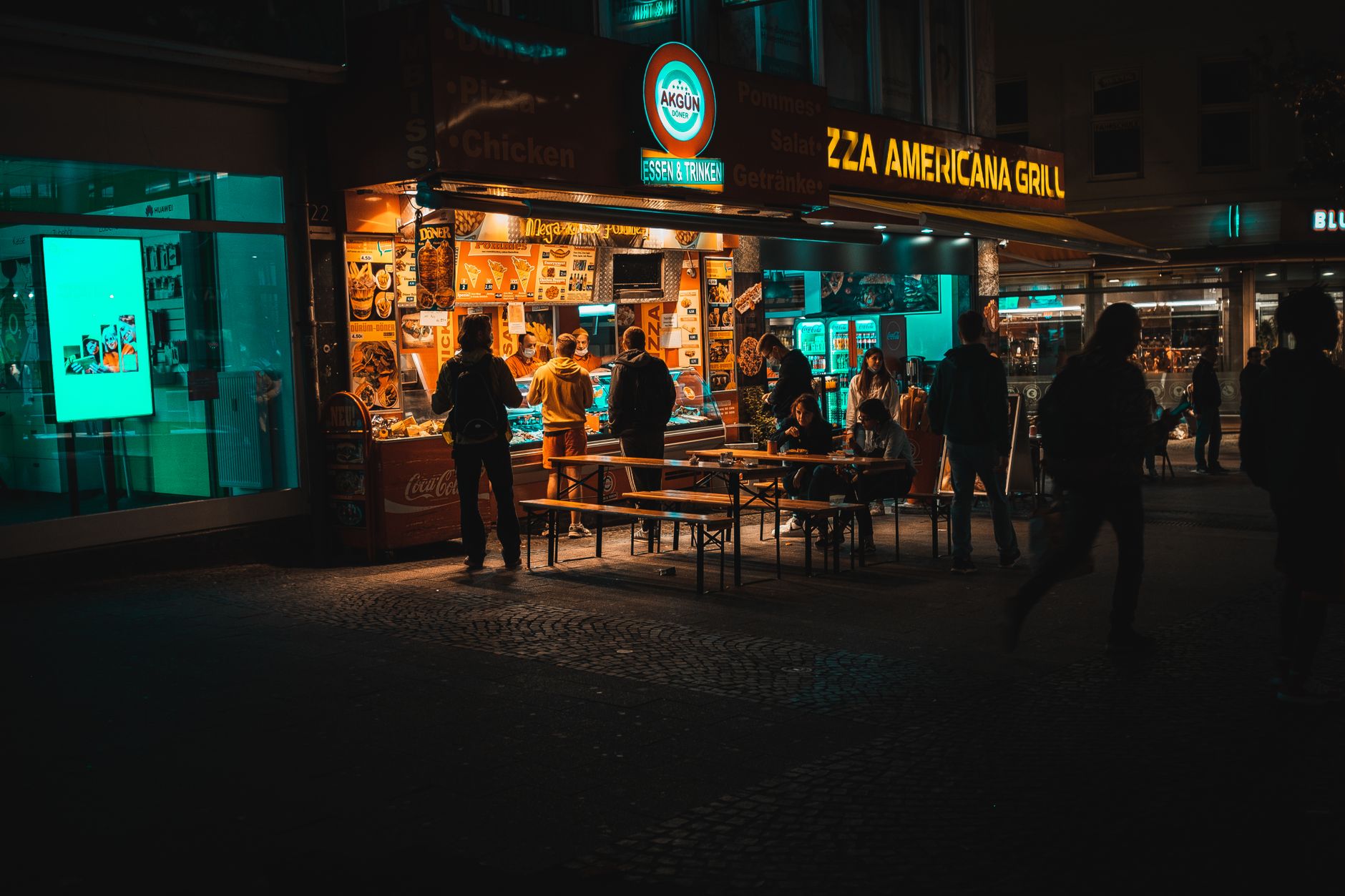
Key points
- Fast casual concepts are capturing guests trading down from full-service and up from traditional quick-service.
- Narrowing price gaps between fast food and fast casual make fresh, customizable meals a stronger value proposition.
- Streamlined operations and lean physical footprints allow fast casual brands to expand quickly and maintain profit margins.
- Digital loyalty programs and off-premises pickup infrastructure are driving high repeat customer traffic.
The restaurant industry is navigating a period of profound rebalancing, but one segment continues to outpace the rest of the market. Fast casual operators, long positioned between traditional quick-service chains and full-service casual dining, are capturing a growing share of consumer spend. Recent economic analysis and market reporting from Nation's Restaurant News highlight how these concepts are expanding their footprint even as broader dining traffic remains unpredictable.
Consumers are increasingly scrutinizing their discretionary spending, but they are not cutting out dining away from home entirely. Instead, they are trading down from costly sit-down establishments while simultaneously trading up from basic fast-food outlets. Fast casual brands sit precisely in the sweet spot of this consumer behavior shift, delivering higher-quality ingredients and modern ambiance without the burden of tipping and elevated menu pricing.
For years, traditional quick-service restaurants dominated on pure price convenience. Recent inflationary pressures, however, have significantly compressed the price gap between legacy fast-food value meals and customizable fast casual entrees. When a standard burger, fries, and drink combination at a drive-thru approaches fifteen dollars, consumers begin looking for alternatives that offer superior perceived quality for a comparable outlay.
Fast casual concepts excel at delivering this perceived value through transparent assembly, fresh preparation, and elevated dietary customization. Customers can see their meals being built in real time, which reinforces the perception of freshness and control. This operational model also allows guests to tailor their orders precisely to personal health preferences, whether they are seeking low-carb, vegan, or high-protein options, without paying exorbitant upcharges.
Behind the counter, the fast casual business model offers compelling structural advantages for franchisees and corporate operators alike. By eliminating formal table service, these establishments drastically reduce front-of-house labor expenses. Staff members can focus on food prep, counter service, and order fulfillment rather than managing lengthy table rotations and server sections.
Additionally, fast casual formats were designed from the ground up to integrate digital ordering, mobile app loyalty programs, and streamlined pickup lanes. According to industry intelligence from Nation's Restaurant News, concepts that invested early in dedicated off-premises pickup shelves and dual-line kitchens are reaping the rewards. These design choices keep throughput high during peak lunch and dinner rushes while maintaining a lean operational footprint.
Commercial real estate dynamics have also favored the aggressive expansion of fast casual chains. Landlords in suburban strip centers, urban mixed-use developments, and lifestyle centers actively seek out these brands as anchor tenants. Their strong digital sales and consistent foot traffic make them attractive, stable long-term lease partners compared to traditional retail shops.
Furthermore, fast casual operators are proving remarkably flexible with their physical footprint requirements. Unlike full-service casual dining chains that require sprawling dining rooms and massive commercial kitchens, fast casual concepts can thrive in units ranging from fifteen hundred to twenty-five hundred square feet. Some brands are even experimenting with drive-thru-only or pick-up-only locations, reducing capital expenditure per site and accelerating store opening timelines.
Younger demographics, particularly Millennials and Generation Z, demonstrate a strong affinity for fast casual brand ethos and convenience options. These consumer groups prioritize speed and quality, but they also place a high value on corporate sustainability, ethical ingredient sourcing, and engaging digital experiences. Fast casual marketing strategies frequently highlight these values, building deep brand affinity that traditional quick-service chains often struggle to replicate.
Loyalty apps play a crucial role in cementing this consumer retention. By offering personalized rewards, targeted promotions, and seamless reordering, fast casual chains capture valuable first-party data. Operators can use this intelligence to refine menu offerings, optimize promotional pricing, and drive frequency among their most profitable customer segments.
While full-service restaurants grapple with rising labor wages, soaring food cost inflation, and consumer resistance to higher menu prices, fast casual brands are demonstrating remarkable resilience. Their simplified menus reduce culinary complexity and ingredient waste, allowing purchasing managers to lock in better supply chain contract pricing.
This agility allows operators to absorb economic shocks more effectively than their competitors. Even during periods of broader economic tightening, consumers view a fast casual lunch or weeknight dinner as an affordable luxury rather than an extravagant expense. This psychological positioning protects guest counts during downturns and fuels rapid sales recovery when economic conditions improve.
For the everyday diner, the ascent of fast casual dining means better access to high-quality, customized food at predictable price points. You no longer have to choose between a slow, expensive sit-down meal and a highly processed fast-food order. The market is giving you more choices near your home and workplace that fit busy schedules without compromising on fresh ingredients.
For investors, job seekers, and industry professionals, fast casual represents the primary growth engine in food service today. Expect to see more regional brands expanding into national markets, accompanied by continuous technological innovations in ordering and drive-thru service. As these chains continue to capture market share, they will set the baseline standards for convenience, menu transparency, and restaurant efficiency across the entire food landscape.
Sources and methodology
Reported from the public datasets below.
More from the Foodie Pundit Newsroom
- How Automated Tech Is Redefining Restaurant Operations and the Future of Food Service Jobs
- Fast Casual Sector Leads Restaurant Industry Growth as Consumer Habits Shift
- Glasgow Sushi Scene Expands as High-End Omakase Concepts Gain Regional Traction
- Glasgow Welcomes Dedicated Omakase Venue as High-End Japanese Dining Gains Momentum
- Fast Casual Concepts Lead Restaurant Industry Growth Through Quality and Value