Watermelon and Mustard Pairing Demonstrates How Social Media Trends Reshape Grocery Demand
A viral social media trend combining fresh fruit and tangy condiment highlights the growing power of digital networks in shaping retail food sales and consumer
By Foodie Pundit Newsroom - Published - Updated - Section: Grocery Cpg
Key points
- Social media platforms are increasingly driving sudden surges in retail demand for unexpected food combinations.
- The science of flavor contrast explains why sweet fruit and acidic condiments can create an appealing taste profile.
- Grocery retailers and food brands use real time digital monitoring to create targeted product displays and boost sales.
- Low cost ingredients make viral food experiments highly accessible to mainstream consumers nationwide.
VIRAL TASTE TRENDS DRIVE RETAIL VOLATILITY
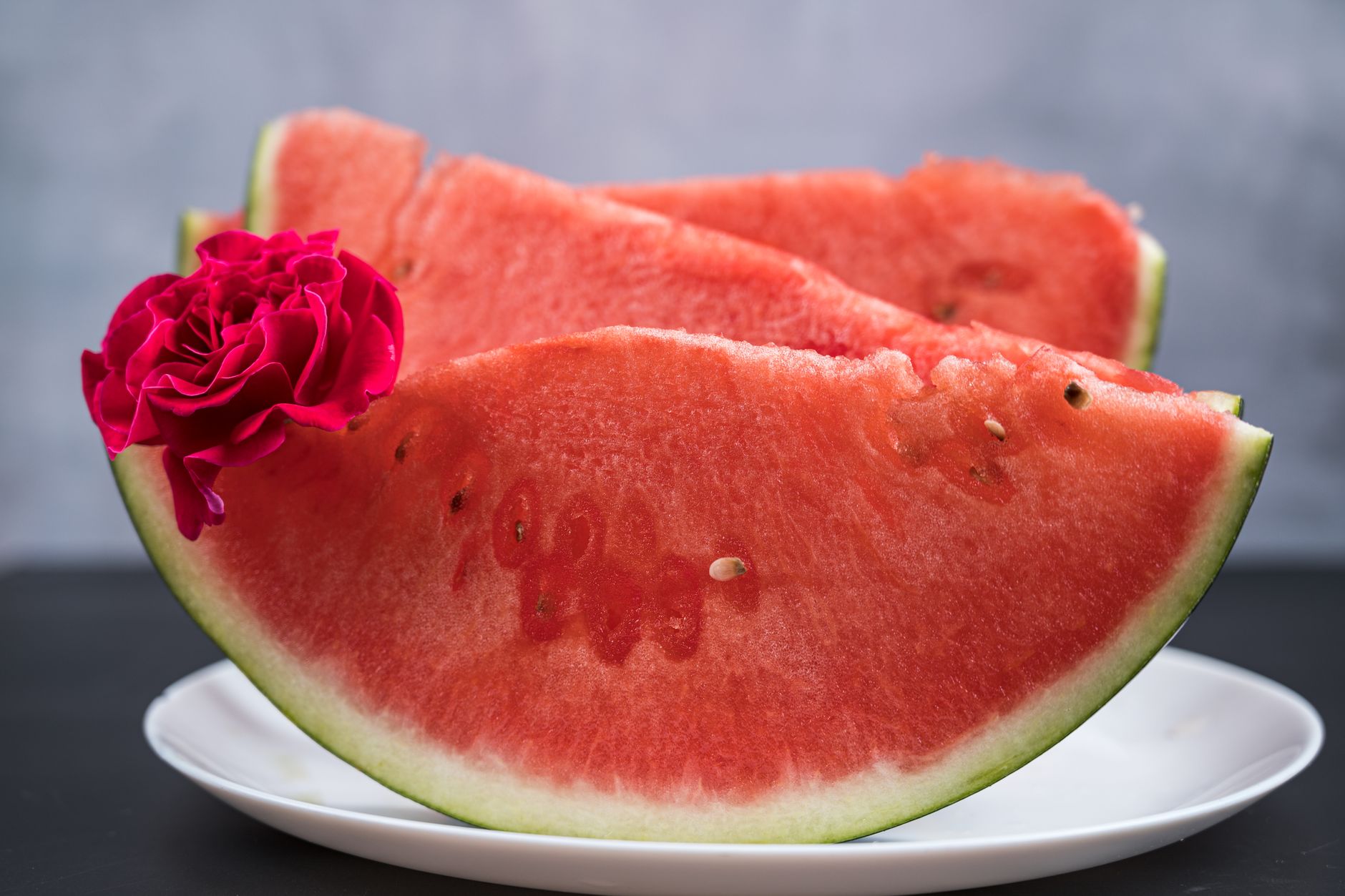
Social media platforms have transformed from mere entertainment hubs into powerful catalysts for food industry supply chains. When a novel flavor pairing captures public imagination on video sharing networks, retail grocery stores often experience sudden spikes in demand for previously unrelated ingredients. The recent surge in popularity surrounding yellow mustard paired with fresh sliced watermelon represents a textbook case of viral consumer behavior impacting commodity markets and packaged food distribution.
According to reporting by TODAY, content creators across major video platforms began filming their reactions to drizzling common yellow mustard over fresh watermelon slices, triggering millions of user views and widespread mimicry. The trend follows a long line of unconventional flavor experiments designed to shock audiences while tapping into legitimate culinary science regarding contrasting flavor profiles. For food retailers and agricultural suppliers, these rapid shifts in consumer purchasing present both immediate inventory challenges and unique marketing opportunities.
THE SCIENCE BEHIND UNEXPECTED FLAVOR PAIRINGS
While the combination of a sweet, hydrating summer fruit and a pungent, vinegar heavy condiment seems jarring on the surface, food chemists note that the pairing relies on established sensory principles. Yellow mustard provides high acidity and sodium content, which can actually heighten the human perception of sweetness in fruits like watermelon. This contrast mimics classic savory sweet pairings long celebrated in traditional cuisines around the globe.
Food scientists explain that salt and acid suppress biterness while enhancing the naturally occurring sugars within fruit tissues. Watermelon contains high concentrations of water and fructose, making it an ideal canvas for sharp, astringent condiments that balance its gentle flavor profile. The viral trend essentially democratizes high end culinary concepts, allowing everyday consumers to experiment with flavor contrast using accessible pantry staples.
SUPPLY CHAIN IMPLICATIONS FOR GROCERS AND PRODUCERS
For supermarket chains and produce distributors, unexpected internet trends can disrupt standard forecasting models. Watermelon sales traditionally follow predictable seasonal curves tied to weather patterns, holidays, and regional harvest schedules. When a viral trend artificially inflates demand during non peak periods or creates localized panics, retailers must adjust logistics strategies to avoid stockouts.
Condiment manufacturers also monitor these social media developments closely to capitalized on transient consumer excitement. A sudden uptick in yellow mustard sales during mid summer creates opportunities for cross promotional placement in grocery aisles. Smart merchandisers frequently construct endcap displays that place bottled mustard directly adjacent to pre cut watermelon containers, maximizing impulse purchases driven by online curiosity.
The economics of viral food trends depend heavily on low barriers to entry for everyday consumers. Unlike expensive dining trends or specialized cooking equipment, a watermelon and a bottle of mustard cost very little and are readily available at virtually any convenience store or supermarket. This affordability allows millions of households to participate in the cultural moment and upload their own reaction videos within hours of discovering the concept.
Digital marketing experts point out that major food brands increasingly rely on user generated content rather than traditional television or print advertising to drive engagement. By monitoring trending hashtags, condiment brands can join online conversations organically without spending millions on targeted ad campaigns. The resulting earned media value often translates directly into retail sales volume across regional markets.
CRITICAL EVALUATION AND TASTE TEST RESULTS
Despite the overwhelming volume of online excitement, consumer reactions to the watermelon and mustard pairing remain deeply divided. Testers from the TODAY team and independent culinary reviewers report that while the initial bite provides a surprising hit of acidity, the long term appeal of the dish remains limited for traditional palates. Many participants describe the taste as an interesting novelty rather than a permanent addition to their summer meal routines.
Culinary professionals note that while contrast is vital in recipe development, balance remains the ultimate goal of good food preparation. Excess mustard can easily overwhelm the subtle floral notes of the watermelon, leaving consumers with a dominant taste of vinegar and turmeric. Consequently, while millions of households may attempt the experiment once for entertainment value, repeat purchase rates driven specifically by this pairing are expected to taper off rapidly.
For the average consumer, viral food trends offer an entertaining and inexpensive way to explore sensory science in the comfort of your own kitchen. You do not need expensive ingredients or professional culinary training to experiment with flavor contrast and expand your palate. Trying simple, accessible combinations can help you understand how acid, salt, and sugar interact on your taste buds.
From an economic perspective, shoppers should expect grocery stores to continue leveraging digital trends through strategic product placement and joint promotions. When you see unusual ingredient pairings grouped together in supermarket aisles, it is often the direct result of real time social media monitoring by retail analysts. Staying informed about these marketing tactics allows you to make conscious purchasing decisions rather than giving in to impulse buys driven by transient online hype.
Sources and methodology
Reported from the public datasets below.
- Federal Reserve Economic Data (FRED) - Food services and drinking places series
- U.S. Census Bureau - Monthly Retail Trade, food services
- Federal Reserve Economic Data (FRED) - Food services and drinking places series
- U.S. Census Bureau - Monthly Retail Trade, food services
- TODAY - Watermelon Mustard Combo Breaks the Internet, Is It Worth the Hype? - Aug 2026
More from the Foodie Pundit Newsroom
- Is A Swanky New Supper Club About To Hit Westshore?
- Global Snack Market Sets Up For Unprecedented Expansion As Eating Habits Shift
- New York Michelin Guide Unveils Latest Star Selections as Culinary Landscape Shifts
- EPA Wins Round One in High-Stakes Legal Battle Over Drinking Water Fluoride
- Zaza Is Planting Its Cuban Comfort Flag In Kissimmee